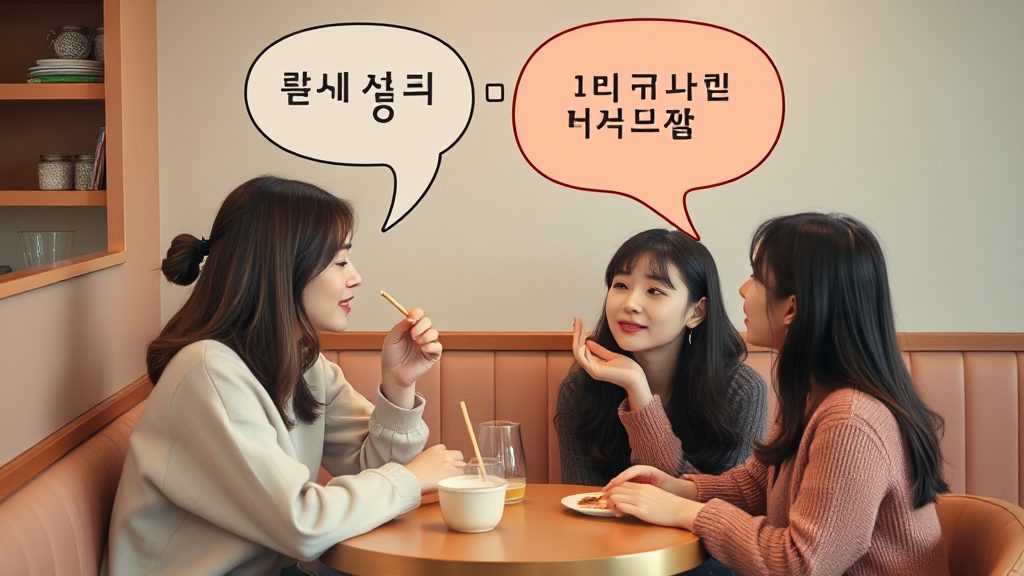
If you’ve ever wanted to express your feelings to someone special in Korean, you’re probably wondering how to say I love you in Korean. The beautiful Korean language offers multiple ways to express love, affection, and deep emotional connection—each suited to different relationships, formality levels, and contexts. Whether you’re communicating with a romantic partner, expressing love to family members, or simply want to understand what you hear in K-dramas, mastering these expressions will help you navigate the nuances of Korean romantic culture with confidence and authenticity.
Korean love expressions go far beyond a simple translation of “I love you.” The language reflects Confucian values of respect, hierarchy, and the depth of relationships, which means the way you express love changes dramatically depending on who you’re speaking to and how formal the situation is. Let’s explore the most common and meaningful ways to share your heart in Korean.
Saranghae: The Classic “I Love You” in Korean
The most widely recognized way how to say I love you in Korean is “사랑해” (saranghae). This is the informal, casual version you’ll hear constantly in Korean dramas, K-pop songs, and between couples who are comfortable with each other. The saranghae meaning is straightforward—it’s a direct declaration of romantic love.
You should use saranghae only with people you’re extremely close to: romantic partners, spouses, or occasionally very close family members like your children. Using this form with someone you’ve just started dating or with anyone outside your intimate circle would be inappropriate and could make the other person uncomfortable.
The word comes from the verb 사랑하다 (saranghada), which means “to love.” When you drop the “da” ending and add “yo,” you get the polite form, but when you simply end with “hae,” you’re using the intimate, casual speech level called banmal. This is why saranghae carries such weight—it’s reserved for relationships where formality has been completely dropped.
In practice, couples often exchange this phrase daily. You might say it when leaving for work in the morning, before hanging up the phone, or during intimate moments. It’s also common to add emphasis by saying “정말 사랑해” (jeongmal saranghae), which means “I really love you,” or “너무 사랑해” (neomu saranghae), meaning “I love you so much.”
Saranghaeyo: The Polite Expression of Love
When you need a slightly more formal or respectful way to express love, “사랑해요” (saranghaeyo) is the appropriate choice. This version uses the polite speech level (jondaetmal) and is suitable for romantic relationships that are still developing, when speaking to someone slightly older, or in situations where you want to show respect while still expressing romantic feelings.
Many couples actually use saranghaeyo during the early stages of their relationship before transitioning to the more casual saranghae. This progression mirrors the overall development of comfort and intimacy in Korean relationships. You might use saranghaeyo when meeting your partner’s parents for the first time and wanting to express how much you care about their child, or when writing a heartfelt letter or message where a touch of formality feels more sincere.
The “yo” ending is a crucial marker of politeness in Korean. It maintains warmth and sincerity while showing that you respect social boundaries. For those interested in deepening their understanding of Korean language nuances like this, exploring Korean learning resources can help you navigate these subtle but important distinctions.
Interestingly, some couples maintain the saranghaeyo form throughout their entire relationship, especially if there’s an age gap or if they prefer to keep a certain level of mutual respect in their communication style. There’s no single “right” way—Korean couples negotiate their own communication patterns based on their unique dynamics.
What Is Jeong and How Does It Express Love?
“정” (jeong) represents a uniquely Korean concept of affection, attachment, and emotional bonding that develops over time. While not a direct translation of “I love you,” jeong describes the deep connection that forms between people who share experiences, time, and emotional investment. It’s the warm feeling you have toward someone you’ve known for years, even if you’re not romantically involved.
Jeong is particularly important in understanding Korean love phrases because it represents a type of love that’s less about passionate declarations and more about demonstrated commitment and loyalty over time. Koreans might say “정이 들었어” (jeong-i deureosseo), meaning “I’ve developed jeong for you,” which indicates that someone has become irreplaceable in their life through shared experiences and emotional intimacy.
This concept explains why many older Korean couples might not frequently say “saranghae” but instead demonstrate their love through actions, care, and the deep jeong they’ve built over decades. Parents often describe their feelings for children using jeong, neighbors who’ve lived side-by-side for years have jeong, and even relationships with places or objects can involve jeong.
Understanding jeong gives you insight into Korean emotional culture beyond simple vocabulary. It’s the reason why Koreans often maintain friendships for life, why breaking up can feel particularly painful (you’re not just losing love, you’re losing accumulated jeong), and why Korean culture places such emphasis on loyalty and long-term relationships. When someone says they have jeong for you, they’re saying you’ve become part of their emotional landscape in a way that can’t easily be undone.
Korean Romantic Expressions Beyond “I Love You”
Korean offers numerous Korean romantic expressions that let you express affection, attraction, and love without using saranghae directly. These alternatives can be perfect for early-stage relationships, expressing different dimensions of love, or simply adding variety to your romantic vocabulary.
One common expression is “좋아해요” (joahaeyo) or “좋아해” (joahae), which means “I like you.” This might sound less intense than “I love you,” but in Korean dating culture, confessing “joahae” is actually a significant step—it’s often how people officially express romantic interest and ask someone to start a relationship. Think of it as “I have romantic feelings for you” rather than casual liking.
Another beautiful expression is “보고 싶어” (bogo sipeo), meaning “I miss you” or literally “I want to see you.” Korean couples use this phrase constantly, often multiple times a day when apart. It expresses longing and the desire to be together, making it a tender way to show someone they’re on your mind.
For expressing that someone is precious to you, try “소중해” (sojunghae), which means “you’re precious” or “you’re important to me.” This works beautifully in relationships where you want to express value and appreciation without the intensity of “saranghae.”
The phrase “사랑스러워” (sarangseurowo) means “you’re lovable” or “you’re adorable” and carries a sweet, affectionate tone. It’s perfect for those moments when your partner does something cute or endearing. Similarly, “귀여워” (gwiyowo) means “you’re cute” and is commonly used as a term of endearment.
Korean couples also use “우리” (uri), meaning “our” or “us,” in creative ways that express togetherness. They might say “우리 남편” (uri nampyeon) for “my/our husband” or “우리 집” (uri jip) for “my/our house,” even when speaking to others. This inclusive language reflects the Korean cultural value of seeing couples and families as unified units rather than separate individuals.
How Do You Say I Love You in Korean to Family Members?
While saranghae is primarily associated with romantic love, Koreans do express love to family members, though the frequency and style differ from Western cultures. Parents might say “사랑해” to young children regularly, but as children grow older, love is often expressed more through actions than words—preparing favorite foods, ensuring education and success, and making sacrifices for the family.
When Koreans do verbally express love to family, they often use saranghae or saranghaeyo depending on age and hierarchy. Adult children typically use saranghaeyo when speaking to parents to maintain respect, while parents might use either form with their children. The polite form shows that even within intimate family bonds, Korean culture maintains awareness of respect and hierarchy.
It’s also common to hear “아끼다” (kkida) in family contexts, which means to care for, cherish, or hold dear. While not exactly “I love you,” saying “아껴” (akyeo) expresses that you treasure someone and want to protect and care for them. This verb captures the protective, nurturing aspect of familial love particularly well.
Korean culture, much like other aspects of Korean life that blend tradition with modernity, is evolving in how families express emotions. Younger generations are becoming more verbally expressive with family members, influenced by global culture and changing attitudes about emotional communication. However, the foundation remains: love is still primarily demonstrated through dedication, sacrifice, and care rather than frequent verbal declarations.
Cultural Context: When and How Koreans Say “I Love You”
Understanding when Koreans actually use these love expressions is just as important as knowing the words themselves. Korean culture tends to be more reserved about verbal expressions of love compared to Western cultures, particularly in public settings. You’ll rarely see Korean couples saying “saranghae” in front of others, especially older generations or in formal environments.
In romantic relationships, the first “saranghae” is a milestone moment. Unlike casual dating culture where “I love you” might be said relatively early, Korean couples often date for months before exchanging these words. The confession of “joahae” typically comes first, establishing the relationship, and “saranghae” follows once the relationship has deepened significantly.
Many Korean couples also prefer to express love through actions rather than words—preparing meals, remembering small preferences, giving practical gifts, or making sacrifices for each other’s comfort and success. This doesn’t mean the feelings are less intense; rather, it reflects a cultural preference for demonstrating love through tangible care.
Physical expressions of affection also vary by generation and setting. While younger couples are increasingly comfortable with public displays of affection influenced by global dating culture, traditional Korean culture favored privacy in romantic matters. You’ll still notice that Korean couples might be more reserved in public compared to private settings, and verbal declarations of love follow similar patterns.
Text messaging and social media have created new spaces for Korean romantic expression. Couples frequently send “사랑해,” heart emojis, and affectionate messages throughout the day—something that might feel excessive in face-to-face conversation but is perfectly normal in digital communication. This has actually increased the frequency of verbal love expressions among Korean couples, particularly younger ones.
Special occasions like 100-day anniversaries (a significant milestone in Korean dating culture), birthdays, and couple holidays like Pepero Day or White Day often involve more elaborate expressions of love, including heartfelt letters, gifts, and verbal declarations that might otherwise feel too intense for everyday conversation.
Putting It All Together: Expressing Love in Korean Authentically
Learning how to say I love you in Korean opens a window into Korean emotional culture and relationship dynamics. Whether you choose the casual intimacy of saranghae, the respectful warmth of saranghaeyo, the deep connection implied by jeong, or any of the many alternative romantic expressions, each phrase carries specific cultural weight and contextual appropriateness.
The key to using these expressions authentically is understanding that Korean love language balances verbal expression with demonstrated care, respects hierarchy and formality even in intimate relationships, and values the gradual development of emotional intimacy over time. Don’t rush to use saranghae with someone you’ve just met—instead, let your relationship develop naturally, starting with joahae and gradually deepening to saranghae as your connection strengthens.
Remember that context matters enormously. Pay attention to how your Korean partner, friends, or family members express affection, and mirror their level of verbal expressiveness. Some Koreans are more verbally affectionate than others, and matching their communication style shows cultural sensitivity and emotional intelligence.
If you’re serious about connecting with Korean speakers on a deeper level, consider exploring additional language learning resources to understand not just vocabulary but cultural nuances. The Korean language is rich with expressions that reveal how Koreans think about relationships, emotions, and human connection.
Finally, don’t underestimate the power of actions in Korean love culture. While learning to say “사랑해” is meaningful, showing up consistently, remembering details, preparing someone’s favorite dish (you can find inspiration in Korean recipes and food culture), and demonstrating care through thoughtful gestures often speaks louder than words. Korean love is a verb as much as it is a noun—something you do as much as something you say.
Whether you’re learning Korean for a relationship, preparing for travel to Korea, or simply curious about how different cultures express universal emotions, these phrases give you the tools to communicate your heart in Korean. Start with the expression that fits your situation, speak with sincerity, and let your actions reinforce your words. That’s how love is truly expressed in Korean culture—with both words and deeds, both respect and intimacy, both patience and passion.