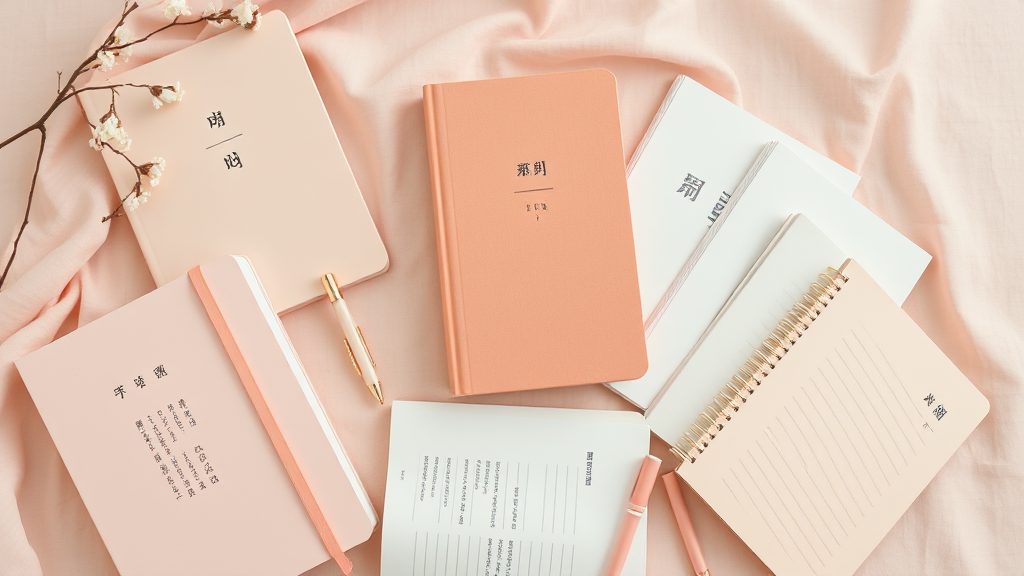
If you’re ready to dive into Korean, you’re probably wondering which Korean language learning resources 2026 will actually get you speaking, reading, and understanding the language. With dozens of apps, websites, textbooks, and tutoring platforms available this year, choosing the right combination of tools can feel overwhelming—but it doesn’t have to be. This guide breaks down the most effective Korean study materials by learning style, budget, and proficiency level, so you can build a personalized learning plan that actually works.
Want the full list? free Korean learning resources for beginners rounds up every free app, course, and tool — this post focuses on just one piece.
Understanding Your Learning Style Before Choosing Resources
Before you invest time or money into any platform, you need to understand how you learn best. Some people thrive with structured textbook lessons and grammar explanations, while others prefer immersive content like K-dramas and music. Visual learners might excel with video-based platforms, while auditory learners benefit from podcast-style lessons and speaking practice.
Take a moment to think about past language learning experiences or even how you mastered other skills. Did you learn best by reading instructions, watching demonstrations, or jumping in and practicing? The most successful Korean learners don’t just pick popular apps—they choose resources that match their natural learning preferences. For instance, if you retain information better through conversation, prioritizing speaking exchanges over flashcard apps will accelerate your progress significantly.
Most importantly, recognize that combining multiple resource types usually produces the best results. A typical effective setup might include one structured learning platform for grammar foundations, one immersion tool for listening practice, and one speaking outlet for production skills. This variety keeps you engaged while covering all the essential language competencies you’ll need.
Top Korean Language Learning Resources 2026 for Beginners
If you’re just starting out, you need beginner korean resources that introduce Hangul (the Korean alphabet), basic grammar structures, and essential vocabulary without overwhelming you. The good news is that 2026 has brought significant updates to major platforms, making them more beginner-friendly than ever.
Talk To Me In Korean (TTMIK) remains the gold standard for structured beginner content. Their 2026 updates include an enhanced mobile app with speech recognition technology that provides real-time pronunciation feedback. The platform offers both free korean learning materials on their website and premium courses with downloadable workbooks. What sets TTMIK apart is their natural progression from absolute beginner to advanced levels, with each lesson building logically on previous concepts.
Duolingo Korean received a major overhaul in early 2026, adding more contextual examples and cultural notes to each lesson. While it shouldn’t be your only resource, it’s excellent for daily practice and vocabulary retention. The gamification elements keep you consistent, which matters more than most learners realize—fifteen minutes daily beats two-hour weekend sessions for language acquisition.
How to Study Korean continues to offer completely free, comprehensive grammar lessons with the most detailed explanations you’ll find anywhere. The website isn’t flashy, but the content quality is exceptional for understanding the “why” behind Korean grammar patterns. Use this alongside more interactive platforms for a well-rounded foundation.
For absolute beginners who need Hangul mastery first, LingoDeer provides the most intuitive introduction to reading and writing Korean characters. Their 2026 version includes augmented reality features that let you practice writing Hangul with your phone camera, getting instant feedback on stroke order and proportions.
Intermediate and Advanced Korean Study Materials
Once you’ve mastered basic grammar and can hold simple conversations, you need korean language learning resources 2026 that push you toward fluency. This intermediate stage is where many learners plateau, so choosing the right materials becomes even more critical.
Yonsei Korean and Seoul National University’s Korean textbook series remain the most comprehensive structured courses for intermediate learners. The 2026 editions include digital companion apps with native speaker audio for every dialogue and exercise. These aren’t cheap (around $40-50 per level), but they provide the systematic grammar coverage and academic rigor that apps typically lack.
For listening comprehension, Korean Class 101 offers podcast-style lessons organized by difficulty level. Their 2026 subscription includes AI-powered conversation practice where you can have open-ended dialogues with realistic response patterns. The intermediate and advanced lessons tackle authentic situations like job interviews, medical appointments, and business negotiations.
Lingopie has emerged as the best platform for learning through Korean shows and movies in 2026. Unlike simply watching K-dramas with subtitles, Lingopie provides interactive subtitles where you can click any word for instant definitions, save vocabulary to flashcard decks, and adjust playback speed. The platform added dozens of new Korean titles this year, including variety shows and documentaries beyond the typical drama selection.
For advanced learners aiming for near-native fluency, TOPIK preparation materials (Test of Proficiency in Korean) provide rigorous reading and listening practice. Even if you’re not planning to take the test, TOPIK II practice books expose you to complex grammar patterns, formal writing styles, and advanced vocabulary across diverse topics.
How Long Does It Take to Learn Korean?
Most learners reach conversational proficiency in Korean within 12-18 months of consistent daily study, while achieving advanced fluency typically requires 2-3 years of dedicated practice. The U.S. Foreign Service Institute classifies Korean as a Category IV language, estimating 2,200 class hours for English speakers to reach professional proficiency, though this timeline varies significantly based on your study intensity, learning methods, and language background.
Your actual timeline depends heavily on several factors: daily study time, quality of resources, speaking practice frequency, and whether you have opportunities for immersion. Someone studying one hour daily with effective korean study materials might achieve basic conversational ability in eight months, while someone studying sporadically could take twice as long to reach the same point. The key isn’t just time invested but consistency and using the right combination of resources for your level.
Don’t get discouraged by these timeframes. You’ll start understanding Korean content and having simple conversations much earlier—often within 3-6 months if you’re consistent. Fluency is a spectrum, not a finish line, and you’ll experience rewarding milestones throughout your journey. Check out more language learning insights to stay motivated through each stage of your Korean studies.
Free Korean Learning Resources That Actually Work
You don’t need to spend hundreds of dollars to learn Korean effectively. While premium resources offer convenience and structure, plenty of free korean learning tools can take you from complete beginner to intermediate proficiency without any financial investment.
YouTube hosts incredible free content creators like Talk To Me In Korean’s channel, Korean Unnie, and Go! Billy Korean. These channels provide structured lesson series, pronunciation guides, and cultural context that rival paid courses. Billy’s channel specifically breaks down complex grammar in uniquely clear ways, while Korean Unnie offers practical conversational lessons with natural speech patterns.
Anki remains the most powerful free flashcard system for vocabulary retention. Download pre-made Korean decks or create your own using a spaced repetition system that ensures you review words right before you’d forget them. The 2026 Anki mobile apps have improved synchronization and now include audio playback enhancements for better pronunciation practice.
HelloTalk and Tandem connect you with native Korean speakers for language exchange. These conversation apps let you practice with real people, get corrections on your writing, and make genuine connections. The free versions provide unlimited text chat and limited voice calls—more than enough for consistent speaking practice.
Naver Dictionary is essential for any Korean learner. It provides better context and example sentences than most English-Korean dictionaries, plus native speaker pronunciations. The 2026 update includes an improved camera function that can translate Korean text in images instantly, perfect for reading restaurant menus or product labels.
For reading practice, News in Slow Korean offers weekly news articles written in simplified Korean with audio recordings. Start with their easiest level and gradually progress as your reading comprehension improves. Pair this with Korean children’s books available free through many public library apps—simple vocabulary with engaging stories makes for excellent practice material.
Creating an Effective Resource Combination Strategy
The biggest mistake Korean learners make isn’t choosing the wrong resources—it’s trying to use too many at once or failing to create a cohesive study system. The most effective approach combines three or four complementary tools rather than bouncing between dozens of apps and websites.
A proven beginner combination might look like this: TTMIK or How to Study Korean for structured grammar lessons (30 minutes daily), Duolingo or LingoDeer for vocabulary and quick practice (15 minutes daily), and HelloTalk for weekly conversation practice (2-3 times per week). This setup covers input (learning new content), memorization (vocabulary retention), and output (speaking practice) without overwhelming your schedule.
For intermediate learners, shift toward more immersion-based resources: a textbook series for systematic grammar review (3 times weekly), Lingopie or Korean shows for listening comprehension (30 minutes daily), italki or a language exchange partner for conversation (2-3 times weekly), and Anki for vocabulary from your immersion content (15 minutes daily). Notice how the balance shifts from structured lessons toward authentic content as you advance.
Track your progress by setting specific, measurable goals for each resource. Instead of vaguely “using Duolingo,” commit to completing one level per week. Instead of “watching K-dramas,” aim to watch three episodes weekly with Korean subtitles, noting new vocabulary. This intentional approach ensures you’re actually progressing rather than just consuming content passively.
Remember that your resource combination should evolve as you advance. What works for a beginner learning Hangul won’t serve an intermediate learner preparing for the TOPIK exam. Reassess your toolkit every few months, dropping resources that no longer challenge you and adding new ones that target your current weaknesses.
Making Your Korean Learning Resources Work for You
The best Korean language learning resources 2026 offers won’t help if you don’t use them consistently and strategically. Success in Korean—or any language—comes from showing up daily, combining multiple learning methods, and staying engaged with material that matches your current level while gradually increasing difficulty.
Start by choosing one structured resource for grammar foundations, one tool for vocabulary building, and one outlet for speaking practice. Give this combination at least three months before making major changes—consistency beats constantly switching between platforms. As you progress, lean more heavily into immersion materials like Korean media, books, and conversations with native speakers, which you can explore more at our blog where we regularly discuss language learning strategies.
The Korean learning landscape in 2026 offers more high-quality options than ever before, including robust free korean learning tools that can take you surprisingly far. Whether you invest in premium courses or stick with free resources, your success ultimately depends on daily practice, strategic resource selection, and maintaining genuine curiosity about Korean language and culture. If you’re also interested in Korean culture beyond language, explore Korean cuisine and recipes to deepen your cultural understanding while you study.
Choose your resources, commit to your schedule, and start today. Your future Korean-speaking self will thank you for taking that first step.