As an Amazon Associate I earn from qualifying purchases. This post contains affiliate links, which means I may earn a small commission — at no extra cost to you — if you buy through them. I only recommend things I believe are genuinely worth your time.
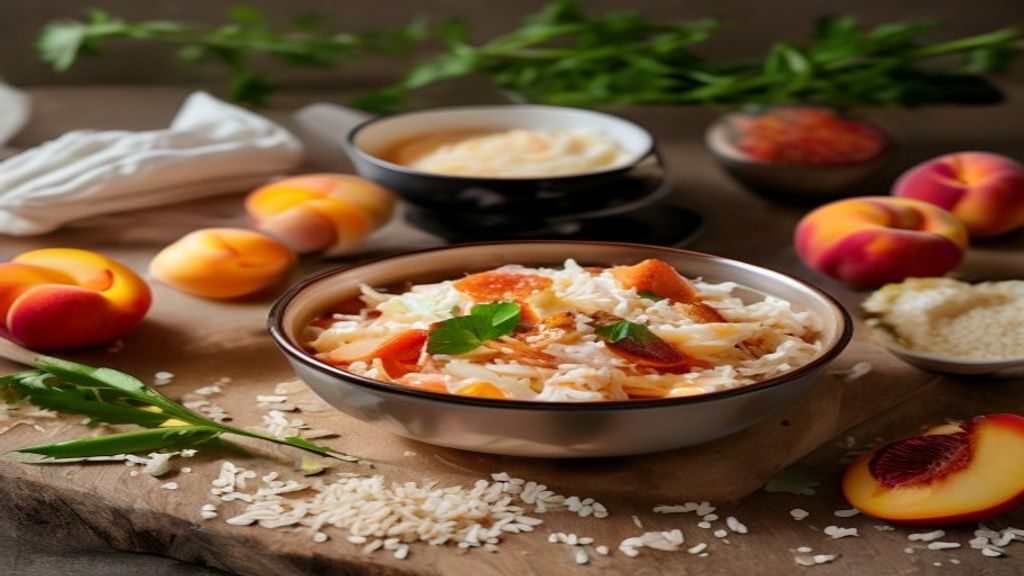
If you’ve ever wondered what to do with that container of leftover rice sitting in your fridge, kimchi fried rice is about to become your new favorite solution. This Korean comfort food classic, known as kimchi bokkeumbap, transforms simple ingredients into something incredibly satisfying—tangy, savory, and just a little bit spicy. The best part? You probably have everything you need already in your kitchen, and the whole dish comes together in less than 15 minutes.
Why Leftover Rice Makes Better Kimchi Fried Rice
You might think using day-old rice is just convenient, but it’s actually essential for achieving that perfect fried rice texture. Freshly cooked rice contains too much moisture, which means it’ll turn mushy and clump together when you stir-fry it. Leftover rice that’s been refrigerated for at least a few hours (or up to three days) dries out slightly, allowing each grain to separate and crisp up beautifully in the pan.
When you pull that cold rice from the fridge, break up any large clumps with your hands before you start cooking. If the rice feels particularly hard or compressed, you can sprinkle it with a tiny bit of water and microwave it for 30 seconds—just enough to make it pliable without making it wet. The goal is rice that’s dry to the touch but not rock-hard.
Choosing and Preparing Your Kimchi
Not all kimchi is created equal when it comes to easy kimchi fried rice, and the ripeness of your kimchi dramatically affects the final flavor. You want kimchi that’s well-fermented and tangy—the kind that’s been sitting in your fridge for a couple weeks and has developed that complex, sour funk. Fresh, barely-fermented kimchi lacks the depth of flavor that makes this dish sing.
Before adding kimchi to your pan, squeeze out the excess liquid with your hands or press it against a strainer. Save this juice though—don’t pour it down the drain! That bright red kimchi brine is packed with flavor and you’ll want to add some back into the rice as it cooks. Roughly chop your kimchi into bite-sized pieces, about half-inch squares, so you get a bit in every forkful without overwhelming chunks.
How much kimchi should you use? A good ratio is about one cup of chopped kimchi for every two cups of cooked rice. If you’re a kimchi fanatic, you can definitely go heavier, but start with this proportion and adjust based on your preference.
The Technique for Restaurant-Quality Texture
The secret to achieving that slightly crispy, perfectly separated texture you get at Korean restaurants comes down to heat and patience. You need a wide pan or wok heated to medium-high, and you need to resist the urge to constantly stir everything around.
🍳 A good wok gives you the high-heat sear that makes stir-fries taste restaurant-good. Here’s the wok I’d recommend →
As an Amazon Associate I earn from qualifying purchases.
Start by heating a tablespoon or two of neutral oil until it shimmers. Add your chopped kimchi and stir-fry it for about two minutes—this caramelizes the kimchi slightly and deepens its flavor. Then add your rice, breaking up any remaining clumps as you go. Here’s where patience comes in: press the rice down into an even layer and let it sit undisturbed for about 45 seconds. You should hear it sizzling and crisping against the pan. Then stir, press down again, and let it sit for another 45 seconds.
Repeat this process three or four times. This technique creates those golden, slightly crispy bits while keeping the interior of each rice grain tender. As you cook, add splashes of that reserved kimchi juice along with a tablespoon of soy sauce and a teaspoon of sesame oil. The liquid should evaporate quickly in the hot pan, leaving behind concentrated flavor rather than making the rice soggy.
🥢 One upgrade that matters: cheap sesame oil tastes flat — a real toasted one is nutty and fragrant. This is the toasted sesame oil I use →
As an Amazon Associate I earn from qualifying purchases.
Adding Protein and Other Mix-Ins
While kimchi bokkeumbap is delicious on its own, adding protein transforms it from a side dish into a complete meal. The most traditional addition is spam or bacon, both of which contribute a salty, savory element that complements the tangy kimchi perfectly. Dice spam into small cubes and crisp it in the pan before adding the kimchi, or cook bacon until crunchy and use the rendered fat instead of neutral oil.
If you prefer lighter options, try diced chicken thigh, pork belly, or even firm tofu cut into small cubes. Cook your protein first, remove it from the pan, then proceed with the kimchi and rice, stirring the protein back in at the end. For a vegetarian boost, shiitake mushrooms add an umami-rich meatiness—just slice them thin and sauté until golden before adding the kimchi.
The classic finishing touch is a fried egg on top. Cook it sunny-side up with crispy, lacy edges, and when you break that yolk and let it run into the rice, it creates a rich, creamy sauce that ties everything together. Sprinkle with sliced green onions and toasted sesame seeds right before serving.
🥢 Toasted sesame seeds add that signature nutty crunch and aroma to Korean dishes. Here’s the jar I keep on hand →
As an Amazon Associate I earn from qualifying purchases.
Troubleshooting Common Problems
If your kimchi fried rice turns out mushy, you’ve likely added too much liquid or your pan wasn’t hot enough. Remember that the rice should sizzle when it hits the pan—if it doesn’t, your heat is too low. Next time, use less kimchi juice and make sure your rice is completely dry before cooking.
On the flip side, if your rice seems dry and bland, you probably didn’t use enough kimchi or kimchi brine. The fermented liquid is where much of the flavor lives, so don’t be shy about adding it. You can also boost flavor with a small spoonful of gochugaru (Korean red pepper flakes) or a dab of gochujang (Korean red pepper paste) mixed with a little water.
🌶️ Need gochujang for this? This sweet-savory fermented chili paste is the heart of so many Korean dishes — here’s the tub I keep in my fridge →
As an Amazon Associate I earn from qualifying purchases.
🌶️ Pantry note: real Korean gochugaru makes a noticeable difference here. This is the bag I reach for →
As an Amazon Associate I earn from qualifying purchases.
If the rice is sticking to your pan in an unpleasant way rather than crisping nicely, add a touch more oil. A well-seasoned cast iron pan or carbon steel wok works beautifully for this dish, but even a nonstick pan can work if you get it hot enough and don’t overcrowd it.
🍳 Worth the investment: check out this cast iron skillet →
As an Amazon Associate I earn from qualifying purchases.
Making It Your Own
Once you’ve mastered the basic technique for making kimchi fried rice, you’ll find it’s incredibly forgiving and adaptable. Try adding a handful of frozen peas or corn for sweetness and color, or stir in some chopped kimchi radish (kkakdugi) for extra crunch. A small drizzle of mayo might sound unusual, but it’s popular in Korea and adds creamy richness that balances the spice.
This is also one of the best leftover rice recipes for using up odds and ends from your fridge. That last bit of rotisserie chicken? Shred it and toss it in. Random vegetables that need to be used? Chop them small and add them with the kimchi. The core technique stays the same—crispy, well-fermented kimchi, dry leftover rice, and high heat—so you can improvise with confidence.
The beauty of kimchi bokkeumbap is that it rewards you for having leftovers. That forgotten container of rice and the jar of kimchi slowly fermenting in the back of your fridge come together to create something far greater than the sum of their parts. Once you get comfortable with the basic method, you’ll find yourself making extra rice on purpose, just so you can have an excuse to make this dish again.