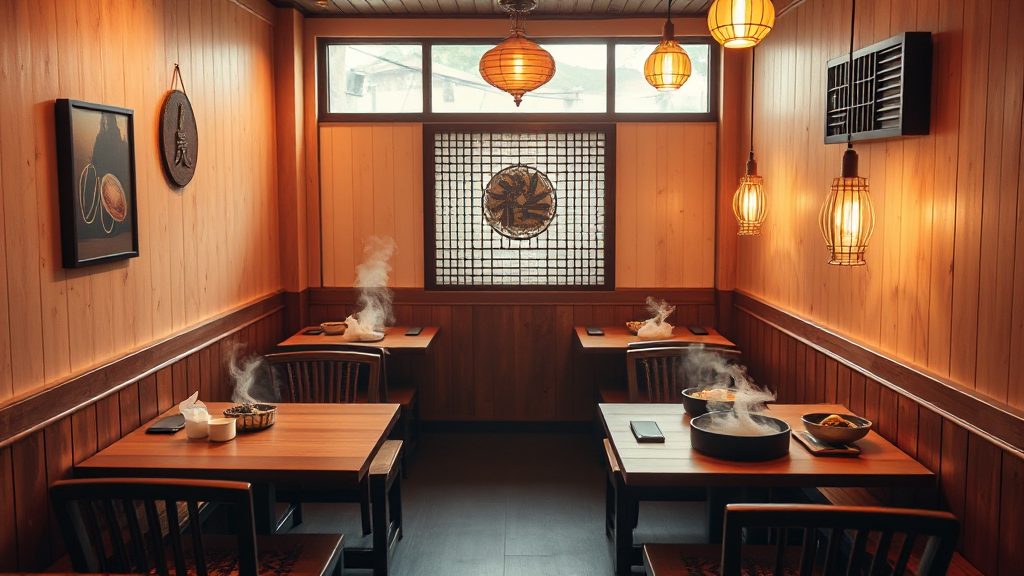
If you’re planning a trip to South Korea’s vibrant capital, discovering the best Korean restaurants in Seoul is essential to experiencing the city’s incredible culinary landscape. Seoul offers everything from Michelin-starred fine dining establishments to hidden neighborhood gems serving traditional recipes passed down through generations. Whether you’re craving sizzling Korean BBQ, comforting bowls of bibimbap, or the complex flavors of royal court cuisine, this comprehensive guide will help you navigate Seoul’s diverse food scene across different neighborhoods and price points so you can make the most of every meal during your visit.
Understanding Korean Cuisine Types in Seoul
Before diving into specific restaurant recommendations, it helps to understand the different types of Korean cuisine you’ll encounter. Seoul’s food culture is remarkably diverse, and knowing what to look for will enhance your dining experience significantly.
Korean BBQ (gogi-gui) remains the most internationally recognized style, where you grill marinated or unmarinated meat at your table. But Seoul’s culinary offerings extend far beyond this. You’ll find jjigae (stews) like kimchi jjigae and doenjang jjigae that provide warming comfort, especially during colder months. Jjim and jeongol are elaborate braised dishes and hot pots perfect for sharing. Then there’s hansik, which refers to traditional Korean table settings where multiple banchan (side dishes) accompany your main course.
🫙 Pantry staple: a good doenjang makes doenjang jjigae taste like the real thing. Grab the one I keep on hand →
As an Amazon Associate I earn from qualifying purchases.
Regional specialties also matter in Seoul’s restaurant scene. Many establishments specialize in dishes from specific provinces—Jeolla Province is famous for its generous banchan and rich flavors, while Gyeongsang Province is known for spicier preparations. Royal court cuisine (gujeolpansik) represents the pinnacle of traditional Korean cooking, with meticulously prepared dishes that once graced palace tables. Understanding these distinctions will help you choose restaurants that match your culinary interests.
Best Korean Restaurants in Seoul by Neighborhood
Seoul’s neighborhoods each have distinct dining personalities, and knowing where to eat what can transform your food journey from good to extraordinary.
In Gangnam and Sinsa, you’ll find upscale Korean BBQ restaurants where quality justifies the premium prices. Samwon Garden remains an institution for its hanwoo (Korean beef) served in a traditional setting with beautiful gardens. For modern Korean cuisine, Mingles has maintained its Michelin recognition through 2026 with innovative dishes that respect traditional foundations while incorporating contemporary techniques. Expect to pay 80,000-150,000 won per person at these establishments.
The Jongno and Insadong areas excel at traditional Korean restaurants and are ideal for visitors seeking authentic historical atmosphere. Tosokchon Samgyetang specializes in ginseng chicken soup that locals and tourists alike queue for, especially during summer’s boknal days. Prices here are more moderate, typically 18,000-25,000 won for their signature dish. For royal court cuisine, Jihwaja offers an accessible introduction to gujeolpan and other palace dishes at around 50,000-80,000 won per person.
Mapo and Hongdae cater to younger crowds and budget-conscious diners without sacrificing quality. The side streets near Hongik University are packed with excellent gamjatang (pork bone stew) and gopchang (grilled intestines) spots where you’ll spend 12,000-20,000 won per person. Yeontabal in Mapo has perfected the art of dakgalbi (spicy stir-fried chicken) and offers exceptional value.
Itaewon and Hannam-dong blend Korean and international influences, making them perfect if you’re traveling with companions who want variety. Hanilkwan has been serving traditional Korean banchan sets since 1939, and their extensive menu accommodates different dietary preferences. Budget 30,000-50,000 won per person here.
How Do You Make Reservations at Seoul’s Top Restaurants?
Making reservations at popular Seoul restaurants requires some planning, especially for must-eat restaurants in Seoul that have limited seating. Most upscale and Michelin-recognized establishments require reservations made 1-4 weeks in advance, particularly for weekend dinners.
The reservation process typically works through several channels. Many top-tier restaurants now use the Catchtable app, which functions like OpenTable but for Korean restaurants—it’s available in English and allows you to book directly from your phone. For Michelin-starred venues like Jungsik or Mingles, booking through their official websites is most reliable, though you may need basic Korean language skills or help from your hotel concierge. Some traditional restaurants still only accept phone reservations, which is where your accommodation’s concierge service becomes invaluable.
For casual neighborhood spots, reservations generally aren’t necessary or even possible—these operate on a first-come, first-served basis. Arriving right before typical Korean meal times (11:30 AM for lunch, 6:00 PM for dinner) usually means shorter waits. If you’re visiting Seoul and want to deepen your understanding of Korean culture beyond just dining, check out the Korean learning resources available to help you navigate menus and communicate with restaurant staff more confidently.
Korean Restaurants in Seoul for Different Budget Ranges
Seoul’s dining scene accommodates every budget without forcing you to compromise on authenticity or quality. Understanding realistic price ranges helps you plan your Seoul food guide adventure effectively.
Budget-Friendly (Under 15,000 won per person): Don’t underestimate Seoul’s budget dining options. Gwangjang Market offers phenomenal bindaetteok (mung bean pancakes) and mayak gimbap (addictive mini seaweed rolls) for 3,000-8,000 won. Neighborhood kimbap chains like Kim Gane serve filling bibimbap, kimchi jjigae, and gimbap sets for 5,000-9,000 won. Myeongdong Kyoja’s kalguksu (hand-cut noodle soup) has satisfied diners for decades at around 10,000 won per bowl.
Mid-Range (15,000-50,000 won per person): This sweet spot offers excellent quality and variety. Hanilkwan and Gogung serve comprehensive Korean table settings with multiple banchan, main dishes, and rice for 25,000-35,000 won. Korean BBQ restaurants in this range, like Maple Tree House, provide good quality pork and beef without Gangnam’s premium prices. Seasonal restaurants specializing in dishes like kongguksu (cold soy milk noodles) in summer or haemul pajeon (seafood pancake) on rainy days typically fall in this category.
Upscale (50,000-100,000 won per person): Here you’ll experience exceptional ingredient quality and refined preparation. Hanwoo beef restaurants like Byeokje Galbi showcase Korea’s prized cattle with expert butchering and grilling guidance. Traditional royal court cuisine restaurants present elaborate multi-course meals that educate as much as they satisfy. The presentation, service, and ingredient sourcing justify the elevated prices.
Fine Dining (100,000+ won per person): Seoul’s Michelin-starred establishments and exclusive venues occupy this tier. Jungsik, Korea’s most internationally recognized fine dining restaurant, reinterprets Korean flavors through modern culinary techniques with tasting menus starting around 180,000 won. Gaon specializes in temple cuisine and royal court dishes with impeccable execution. These experiences suit special occasions and serious food enthusiasts wanting to understand contemporary Korean gastronomy’s highest expressions.
Essential Dining Etiquette and Practical Tips
Knowing a few cultural practices will make your dining experiences at Korean restaurants in 2026 smoother and more enjoyable. Korean dining culture emphasizes communal eating and has specific customs that differ from Western practices.
First, understand that banchan (side dishes) are complimentary and refillable at most restaurants—don’t hesitate to ask for more of your favorites by saying “refill juseyo.” Korean meals are typically shared family-style, so order a variety of dishes for the table rather than individual entrees. When someone older than you is present, wait for them to begin eating before you start, and never pour your own drink if others at your table can do it for you—Koreans pour drinks for each other as a sign of respect and camaraderie.
At Korean BBQ restaurants, staff often help with grilling, especially at upscale venues. Don’t feel obligated to manage everything yourself—accepting their expertise is normal and expected. Use the provided scissors to cut meat into bite-sized pieces, and wrap it in lettuce leaves with ssamjang (seasoned paste) and other accompaniments.
Payment customs matter too. Bills typically come to the table, and splitting checks isn’t as common as in Western countries—Koreans often take turns treating the entire group. However, tourist-friendly restaurants increasingly accommodate split payments. Cash is still accepted everywhere, but credit cards and digital payment systems like Samsung Pay work at most establishments in 2026.
Tipping is not expected or practiced in Korea. The price you see is what you pay. Service charges are occasionally included at high-end restaurants, but leaving extra money can actually create awkward situations. For more insights into Korean culture and traditions that can enhance your travel experience, visit the travel stories section for deeper cultural context.
Seasonal Specialties and When to Visit
Seoul’s food culture follows seasonal rhythms that influence what appears on menus throughout the year. Timing your visit around specific seasons unlocks unique culinary experiences you won’t find year-round.
Spring (March-May) brings abundant wild vegetables and herbs. Restaurants feature dishes with namul (seasoned wild greens), fresh ssuk (mugwort), and naengi (shepherd’s purse). This is also when strawberry bingsu starts appearing at dessert cafes, transitioning from winter’s heavy comfort foods to lighter spring flavors.
Summer (June-August) is samgyetang season, particularly during boknal—the hottest days according to the lunar calendar. Koreans believe eating hot ginseng chicken soup during peak heat restores energy. Naengmyeon (cold buckwheat noodles) and kongguksu become essential relief from humidity. Many restaurants specializing in these dishes have lines during summer lunch hours.
Autumn (September-November) is arguably Seoul’s best food season. Mushroom varieties peak, seafood like gejang (soy-marinated crab) reaches optimal flavor, and persimmons appear everywhere. The moderate weather makes pojangmacha (street food tents) particularly enjoyable for evening snacks and soju. This is when you’ll find the best Korean restaurants in Seoul showcasing seasonal ingredients at their finest.
Winter (December-February) brings steaming stews and hot pots. Budae jjigae (army base stew) and kimchi jjigae taste especially satisfying when temperatures drop. Korean BBQ restaurants are busiest during winter evenings, and galbitang (short rib soup) provides warming comfort. Markets offer hotteok (sweet pancakes) and roasted chestnuts as popular street snacks.
If you’re interested in recreating some of these seasonal Korean dishes at home after your trip, explore the food and recipes section for authentic preparation methods and ingredient guidance.
Making the Most of Your Seoul Dining Experience
Experiencing the best Korean restaurants in Seoul requires more than just showing up hungry—it’s about embracing the culture, understanding the context, and being open to flavors and textures that might challenge your palate. Start with familiar dishes like bulgogi or bibimbap, then gradually explore fermented flavors, offal preparations, and regional specialties that locals cherish.
Balance your dining between different neighborhood types and price points. A Michelin-starred meal provides incredible refinement, but some of your most memorable food moments will likely happen at a 40-year-old family restaurant in a residential neighborhood where no English menu exists and grandma is still cooking in the kitchen. Don’t over-schedule—spontaneous discoveries often become the highlights of any Seoul food guide adventure.
Remember that Korean dining is inherently social. Whether you’re traveling solo or with companions, meals in Seoul are opportunities for connection, conversation, and cultural exchange. Engage with restaurant staff, ask questions about dishes, and show genuine interest in the food culture. Most Koreans take immense pride in their cuisine and appreciate when visitors approach it with respect and curiosity. With this guide’s recommendations and insights, you’re well-equipped to navigate Seoul’s remarkable restaurant scene and create delicious memories that will last long after your trip ends.