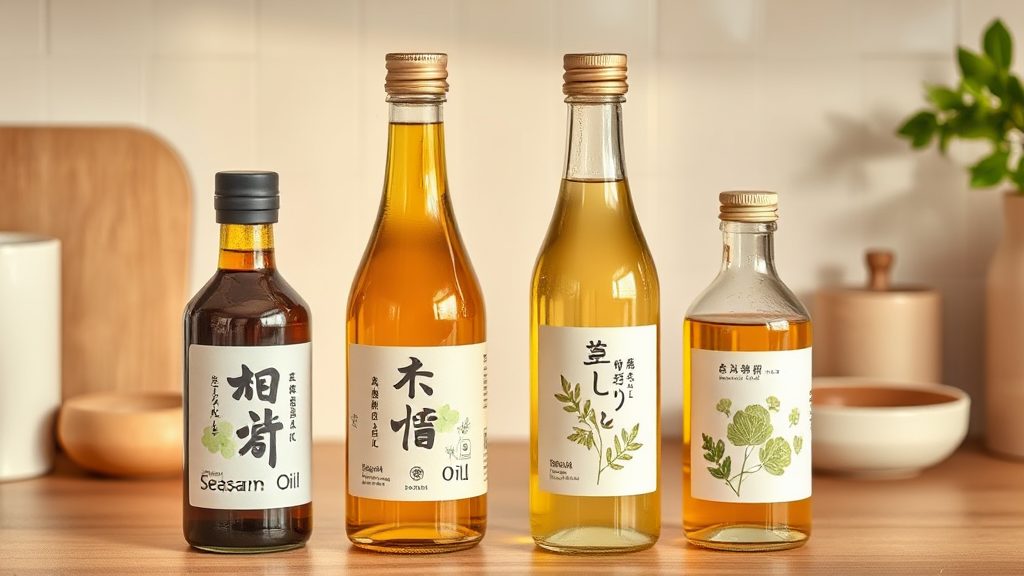
When you step into the world of Korean cooking, one of the first things you’ll notice is the distinctive aroma of Korean cooking oils that give dishes their authentic flavor and character. Unlike Western cuisines that often rely on olive oil or butter, Korean kitchens traditionally use a trio of oils—sesame, perilla, and soybean—each serving unique culinary and nutritional purposes. Understanding which oil to reach for can transform your cooking while supporting your health goals, especially as more research in 2026 confirms the remarkable benefits these traditional oils offer.
The Essential Korean Cooking Oils You Need to Know
Korean cuisine has relied on three primary oils for centuries, and each one plays a distinct role in the kitchen. Sesame oil, made from toasted or raw sesame seeds, stands as perhaps the most iconic of all korean cooking oils. Its nutty, aromatic quality makes it instantly recognizable in dishes from bibimbap to namul banchan. You’ll find two varieties: the darker, toasted sesame oil used primarily as a finishing oil, and the lighter, refined sesame oil suitable for cooking.
🥢 Toasted sesame seeds add that signature nutty crunch and aroma to Korean dishes. Here’s the jar I keep on hand →
As an Amazon Associate I earn from qualifying purchases.
🥢 Finishing touch: a good toasted sesame oil is what makes these dishes taste like the real thing. Grab the one I reach for →
As an Amazon Associate I earn from qualifying purchases.
Perilla oil, extracted from the seeds of the perilla plant (related to but distinct from the perilla leaves used in Korean cooking), has gained significant attention in health circles. This oil delivers a unique, slightly nutty flavor with subtle hints that some describe as having a grassy or minty undertone. While less common in Korean-American kitchens than sesame oil, it’s a staple in Korea itself and is experiencing a resurgence as people discover its exceptional nutritional profile.
🌿 Perilla oil has a deep, nutty, roasted flavor you can’t get from anything else — a little goes a long way. Here’s the perilla oil I use →
As an Amazon Associate I earn from qualifying purchases.
Soybean oil rounds out the trio as the workhorse oil of Korean kitchens. Neutral in flavor and widely available, it’s the go-to choice for everyday cooking, frying, and situations where you don’t want the oil to compete with other flavors. Many Korean households keep all three oils on hand, selecting each for specific purposes based on the dish and cooking method.
Sesame Oil Health Benefits and Practical Kitchen Uses
The sesame oil health benefits extend far beyond its delicious taste. This oil contains powerful antioxidants called lignans—specifically sesamol and sesamin—which studies in 2026 continue to show may help reduce inflammation and oxidative stress in the body. Sesame oil is also rich in polyunsaturated and monounsaturated fats, including omega-6 fatty acids that support heart health when consumed as part of a balanced diet. Additionally, it provides vitamin E and vitamin K, both essential for maintaining healthy skin and proper blood clotting.
One unique property of sesame oil is its natural stability. The antioxidants present in sesame oil help prevent it from going rancid as quickly as many other oils, which is why it has been a reliable choice throughout history in regions without refrigeration. However, you should still store it in a cool, dark place to maximize its shelf life and preserve its nutritional properties.
When cooking with sesame oil, understanding its smoke point is crucial. Toasted sesame oil has a relatively low smoke point of around 350°F (177°C), which means it’s not ideal for high-heat cooking methods like deep frying or stir-frying over intense heat. Instead, use it as a finishing oil—drizzle it over completed dishes, mix it into marinades, or add it to soups and stews during the final minutes of cooking. Just a teaspoon or two can transform a bowl of rice, enhance the flavors in Korean recipes, or add depth to steamed vegetables.
The lighter, refined sesame oil has a higher smoke point (around 410°F or 210°C) and can handle medium-high heat cooking. You’ll find this variety useful for sautéing vegetables or pan-frying proteins when you want a subtle sesame background flavor rather than the pronounced nuttiness of the toasted version.
Why Perilla Oil Deserves a Place in Your Kitchen
If you’re looking to expand your collection of korean kitchen oils beyond the basics, perilla oil offers compelling reasons to make the investment. This oil boasts one of the highest concentrations of alpha-linolenic acid (ALA) among common cooking oils—often containing 55-65% ALA, an omega-3 fatty acid. For context, that’s significantly higher than flaxseed oil and vastly more than olive or sesame oil. Your body converts ALA into EPA and DHA, the omega-3 fatty acids associated with reduced inflammation, improved brain function, and cardiovascular health.
Research published in 2026 has shown particular interest in perilla oil’s potential to support metabolic health. Some studies suggest it may help improve lipid profiles and reduce markers of inflammation, though as with any dietary component, it works best as part of an overall healthy eating pattern rather than as a magic bullet. The oil also contains rosmarinic acid, a polyphenol with antioxidant properties that may contribute to its health-supporting effects.
When it comes to perilla oil cooking, you need to exercise some caution. Perilla oil has a low smoke point—typically around 320°F (160°C)—making it unsuitable for high-heat applications. Heat can also degrade those precious omega-3 fatty acids you’re seeking. For best results, use perilla oil raw or add it to dishes after cooking. It excels in salad dressings, mixed into cooked grains, drizzled over blanched vegetables, or stirred into soups after you’ve removed them from heat.
The flavor of perilla oil takes some getting used to if you’re new to it. It’s more assertive than sesame oil, with an herbaceous quality that pairs beautifully with robust Korean flavors. Try mixing it with a bit of soy sauce and rice vinegar for a simple banchan dressing, or use it to finish a bowl of kongnamul guk (soybean sprout soup) for added depth and nutrition.
🍚 Need rice vinegar? Its mild, clean tang is perfect for pickles, dressings, and dipping sauces. Here’s the bottle I use →
As an Amazon Associate I earn from qualifying purchases.
Which Korean Cooking Oil is Best for High-Heat Cooking?
Soybean oil is your best choice among traditional Korean cooking oils for high-heat applications like deep frying and stir-frying. With a smoke point of approximately 450°F (232°C), refined soybean oil can handle the intense heat required for creating crispy Korean fried chicken, jeon (savory pancakes), and other fried favorites without breaking down or producing off flavors.
This oil’s neutral flavor profile means it won’t interfere with the complex seasonings in Korean dishes. When you’re making buchimgae (Korean pancakes) or frying mandu (dumplings), soybean oil allows the flavors of the kimchi, scallions, or meat filling to shine through. It’s also the most economical of the three oils, making it practical for frying applications that require larger quantities of oil.
From a health perspective, soybean oil contains a mix of polyunsaturated fats (primarily omega-6 fatty acids) and monounsaturated fats. While it doesn’t have the same antioxidant profile as sesame or the omega-3 content of perilla oil, it’s still a reasonable choice when used in moderation. The key consideration with soybean oil—and omega-6 fatty acids in general—is maintaining a balanced ratio with omega-3s in your overall diet. Most modern diets are already high in omega-6s, so if you’re using soybean oil frequently for cooking, consider balancing it with omega-3-rich foods or oils like perilla.
Matching Oil to Cooking Method for Maximum Benefit
The secret to cooking healthier Korean food lies in matching the right oil to your cooking method. This approach preserves both the nutritional content of the oils and ensures your dishes taste authentic. Understanding smoke points isn’t just about preventing kitchen smoke—when oils are heated past their smoke point, they begin to break down, losing nutritional value and potentially forming harmful compounds.
For raw applications and finishing, reach for toasted sesame oil or perilla oil. These are your flavor bombs and nutritional powerhouses. Drizzle toasted sesame oil over bibimbap just before mixing, stir it into your namul seasoning, or add it to dipping sauces. Use perilla oil in the same way, particularly with dishes featuring vegetables and grains where its unique flavor complements the earthiness of the ingredients.
For medium-heat cooking (sautéing, gentle pan-frying), refined sesame oil or a blend of soybean and sesame oil works well. Many Korean cooks actually blend oils to achieve both flavor and functionality. You might use 70% soybean oil with 30% refined sesame oil when making japchae or bokkeumbap (fried rice), giving you the heat tolerance you need while still imparting subtle sesame notes.
For high-heat cooking (deep frying, wok cooking at high temperatures), stick exclusively with soybean oil or other high-smoke-point oils. Once your fried food is cooked and drained, you can always add a light brush of sesame oil for flavor—a technique Korean fried chicken shops use to add that final layer of nutty, toasted flavor without compromising the crispy texture.
🍳 A good wok gives you the high-heat sear that makes stir-fries taste restaurant-good. Here’s the wok I’d recommend →
As an Amazon Associate I earn from qualifying purchases.
As you explore more Korean cooking techniques and recipes, you’ll develop an intuitive sense for which oil to grab. The oils themselves become part of the seasoning strategy, not just a cooking medium.
Storage and Freshness: Protecting Your Investment
Even the highest-quality korean kitchen oils will lose their health benefits and flavor if stored improperly. All three oils—sesame, perilla, and soybean—are susceptible to oxidation, which occurs when they’re exposed to light, heat, and air. Oxidized oils not only taste stale or rancid but also lose their beneficial properties and may even contain compounds you don’t want to consume.
Store your oils in dark glass bottles or tins in a cool, dark cabinet away from the stove. While it might be convenient to keep them near your cooking surface, the heat from regular cooking will accelerate deterioration. Perilla oil, with its high omega-3 content, is particularly vulnerable to oxidation. Many people store perilla oil in the refrigerator after opening, especially if they don’t use it frequently. It may become cloudy when cold, but it will return to normal at room temperature.
Buy oils in sizes appropriate to your usage. That large bottle might seem economical, but if it takes you six months to use it, you’ll be cooking with degraded oil for much of that time. Toasted sesame oil, used primarily as a finishing oil, typically lasts longer than you might expect—three to six months after opening if stored properly. Check the expiration dates when purchasing and write the opening date on the bottle to track freshness.
Your nose is a reliable freshness indicator. Fresh sesame oil should smell pleasantly nutty and aromatic. If it smells musty, painty, or unpleasant in any way, it’s time to replace it. Perilla oil should have an herbal, slightly grassy aroma; any fishy or off smell indicates oxidation. Fresh soybean oil has virtually no smell—if it smells strong or unpleasant, discard it.
Building Your Korean Oil Collection Strategically
If you’re just beginning your journey into Korean cooking, you don’t need to purchase all three oils immediately. Start with toasted sesame oil and soybean oil—these two will cover most of your needs. Toasted sesame oil provides that essential Korean flavor profile, while soybean oil handles your everyday cooking tasks. As you become more comfortable and want to expand your repertoire, add perilla oil to experience its unique flavor and impressive nutritional profile.
When shopping for these oils, quality matters more than you might think. For sesame oil, look for varieties labeled as “pure” or “100% sesame oil” rather than blends. Korean or Japanese brands typically offer excellent quality, and the ingredient list should contain only sesame seeds or sesame oil—nothing else. The darker the color, generally the more toasted the seeds were before pressing, which translates to stronger flavor.
Perilla oil can be harder to find outside of Korean grocery stores, though online availability has improved significantly in 2026. Look for cold-pressed varieties when possible, as this processing method helps preserve the omega-3 content. Korean perilla oil (deulgireum) and Japanese perilla oil (egoma oil) are essentially the same product, so either works well.
For soybean oil, the standard refined versions available in any supermarket work perfectly fine for Korean cooking. Since you’ll primarily use this oil for high-heat cooking where its nutritional properties are less of a focus, you don’t need to invest in premium or specialty varieties unless you want to.
As you experiment with these oils, you’ll find they influence not just the taste but the overall experience of your Korean dishes. The aroma of sesame oil hitting a hot bowl of rice, the herbaceous depth perilla oil adds to a simple soup, the clean frying capability of soybean oil—these elements work together to create authentic Korean flavors in your home kitchen. Understanding the health properties of each oil allows you to make informed choices that support both your culinary goals and your wellbeing, bringing you closer to the mindful approach to food that characterizes traditional Korean cooking culture you might explore further through Korean cultural learning.
The oils you choose and how you use them reflect a deeper principle in Korean cuisine: ingredients matter, and treating them with respect—storing them properly, using them at appropriate temperatures, and selecting quality products—makes all the difference. As you continue developing your Korean cooking skills in 2026 and beyond, these three oils will become trusted tools in your kitchen, each contributing their unique properties to help you create healthier, more delicious Korean meals.