As an Amazon Associate I earn from qualifying purchases. This post contains affiliate links, which means I may earn a small commission — at no extra cost to you — if you buy through them. I only recommend things I believe are genuinely worth your time.
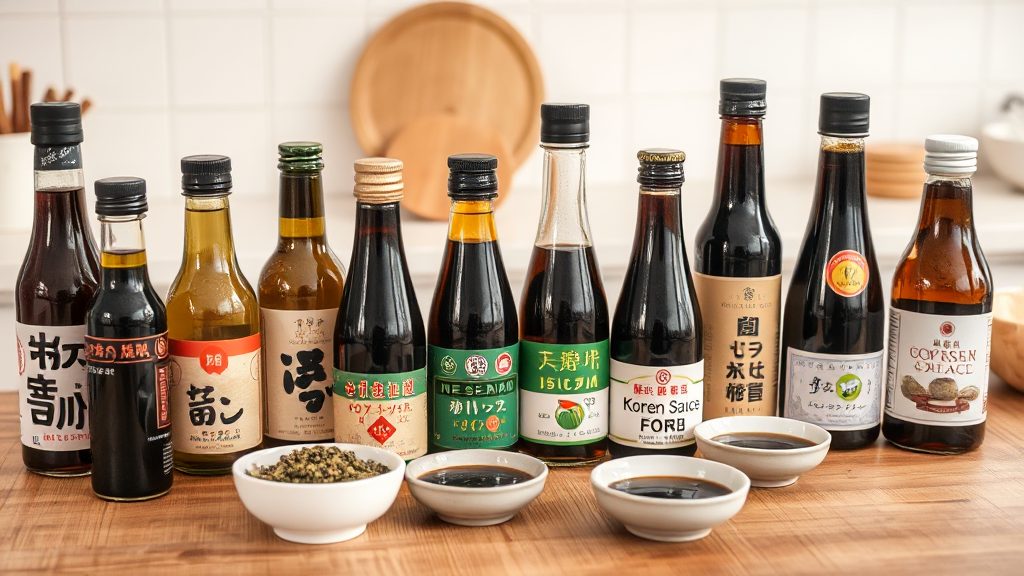
If you’ve ever wandered down the Asian aisle of your grocery store or browsed a Korean market, you’ve probably noticed several bottles of dark liquid all claiming to be soy sauce—yet with completely different Korean labels and price points. Understanding Korean soy sauce types is essential for anyone serious about Korean cooking, because using the wrong variety can dramatically alter the taste, color, and authenticity of your dishes. Unlike the single all-purpose soy sauce common in Western kitchens, Korean cuisine relies on distinct ganjang varieties, each crafted for specific culinary purposes.
🫙 Korean soy sauce (ganjang) is brewed for a cleaner, deeper flavor than generic soy sauce. Here’s the one I use →
As an Amazon Associate I earn from qualifying purchases.
The Two Main Categories of Korean Soy Sauce
Korean soy sauce falls into two fundamental categories: traditionally brewed soy sauce (yangjo ganjang) and chemically produced soy sauce (sanbunsik ganjang). Yangjo ganjang follows centuries-old fermentation methods, where soybeans and wheat are fermented with koji mold and aged in large earthenware pots called jangdokdae, sometimes for years. This traditional process creates complex, nuanced flavors with depth that develops over time. Sanbunsik ganjang, developed in the mid-20th century, uses acid hydrolysis to break down soy proteins quickly—usually within days rather than months. While purists prefer traditionally brewed varieties, chemically produced versions offer consistency and affordability that make them staples in many Korean households.
The distinction matters because these production methods create entirely different flavor compounds. Traditional fermentation produces amino acids, organic acids, and aromatic compounds that give the sauce a rounded, almost wine-like complexity. Chemical hydrolysis creates a sharper, more one-dimensional saltiness. When you’re preparing Korean dishes, knowing which type your recipe requires ensures you’ll achieve the intended flavor balance.
Ganjang Types You’ll Actually Use in Your Kitchen
Within these broader categories, ganjang types become more specific based on their intended use. Jin ganjang (also called joseon ganjang or Korean soup soy sauce) is the lighter-colored, saltier variety traditionally used in Korean cooking. It’s what gives clear soups, stews, and namul (seasoned vegetable dishes) their distinctive savory flavor without darkening the ingredients. This is the soy sauce your grandmother would have made at home in traditional jangdokdae, and it remains irreplaceable for dishes like miyeokguk (seaweed soup) or kongnamul muchim (seasoned soybean sprouts).
Yangjo ganjang (brewed soy sauce for general cooking) is darker and slightly sweeter than jin ganjang, with a more balanced flavor profile. Major Korean brands like Sempio and Chung Jung One produce excellent yangjo ganjang that works beautifully for marinades, dipping sauces, and dishes where you want both color and depth. You’ll see these bottles labeled with specific purposes: “for soup and stew” (guk-ganjang), “for seasoning” (yangyeom-ganjang), or “for dipping” (mat-ganjang). These aren’t marketing gimmicks—they reflect genuine differences in salt content, sweetness, and viscosity that Korean cooks have relied on for generations.
Jin-ganjang specifically deserves special attention because it’s fundamentally different from what most people think of as soy sauce. It’s made from just soybeans and salt (no wheat), producing a pale amber liquid that’s intensely salty but clean-tasting. A tablespoon of jin ganjang can contain 1,000-1,400mg of sodium, compared to 900-1,000mg in standard soy sauce, so you’ll use less of it. The higher salt concentration also means it keeps indefinitely without refrigeration, which is why traditional Korean households could rely on it year-round.
What Makes Korean Soy Sauce Different from Japanese or Chinese Varieties?
Korean soy sauce types differ significantly from their Japanese and Chinese counterparts in both production methods and flavor profiles. Japanese soy sauce (shoyu) typically uses an equal ratio of soybeans to wheat, creating a balanced, moderately salty sauce with pronounced umami. Chinese soy sauce comes in light and dark varieties, with dark soy sauce containing added molasses or caramel for color and sweetness. Korean ganjang, particularly the traditional jin variety, uses predominantly or exclusively soybeans, resulting in a cleaner, sharper saltiness without the wheaty sweetness of Japanese soy sauce or the molasses depth of Chinese dark soy.
The fermentation environments also differ. Korean traditional soy sauce ferments in outdoor earthenware crocks, exposed to seasonal temperature fluctuations that create unique bacterial and yeast populations. Japanese shoyu ferments in controlled indoor environments for consistency. These environmental differences mean that even when the base ingredients are similar, the final products taste distinctly different. If you substitute Japanese soy sauce for Korean jin ganjang in a soup recipe, you’ll end up with a darker broth that tastes noticeably sweeter and less clean—not necessarily bad, but definitely not what the recipe intended.
How Do You Choose the Right Korean Soy Sauce for Your Recipe?
The right choice depends entirely on what you’re cooking. For clear soups, broths, and any dish where you want to add saltiness without changing the color—think tteokguk (rice cake soup), miyeokguk, or dashima broth—you absolutely need jin ganjang or guk-ganjang. There’s no substitute that will give you that crystal-clear, deeply savory result. For marinades, bulgogi, galbi, or any grilled meat dish, yangjo ganjang works perfectly, especially varieties labeled for seasoning or marinating.
🍡 Need rice cakes (tteok)? Chewy Korean rice cakes are the star of tteokbokki and tteokguk. Here’s the tteok I use →
As an Amazon Associate I earn from qualifying purchases.
🌊 Broth tip: a few pieces of dashima transform plain water into savory stock. This is the kelp I buy →
As an Amazon Associate I earn from qualifying purchases.
When making namul (seasoned vegetables), the traditional choice is jin ganjang because it seasons without overwhelming the vegetables’ natural colors. However, many modern Korean cooks use mat-ganjang (dipping soy sauce) for namul because it’s slightly less salty and includes a touch of natural sweetness that complements vegetables beautifully. For dipping sauce bases—whether for mandu (dumplings), pajeon (scallion pancakes), or raw fish—mat-ganjang provides the best foundation, though you’ll typically mix it with other ingredients like vinegar, sesame oil, or gochugaru.
🥢 One upgrade that matters: cheap sesame oil tastes flat — a real toasted one is nutty and fragrant. This is the toasted sesame oil I use →
As an Amazon Associate I earn from qualifying purchases.
🌶️ Pantry note: real Korean gochugaru makes a noticeable difference here. This is the bag I reach for →
As an Amazon Associate I earn from qualifying purchases.
Reading labels helps tremendously. Korean brands typically indicate the soup/stew designation (국간장), seasoning designation (양념간장), or dipping designation (맛간장) right on the front label. If you can’t read Korean, look for English descriptions or check the sodium content—soup soy sauce runs highest, while dipping sauce is usually lowest. The ingredients list matters too: traditionally brewed varieties list soybeans, wheat (sometimes), salt, and water, while chemically hydrolyzed versions include “hydrolyzed soy protein” or similar terms.
Finding and Storing Korean Cooking Sauces
In 2026, sourcing authentic Korean cooking sauces has become easier than ever, even outside major metropolitan areas. H-Mart, the largest Korean-American grocery chain, now has locations across North America, and their shelves stock extensive ganjang selections from premium artisanal brands to everyday cooking staples. Online retailers like Amazon, Weee!, and Yamibuy carry most major Korean brands with reliable shipping, though prices can run 20-30% higher than in-store purchases when you factor in shipping costs.
For those interested in authentic Korean ingredients and cooking techniques, exploring a Korean market in person offers invaluable education. Staff at Korean grocery stores can often explain the differences between products, and you’ll find varieties that never make it to mainstream stores—like premium 3-year aged yangjo ganjang or specialty regional jin ganjang. The experience also connects to broader cultural exploration that makes cooking more meaningful than just following recipes.
Storage is refreshingly simple. Unopened bottles keep for years in a cool pantry, and the high salt content means opened bottles remain stable at room temperature for months. That said, refrigeration after opening preserves flavor better, especially for yangjo ganjang, which can develop off-flavors if left in warm conditions too long. Jin ganjang’s higher salt content makes it nearly indestructible—traditional Korean households keep it in ceramic crocks at room temperature indefinitely. If you notice any mold growth or off-smells (rare but possible with low-sodium varieties), discard the bottle.
One practical tip: buy moderate-sized bottles unless you cook Korean food daily. A 500ml bottle of jin ganjang will last most home cooks 3-6 months, while a 1.8-liter restaurant-sized bottle might lose some aromatic complexity before you finish it. Quality matters more than quantity, especially with traditionally brewed varieties where the depth of flavor justifies the higher price per ounce.
Soy Sauce Substitutes When You Don’t Have the Right Type
Real talk: sometimes you don’t have the specific Korean soy sauce a recipe calls for, and you need to make dinner anyway. While soy sauce substitutes won’t replicate the exact flavor, understanding equivalencies helps you adapt successfully. If a recipe requires jin ganjang and you only have regular soy sauce, use about 25% less than called for and add a pinch of extra salt if needed—regular soy sauce is less salty but will add more color and a slightly different flavor profile.
When substituting regular soy sauce for yangjo ganjang in marinades or stir-fries, the difference is minimal enough that most home cooks won’t notice, especially when other strong flavors like garlic, ginger, and gochugaru are involved. Japanese soy sauce works reasonably well as a yangjo ganjang substitute because both contain wheat and have similar salt levels. Chinese light soy sauce also substitutes adequately for yangjo ganjang, though it tends toward a slightly sharper flavor.
The one substitution that rarely works well is trying to replace jin ganjang with dark soy sauce or tamari. Dark soy sauce contains molasses and will turn your clear soup an unappetizing brown, while tamari (though wheat-free like jin ganjang) has a completely different flavor profile developed for Japanese cuisine. If you’re making soup and absolutely must substitute, use regular soy sauce diluted with a bit of water and add salt to taste—not ideal, but workable in a pinch.
For those avoiding soy entirely due to allergies, coconut aminos provide the closest approximation, though they’re noticeably sweeter and less salty. You’ll need to adjust quantities significantly and add extra salt. Liquid aminos (like Bragg’s) offer another soy-free option with a flavor closer to traditional soy sauce, though again, you’ll sacrifice some authenticity. Fish sauce mixed with a bit of water can substitute in some applications, particularly for namul, though it introduces a different kind of savory note that changes the dish’s character.
🐟 Flavor tip: fish sauce is the secret umami in so many of these dishes. This is the one I keep by the stove →
As an Amazon Associate I earn from qualifying purchases.
Building Your Korean Pantry Strategically
If you’re just beginning to explore Korean cooking, you don’t need every variety immediately. Start with two bottles: a good yangjo ganjang (look for Sempio Naturally Brewed Soy Sauce or Chung Jung One Hansik Soy Sauce) for general cooking, and a jin ganjang or guk-ganjang for soups. These two will cover 90% of Korean recipes you’re likely to attempt as a home cook.
As your cooking becomes more frequent and adventurous, add a mat-ganjang for dipping sauces and you’ll have complete coverage. Premium aged varieties make wonderful additions once you’ve developed your palate enough to appreciate their subtleties—much like upgrading from basic wine to vintage bottles once you understand what you’re tasting. Some Korean cooks swear by specific brands for specific dishes, but honestly, the difference between major brands within the same category is smaller than the difference between using the right category of soy sauce in the first place.
Price provides a decent quality indicator, though not perfectly. Bottles under $4 for 500ml are almost certainly chemically produced or blended, which is fine for everyday cooking but won’t give you the complexity that makes Korean food truly sing. Mid-range bottles ($6-10 for 500ml) from established brands offer excellent quality for the price. Premium bottles ($12-25) usually feature longer aging, traditional production methods, or artisanal credentials—worthwhile for special dishes or when soy sauce is the primary flavoring, less critical when it’s one of many strong flavors.
Understanding korean soy sauce types transforms your cooking from following recipes by rote to genuinely understanding Korean culinary logic. Once you grasp why jin ganjang keeps your soup clear while adding depth, or how yangjo ganjang’s balanced sweetness enhances marinades, you’ll start making intuitive decisions that lead to better-tasting food. The initial confusion of facing multiple bottles at the Korean market gives way to confidence as you recognize which variety each dish needs. Your pantry becomes a toolkit rather than a mystery, and Korean cooking shifts from intimidating to approachable—exactly as it should be.