As an Amazon Associate I earn from qualifying purchases. This post contains affiliate links, which means I may earn a small commission — at no extra cost to you — if you buy through them. I only recommend things I believe are genuinely worth your time.
If you’ve ever stared at a container of leftover rice and a jar of kimchi that’s gotten a little too sour, congratulations — you have everything you need for one of the best meals in Korean cooking. Korean fried rice, or bokkeumbap, is the kind of dish that feels like it was invented by someone who understood that the best food often comes from using what you already have.
I started making Korean fried rice almost by accident. I’d been making my own kimchi (multiple batches, multiple kinds), and inevitably some of it would get really fermented — past the point where I wanted to eat it straight out of the jar. Then I learned that super-sour, well-aged kimchi is actually the ideal ingredient for Korean fried rice. That tangy, funky, deeply fermented flavor is exactly what gives kimchi bokkeumbap its signature depth. Suddenly, over-fermented kimchi wasn’t a problem — it was an opportunity.
What Is Korean Fried Rice (Bokkeumbap)?
Bokkeumbap (볶음밥) literally translates to “fried rice” in Korean. It’s a broad category that covers many variations, but they all share the same basic concept: day-old rice stir-fried in a hot pan with various ingredients and seasonings. Korean fried rice is quick, forgiving, and endlessly customizable — which is probably why it’s one of the most common everyday meals in Korean households.
What makes Korean fried rice different from Chinese-style fried rice is the seasoning profile. Where Chinese fried rice typically relies on soy sauce and aromatics, Korean fried rice often features gochugaru (Korean red pepper flakes) or gochujang (fermented red pepper paste), sesame oil, and — most importantly — kimchi. The fermented, spicy, tangy flavors of Korean cooking carry right into the fried rice, making it distinctly Korean even though fried rice exists in almost every Asian cuisine.
🥢 Sesame oil tip: look for 100% toasted sesame oil, not the pale kind. Here’s the bottle I keep by the stove →
As an Amazon Associate I earn from qualifying purchases.
🌶️ No gochujang on hand? It’s worth buying the real thing rather than substituting — this is the gochujang I use →
As an Amazon Associate I earn from qualifying purchases.
🌶️ Stocking your Korean pantry? Good gochugaru is the one ingredient worth ordering online — this coarse Korean red pepper powder is the one I keep on hand →
As an Amazon Associate I earn from qualifying purchases.
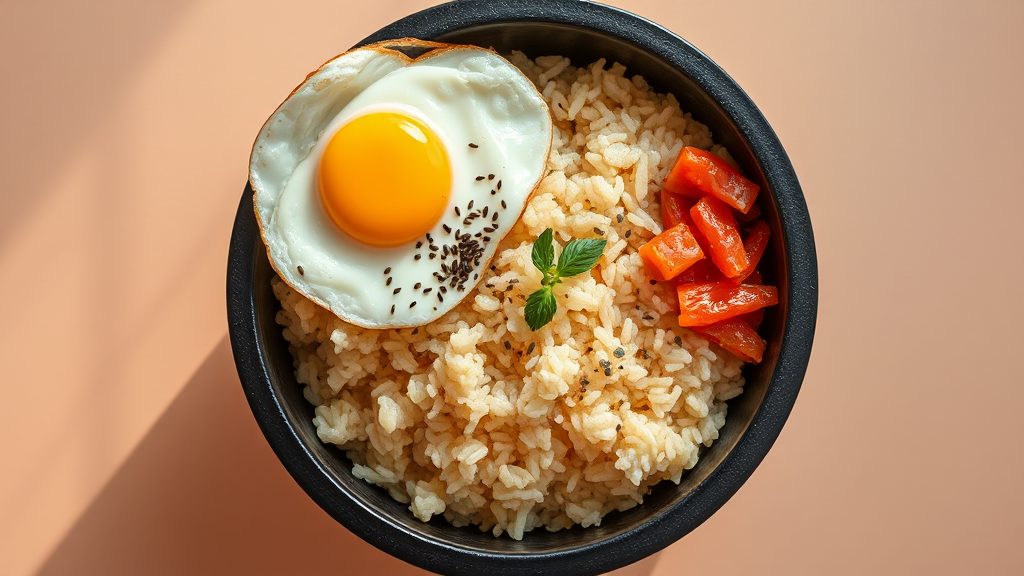
The other thing that sets Korean fried rice apart? The toppings. Almost every serving comes crowned with a fried egg — sunny side up, with a runny yolk that breaks over the rice and becomes a built-in sauce. It’s simple, but it transforms the whole dish.
Kimchi Fried Rice: The Most Popular Korean Fried Rice
Kimchi bokkeumbap is the undisputed king of Korean fried rice. It’s the version you’ll find on nearly every Korean restaurant menu, and it’s the one most people make at home. The concept is beautifully simple: chop up aged kimchi, fry it with some pork or spam, add cold leftover rice, season with sesame oil and maybe a touch of gochujang, and stir-fry everything together over high heat until the rice gets slightly crispy in spots.
The key to great kimchi fried rice is using kimchi that’s genuinely old and sour. Fresh, young kimchi won’t give you the same depth. When kimchi has been fermenting for a few weeks (or even months), it develops this incredible tangy, almost wine-like complexity that mellows out when it hits the hot pan. The lactic acid from fermentation creates a flavor that no amount of seasoning can replicate.
I’ve found that chopping the kimchi relatively fine works best — you want it distributed throughout the rice, not in big chunks that dominate individual bites. And don’t throw away the kimchi juice. Adding a splash of that brine to the pan is like adding liquid umami. It seasons the rice from the inside out.
A lot of recipes call for pork belly or ground pork, which adds richness and fat that the rice absorbs. But some of the best kimchi Korean fried rice I’ve made has been with diced spam, which is hugely popular in Korean cooking. The salty, slightly crispy edges of fried spam play so well against the tangy kimchi and nutty sesame oil.
Korean Fried Rice Variations Worth Trying
Kimchi fried rice gets most of the attention, but Korean fried rice comes in all kinds of delicious variations. Once you have the basic technique down — hot pan, cold rice, stir-fry fast — you can adapt it endlessly.
Spam fried rice (spam bokkeumbap): Spam holds a special place in Korean cuisine, a legacy of the post-Korean War era when American processed foods became integrated into Korean cooking. Diced spam, fried until crispy, mixed with rice, soy sauce, sesame oil, and vegetables — it’s simple, nostalgic for many Koreans, and honestly just really tasty. The saltiness of the spam means you barely need any additional seasoning.
Tuna fried rice (chamchi bokkeumbap): Canned tuna mixed with rice, vegetables, and a bit of gochujang or soy sauce. It’s a college dorm staple in Korea and one of those meals that proves you don’t need fancy ingredients to eat well. The tuna adds protein and a savory depth that works surprisingly well with the sesame-gochujang flavor profile.
Cheese fried rice: This one surprised me, but it’s genuinely popular in Korea. You make kimchi fried rice (or any variation), pile it onto a plate, and top it with a generous layer of shredded mozzarella that melts into the hot rice. The stretchy, mild cheese against the spicy, tangy kimchi fried rice is the kind of combination that shouldn’t work but absolutely does. Korean fusion at its finest.
Vegetable fried rice (yachae bokkeumbap): For a lighter version, Korean fried rice loaded with whatever vegetables you have — zucchini, carrots, corn, peas, bean sprouts. Seasoned with soy sauce, sesame oil, and a touch of garlic, it’s a great way to use up produce that’s been sitting in the fridge.
The Iconic Egg on Top (And Why It Matters)
You cannot talk about Korean fried rice without talking about the egg. A sunny-side-up fried egg on top of bokkeumbap isn’t just garnish — it’s essential to the experience. When you break that runny yolk and let it flow into the hot fried rice, it creates a rich, silky coating that ties everything together. The yolk adds fat, richness, and a mellow creaminess that balances the spicy, salty, tangy rice underneath.
Some restaurants and home cooks take it further by serving Korean fried rice in a hot stone bowl (dolsot), which creates a crispy layer of scorched rice on the bottom — similar to nurungji or the crust you get with bibimbap. The combination of crispy bottom rice, fluffy fried rice in the middle, and a runny egg on top gives you this incredible range of textures in every bite.
🥘 Restaurant-style tip: this is the stone bowl I’d pick →
As an Amazon Associate I earn from qualifying purchases.
I’ve also seen Korean fried rice served wrapped in a thin omelet — the rice is shaped into a mound, and a thin sheet of egg is draped over the top, then slashed open to reveal the fried rice inside. It’s a more presentation-forward approach, popular in Korean lunch spots. But for everyday cooking, a simple fried egg on top is perfect.
One tip: fry your egg in sesame oil instead of regular cooking oil. It adds a subtle nutty flavor that echoes the sesame in the rice itself. Small detail, big impact.
Tips for the Best Korean Fried Rice at Home
Korean fried rice is one of the most forgiving dishes you can make, but a few small things make the difference between good and great:
Use cold, day-old rice. This is the number one rule for any fried rice, Korean or otherwise. Freshly cooked rice is too moist and will turn your fried rice into a mushy, sticky mess. Rice that’s been in the fridge overnight has dried out just enough that it separates into individual grains when it hits the hot pan. If you don’t have leftover rice, cook a batch and spread it on a sheet pan in the fridge for at least an hour.
High heat is your friend. Korean fried rice needs a screaming hot pan. You want the rice to get slightly toasted and crispy in spots, not steamed. A wok is ideal, but a large skillet works great too. Don’t overcrowd the pan — if you’re making a big batch, do it in two rounds.
🍳 Kitchen upgrade: the right wok transforms your stir-fry game. This is a great wok option →
As an Amazon Associate I earn from qualifying purchases.
Season in layers. Don’t dump all your soy sauce or gochujang in at once. Add a little, toss, taste, add more. Korean fried rice should be well-seasoned but balanced — you want to taste the kimchi, the sesame, the rice, not just salt and spice.
Finish with sesame oil. Add the sesame oil at the very end, off the heat. Sesame oil burns easily and loses its flavor when overheated. A drizzle right before serving preserves that gorgeous nutty aroma.
Don’t forget the garnish. A sprinkle of toasted sesame seeds and sliced scallions over the top adds color, texture, and flavor. Korean food pays attention to these small finishing touches, and they really do make a difference.
🥢 Pantry staple: keep toasted sesame seeds within reach for namul, rice, and marinades. Grab the ones I use →
As an Amazon Associate I earn from qualifying purchases.
Korean Fried Rice Is the Perfect Everyday Meal
There’s a reason Korean fried rice is a staple in Korean homes. It’s fast — we’re talking 15 minutes start to finish. It’s economical — you’re literally using leftovers. It’s endlessly customizable — kimchi, spam, tuna, vegetables, cheese, whatever you have. And it’s genuinely delicious every single time.
As someone who makes her own kimchi regularly, Korean fried rice has become one of my most-cooked dishes. It’s the natural endpoint of the kimchi cycle: make a batch, eat it fresh for a couple weeks, then when it gets too sour, turn it into fried rice. There’s something really satisfying about that zero-waste loop — nothing goes to waste, and the “past its prime” kimchi actually produces the best fried rice.
If you’re just getting into Korean cooking, bokkeumbap is one of the most approachable places to start. You probably already have rice in your pantry. Grab a jar of kimchi, some sesame oil, and a couple of eggs, and you’re 15 minutes away from one of the most satisfying meals you can make. Top it with that runny fried egg, break the yolk, mix everything together, and I guarantee you’ll understand why Korean fried rice is a comfort food classic.