As an Amazon Associate I earn from qualifying purchases. This post contains affiliate links, which means I may earn a small commission — at no extra cost to you — if you buy through them. I only recommend things I believe are genuinely worth your time.
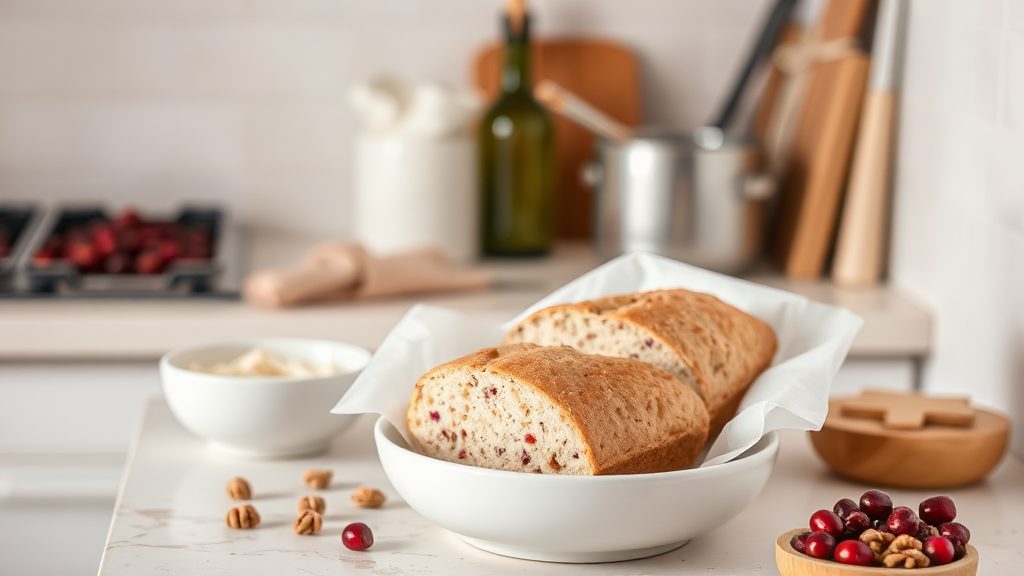
If you’ve been looking for a cranberry walnut sourdough bread recipe that combines tangy sourdough flavor with the sweetness of dried cranberries and the earthy crunch of toasted walnuts, you’re in the right place. This recipe walks you through every step of creating a beautiful, artisan-style loaf at home—from preparing your starter to pulling a golden, crackling loaf from your oven. Whether you’re an experienced sourdough baker or still finding your rhythm with fermentation times, this guide will help you master this delicious variation that’s perfect for breakfast toast, holiday tables, or sharing with neighbors as an act of hospitality and love.
Understanding Your Sourdough Starter Before You Begin
Before you dive into making cranberry walnut sourdough, you need an active, bubbly starter that’s been fed within the last 4-8 hours. Your starter should have doubled in size, smell pleasantly tangy (not overly sour or acetone-like), and show plenty of bubbles throughout when you peek at it from the side of the jar. If your starter has been in the refrigerator, bring it to room temperature and give it two feedings (about 12 hours apart) before using it in this recipe.
The quality of your starter directly affects your bread’s rise, texture, and flavor. A sluggish or underfed starter won’t give you the oven spring and open crumb you’re hoping for. Test your starter’s readiness with the float test: drop a small spoonful into a glass of water—if it floats, it’s full of gas and ready to leaven your dough. This simple check can save you from a dense, disappointing loaf and give you confidence as you begin mixing your ingredients.
The Complete Cranberry Walnut Sourdough Bread Recipe
This cranberry walnut sourdough bread recipe yields one large loaf (approximately 900 grams) with a beautiful balance of fruit and nuts throughout. Here’s what you’ll need:
Ingredients:
- 500g bread flour (or 450g bread flour + 50g whole wheat flour for added depth)
- 350g water at room temperature (70% hydration)
- 100g active sourdough starter (fed and at peak)
- 10g salt
- 120g dried cranberries (unsweetened or lightly sweetened)
- 100g raw walnuts, toasted and roughly chopped
Method:
Begin by combining the flour and water in a large bowl, mixing until no dry flour remains. Cover and let this rest for 30-60 minutes—this autolyse period allows the flour to fully hydrate and begins gluten development without any work from you. After the autolyse, add your active starter and mix thoroughly by hand, squeezing the mixture between your fingers until the starter is fully incorporated. Let this rest for another 20-30 minutes, then add the salt and mix again until the dough tightens slightly.
Now comes the bulk fermentation phase for your sourdough with cranberries and walnuts. Over the next 3-4 hours (timing depends on your kitchen temperature—aim for 75-78°F), you’ll perform four sets of stretch-and-folds, spaced 30 minutes apart. During the third stretch-and-fold, gently incorporate your toasted walnuts and cranberries, spreading them across the dough before folding. Don’t worry if some pop out—just tuck them back in. The fruit and nuts will distribute further during shaping.
After your final stretch-and-fold, let the dough rest undisturbed for the remaining bulk fermentation time. You’re looking for the dough to increase in volume by about 50%, show bubbles on the surface and around the edges, and have a slightly domed, puffy appearance. This walnut sourdough loaf needs adequate fermentation to develop flavor and structure, so don’t rush this step even if it takes longer than expected.
Shaping and Cold Proofing Your Fruit Sourdough Bread
Once bulk fermentation is complete, turn your dough out onto a lightly floured surface. Gently shape it into a round by folding the edges toward the center, then flip it seam-side down. Using your hands or a bench scraper, create tension on the surface by gently pulling the dough toward you in quarter turns. Let it rest for 20-30 minutes (this is called the bench rest), which relaxes the gluten and makes final shaping easier.
For final shaping, flip the dough seam-side up, gently stretch it into a rough rectangle, fold the sides in, then roll it up tightly from bottom to top. Place it seam-side up in a well-floured banneton or a bowl lined with a floured kitchen towel. Cover and refrigerate for 8-16 hours (overnight works perfectly). This cold proof develops deeper flavor, makes scoring easier, and fits conveniently into your schedule—you can bake fresh bread first thing in the morning.
The cold retard also allows the cranberries’ tartness to mellow slightly and their natural sugars to integrate with the dough, creating pockets of jammy sweetness in the finished loaf. The walnuts will toast further during baking, adding aromatic depth that fills your kitchen with an incredible fragrance.
How Long Should You Bake Cranberry Walnut Sourdough?
Your cranberry walnut sourdough should bake for approximately 45-50 minutes total—20 minutes covered, then 25-30 minutes uncovered until deeply golden. The two-stage baking process creates steam initially for maximum oven spring, then allows the crust to develop its signature crackle and color.
About 45 minutes before you’re ready to bake, preheat your oven to 500°F with a Dutch oven inside. When the oven is thoroughly heated, carefully remove your dough from the refrigerator, turn it out onto a piece of parchment paper, and score the top with a sharp blade or lame—a simple slash down the middle works beautifully, or create a decorative pattern if you’re feeling artistic. Transfer the dough (on the parchment) into the screaming-hot Dutch oven, cover with the lid, and immediately reduce the oven temperature to 450°F.
After 20 minutes, remove the lid and continue baking until the crust is deeply caramelized—don’t be afraid of dark color, as this develops incredible flavor. The internal temperature should reach 205-210°F. Remove the loaf from the Dutch oven and let it cool on a wire rack for at least one hour before slicing. I know the wait is difficult when your house smells like a artisan bakery, but cutting too soon releases steam that the crumb needs to set properly.
Troubleshooting Common Issues with Walnut Sourdough Loaf
Even experienced bakers encounter challenges, so don’t be discouraged if your first attempt isn’t perfect. If your loaf comes out dense with poor oven spring, the most common culprits are underfermented dough (it didn’t rise enough during bulk) or a weak starter. Make sure your starter is truly at peak activity—it should smell fresh and yeasty, not overly sour, and should have plenty of visible bubble activity.
If cranberries or walnuts burst through the surface during baking, you may have added them too late in the process or shaped too aggressively. Incorporate the add-ins gently during the third stretch-and-fold, and use a lighter touch when shaping—you want to create surface tension without squeezing ingredients through the dough skin. Some cranberries on the exterior will caramelize beautifully and add visual interest, so a few showing through isn’t necessarily a problem.
For a gummy crumb that seems underbaked even though the crust looks done, your dough may have been overhydrated or you sliced it too soon. The 70% hydration in this recipe is moderate and manageable, but if you’re in a humid climate or using a particularly thirsty flour, you might need to reduce the water by 10-20 grams. Always let your bread cool completely—that resting time allows moisture to redistribute and the crumb structure to fully set.
Serving Suggestions and Storage Tips
This cranberry walnut sourdough bread recipe produces a versatile loaf that shines in multiple contexts. Toast thick slices and spread with butter or cream cheese for breakfast, or serve it alongside homemade soups and stews for a satisfying dinner. The subtle sweetness from the cranberries makes it wonderful with sharp cheeses—try it with aged cheddar or a tangy goat cheese for a simple but elegant snack.
During the holiday season, this fruit sourdough bread makes a thoughtful gift for neighbors, church members, or anyone who could use an extra dose of homemade kindness. There’s something deeply meaningful about sharing bread—it echoes the biblical imagery of breaking bread together in fellowship and community. When you give someone a loaf you’ve spent two days nurturing, you’re offering not just food but time, care, and a tangible expression of love.
Store your loaf cut-side down on a cutting board at room temperature for 2-3 days. For longer storage, slice and freeze individual portions in a freezer bag for up to three months. Toast frozen slices directly from the freezer for quick breakfasts throughout the week. The walnuts’ healthy fats and the sourdough’s natural fermentation make this bread more nutritious and digestible than standard yeasted breads, while the cranberries add antioxidants and a pop of tartness in every bite.
Embracing the Slow Process of Sourdough
In a world that constantly pushes us toward faster, easier, and more convenient, sourdough baking invites us into a different rhythm. You can’t rush fermentation—you have to wait, observe, and respond to what the dough is telling you. This patient process can become a form of worship, a reminder that good things take time and that we’re not always in control of the timeline. As you fold your dough and watch it slowly transform, you’re participating in a miracle of creation that’s been nourishing humanity for thousands of years.
Making bread from scratch also connects us to the countless generations who’ve kneaded dough before us, including the women and men of Scripture who prepared daily bread for their families. When Jesus called Himself the Bread of Life, His listeners understood bread’s fundamental importance—it wasn’t a luxury or an afterthought but the foundation of every meal, the sustenance that kept communities alive. When you pull a golden loaf from your oven, you’re touching that ancient tradition and creating nourishment that feeds both body and soul.
This cranberry walnut sourdough brings together the tangy complexity of natural fermentation, the chewy satisfaction of toasted nuts, and the bright sweetness of dried fruit in every slice. Whether you’re baking for your family’s breakfast table, preparing for a holiday gathering, or simply enjoying the meditative process of working with your hands, this recipe rewards your patience with a loaf that’s both beautiful and delicious. The journey from starter to finished bread takes time, but the result—a crusty, flavorful loaf that fills your home with warmth—is always worth the wait. If you’re looking for more ways to bring intentional, from-scratch cooking into your home, explore other recipes and encouragement that celebrate the goodness of simple, nourishing food made with care.