As an Amazon Associate I earn from qualifying purchases. This post contains affiliate links, which means I may earn a small commission — at no extra cost to you — if you buy through them. I only recommend things I believe are genuinely worth your time.
If you’ve ever tasted the savory, umami-rich flavors of Korean seafood recipes, you know there’s something uniquely satisfying about how Korean cuisine transforms ocean ingredients into unforgettable dishes. From tender shrimp glazed in spicy gochujang to perfectly grilled mackerel and stir-fried squid with vegetables, Korean seafood cooking brings together bold seasonings, simple techniques, and fresh ingredients that make weeknight dinners feel special. Whether you’re already comfortable with Korean cooking or just beginning to explore these flavors, mastering a handful of classic seafood preparations will expand your recipe repertoire and bring restaurant-quality meals to your home kitchen.
🌶️ No gochujang on hand? It’s worth buying the real thing rather than substituting — this is the gochujang I use →
As an Amazon Associate I earn from qualifying purchases.
Korean coastal communities have perfected seafood cooking over centuries, developing methods that highlight natural flavors while adding layers of heat, tang, and depth. The beauty of these recipes lies in their accessibility—most require just a few key Korean pantry staples and straightforward cooking methods that don’t demand advanced skills. You’ll find that once you understand the basic flavor profiles and techniques, you can adapt these dishes to whatever seafood looks freshest at your local market.
Essential Ingredients for Korean Seafood Cooking
Before diving into specific recipes, you’ll want to stock your pantry with a few foundational Korean ingredients that appear repeatedly in seafood preparations. Gochugaru (Korean red pepper flakes) provides the distinctive heat that’s less sharp than cayenne but more complex, with a slightly sweet, smoky quality. Gochujang (fermented red pepper paste) adds both spice and depth with its rich, savory-sweet profile. Doenjang (fermented soybean paste) brings umami punch to stews and braised dishes, while regular soy sauce and sesame oil round out the flavor base.
🫙 Pantry staple: a good doenjang makes doenjang jjigae taste like the real thing. Grab the one I keep on hand →
As an Amazon Associate I earn from qualifying purchases.
🥢 Finishing touch: a good toasted sesame oil is what makes these dishes taste like the real thing. Grab the one I reach for →
As an Amazon Associate I earn from qualifying purchases.
🌶️ Stocking your Korean pantry? Good gochugaru is the one ingredient worth ordering online — this coarse Korean red pepper powder is the one I keep on hand →
As an Amazon Associate I earn from qualifying purchases.
For aromatics, garlic and ginger are non-negotiable—Korean cooking uses them generously. Green onions appear in nearly every dish, added both during cooking and as a fresh garnish. Perilla leaves (kkaennip) make a wonderful addition to seafood when you can find them, though they’re optional. Rice wine or mirin helps balance flavors and tenderize proteins. With these basics on hand, you’re equipped to tackle most korean seafood recipes without making special trips to the store.
🍶 Staple: mirin lasts a long time and shows up in tons of these recipes. Grab the one I reach for →
As an Amazon Associate I earn from qualifying purchases.
When selecting seafood itself, freshness matters more than variety. Koreans cook with whatever the ocean provides—shrimp, squid, octopus, various fish, clams, mussels, and more. Don’t hesitate to substitute one type of seafood for another based on what looks best or what’s on sale. The cooking methods and seasonings adapt beautifully across different proteins.
Spicy Korean Shrimp Stir-Fry (Saeubokkeum)
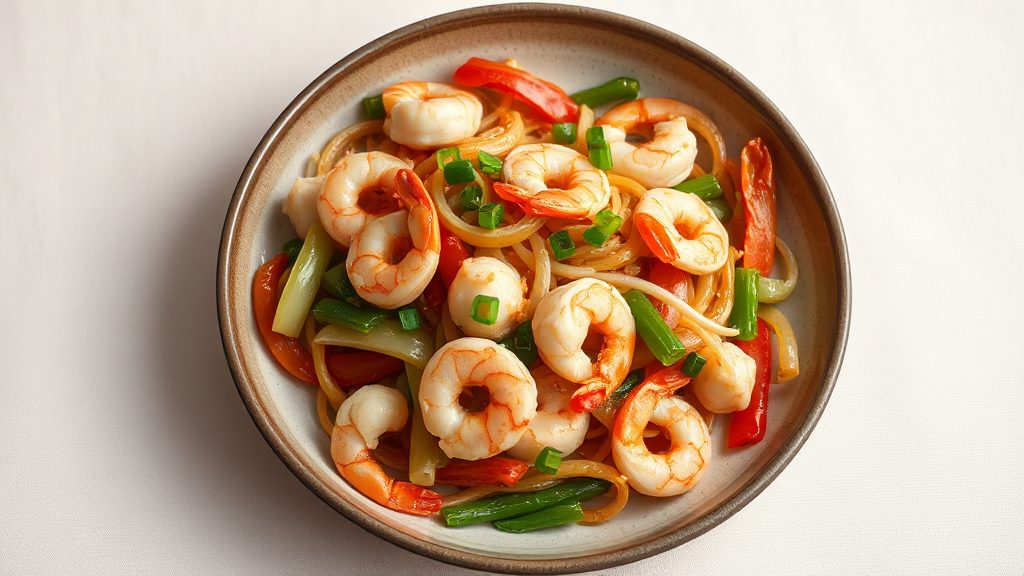
This korean shrimp recipe delivers maximum flavor with minimal effort, making it perfect for busy weeknights when you want something more exciting than basic grilled protein. Saeubokkeum features shrimp coated in a glossy, spicy-sweet sauce that clings to every curve of the shellfish. The dish comes together in under 15 minutes once your prep work is done.
Start with about a pound of medium to large shrimp, peeled and deveined. Mix your sauce in a small bowl: two tablespoons gochugaru, one tablespoon gochujang, two tablespoons soy sauce, one tablespoon rice wine, one tablespoon sugar or honey, and one tablespoon sesame oil. Mince four cloves of garlic finely. Heat a large skillet or wok over high heat with a tablespoon of neutral oil. When the oil shimmers, add the garlic and stir for about 20 seconds until fragrant but not browned.
🍳 Worth it: a proper wok heats fast and evenly for real wok hei. Check out this wok →
As an Amazon Associate I earn from qualifying purchases.
Toss in the shrimp and stir-fry for two minutes until they start turning pink. Pour in your prepared sauce and continue cooking, stirring constantly, for another two to three minutes until the shrimp are fully cooked and the sauce has thickened slightly. The high heat creates a light caramelization that deepens the flavors. Finish with sliced green onions and toasted sesame seeds. Serve this over steamed rice with cucumber kimchi on the side for a complete meal that satisfies cravings for bold, spicy flavors.
🥢 Garnish tip: a sprinkle of toasted sesame seeds finishes almost every banchan. This is the one I buy →
As an Amazon Associate I earn from qualifying purchases.
The key to perfect saeubokkeum is not overcooking the shrimp—they should be just opaque and still tender. If you prefer less heat, reduce the gochugaru by half or add a splash more honey to balance the spice. Some cooks add vegetables like sliced onions, carrots, or bell peppers to stretch the dish further and add textural variety.
Classic Grilled Mackerel (Godeungeo Gui)
Among korean fish dishes, grilled mackerel stands out for its simplicity and robust flavor. Koreans prize mackerel for its rich, oily flesh that stays moist during cooking and its affordability compared to other fish. Godeungeo gui requires almost no seasoning—just salt and heat—because the fish itself provides all the flavor you need.
Purchase whole mackerel if possible, cleaned and butterflied, or buy pre-cut fillets. Pat the fish completely dry with paper towels, then salt both sides generously. Let it sit for 10-15 minutes so the salt can penetrate the flesh. Meanwhile, preheat your grill, grill pan, or broiler to high heat. Koreans traditionally use a wire mesh rack over a gas burner, but any high-heat cooking method works.
🔥 Grill tip: this is a great Korean BBQ grill pan →
As an Amazon Associate I earn from qualifying purchases.
Cook the mackerel skin-side down first for about four to five minutes without moving it, allowing the skin to crisp and release naturally from the cooking surface. Flip carefully and cook the flesh side for another three to four minutes. The fish is done when the flesh flakes easily and the skin has developed a crispy, slightly charred exterior. The natural oils in mackerel mean you don’t need added fat for cooking.
Serve godeungeo gui as Koreans do: with steaming rice, a simple lettuce or perilla leaf salad, ssamjang (fermented bean and pepper paste) for dipping, and several banchan (side dishes). The combination of rich, salty fish with crisp vegetables and pungent ssamjang creates a perfectly balanced meal. Mackerel bones are edible when grilled crispy, though you can certainly pick around them if you prefer.
Stir-Fried Squid with Vegetables (Ojingeo Bokkeum)
When exploring squid recipes from Korean cuisine, ojingeo bokkeum ranks as one of the most popular preparations. This dish balances the tender, slightly chewy texture of squid with crunchy vegetables and a fiery gochugaru-based sauce. The result is a satisfying plate that’s equally delicious served hot over rice or cold as a banchan the next day.
Clean one pound of squid by removing the head, beak, and internal quill, then slice the bodies into rings about half an inch wide and the tentacles into bite-sized pieces. If you prefer to skip the cleaning process, purchase pre-cleaned squid tubes and tentacles. For vegetables, julienne one medium onion, one carrot, and half a small cabbage. Slice two green onions into one-inch pieces and mince four garlic cloves.
Prepare your sauce by combining three tablespoons gochugaru, two tablespoons gochujang, three tablespoons soy sauce, one tablespoon sugar, one tablespoon rice wine, and one tablespoon sesame oil. Heat two tablespoons of neutral oil in a large wok or skillet over high heat. Add the garlic and stir briefly, then add the onion and carrot. Stir-fry for two minutes until slightly softened. Add the squid and cook for another two minutes, stirring constantly.
Pour in your sauce and add the cabbage and green onions. Continue stir-frying for three to four more minutes until the squid is fully cooked (it will turn opaque white) and the vegetables are tender-crisp. Squid cooks quickly and becomes rubbery if overcooked, so watch your timing carefully. The sauce should coat everything in a glossy, spicy glaze. Sprinkle with sesame seeds before serving.
This preparation method works equally well with octopus, shrimp, or a seafood mixture. Some versions include rice cakes (tteok) or sweet potato noodles (dangmyeon) to make the dish more substantial. The leftovers reheat beautifully and often taste even better the next day once the flavors have melded.
🍜 Glass noodles (dangmyeon) are the springy sweet-potato noodles that make japchae shine. Here’s the ones I use →
As an Amazon Associate I earn from qualifying purchases.
🍡 Shortcut: shelf-stable rice cakes soften right up in sauce — no Korean market trip needed. This is the one I buy →
As an Amazon Associate I earn from qualifying purchases.
What Makes Korean Seafood Stew Different from Other Seafood Soups?
Korean seafood stews like haemul jjigae are distinguished by their bold, spicy broth made with gochugaru and gochujang, creating a deep red color and complex heat that’s both fiery and slightly sweet. Unlike French bouillabaisse or Italian cioppino, which rely on tomatoes, wine, and herbs, Korean versions build flavor from fermented pastes, anchovy stock, and garlic, resulting in an intensely savory, umami-rich base that’s unmistakably Korean.
To make a proper haemul jjigae at home, start with your broth base. Combine four cups of water or light anchovy stock with two tablespoons gochugaru, one tablespoon gochujang, one tablespoon doenjang, two tablespoons soy sauce, and one tablespoon minced garlic. Bring this to a boil, then reduce to a simmer for ten minutes to develop the flavors. The fermented pastes need time to break down and blend into the broth.
Add your seafood in stages based on cooking time. Firm fish pieces and clams go in first, simmering for about five minutes. Then add shrimp, squid, and mussels, cooking for another three to four minutes. Finally, add soft tofu cut into cubes, sliced zucchini, mushrooms, and green onions. Simmer just until the vegetables are tender and all the shellfish have opened. The stew should be loaded with seafood and vegetables—not just a brothy soup with a few pieces floating around.
Season to taste with additional soy sauce or salt if needed. Some cooks add a beaten egg in the final minute, stirring it into the hot broth to create silky ribbons. Serve the stew bubbling hot in the pot it was cooked in, accompanied by rice and kimchi. The communal aspect of eating from a shared pot placed in the center of the table is part of the traditional experience.
Pan-Fried Whole Fish (Saengseon Jeon)
Saengseon jeon showcases another approach to korean fish dishes—coating fish fillets in a light egg batter and pan-frying them until golden and crispy. This technique works with almost any white fish: flounder, cod, pollock, sole, or tilapia. The egg coating creates a delicate, protective layer that keeps the fish incredibly moist while providing textural contrast.
Pat your fish fillets completely dry and season both sides with salt and pepper. Let them sit for a few minutes. Set up a coating station with a plate of flour, a bowl of beaten eggs (two to three eggs should be sufficient for four fillets), and your prepared fish. Dredge each fillet lightly in flour, shaking off any excess, then dip it completely in the beaten egg, letting excess drip off.
Heat a thin layer of neutral oil in a large skillet over medium heat. When the oil is hot but not smoking, carefully lay the egg-coated fillets in the pan. Cook for three to four minutes per side until the egg coating turns golden brown and the fish is cooked through. The coating should be crispy at the edges and tender in the middle. Work in batches if necessary to avoid crowding the pan, which would cause steaming instead of frying.
Serve saengseon jeon with a simple dipping sauce made from soy sauce, rice vinegar, and a pinch of gochugaru, or use the classic cho-ganjang (soy sauce with vinegar). This preparation method is particularly popular during Korean holidays and celebrations, often appearing as part of an elaborate spread. The technique is so versatile that once you master it with fish, you can apply the same egg-coating method to vegetables, meat, or tofu for other types of jeon.
🫙 Pantry tip: a good ganjang makes a real difference in marinades and soups. This is the soy sauce I buy →
As an Amazon Associate I earn from qualifying purchases.
🍚 Need rice vinegar? Its mild, clean tang is perfect for pickles, dressings, and dipping sauces. Here’s the bottle I use →
As an Amazon Associate I earn from qualifying purchases.
Building Complete Korean Meals Around Seafood
Understanding how to compose a full Korean meal elevates your seafood cooking from single dishes to satisfying dining experiences. Traditional Korean meals follow a basic structure: rice (bap), soup or stew (guk or jjigae), a main protein dish, and several banchan (small side dishes). When seafood serves as your main protein, you’ll want to consider flavor balance and textural variety across all the components.
If you’re serving a spicy dish like saeubokkeum or ojingeo bokkeum, balance the heat with mild banchan such as seasoned spinach (sigeumchi namul), braised potatoes (gamja jorim), or cucumber salad. Include something fermented—kimchi is the obvious choice, but you might also serve kkakdugi (cubed radish kimchi) or nabak kimchi (water kimchi) for a lighter option. A clear soup like miyeok guk (seaweed soup) or kongnamul guk (bean sprout soup) provides contrast if your main seafood dish is saucy or rich.
For grilled fish like godeungeo gui, which is already salty and rich, you’ll want fresh, crisp elements on the table. Prepare a simple lettuce or perilla leaf platter for wrapping, along with sliced raw garlic, green chili peppers, and ssamjang for building ssam (wraps). Add a tangy, spicy jjigae like kimchi jjigae or doenjang jjigae to round out the meal. The interplay of grilled fish, fresh vegetables, pungent pastes, and hot soup creates a deeply satisfying eating experience.
Don’t feel obligated to prepare everything from scratch for every meal. Koreans frequently purchase certain banchan from markets or keep prepared items in the refrigerator to pull out as needed. Focus your energy on cooking the seafood well, prepare one or two simple sides, and serve good quality store-bought kimchi. As you become more comfortable with Korean cooking techniques, you’ll naturally expand your banchan repertoire and develop favorites that you prepare in batches.
Tips for Sourcing and Handling Seafood
Success with korean seafood recipes starts at the market. Look for seafood with clear eyes (for whole fish), firm flesh that springs back when pressed, and a clean ocean smell rather than a fishy odor. When buying squid, the flesh should be firm and white with intact purple-brown skin. Shrimp should be translucent and firm, not mushy or discolored. If you’re unsure about freshness, ask the fishmonger when the item arrived and don’t hesitate to request a smell test before purchasing.
Asian markets typically offer the best selection and prices for seafood commonly used in Korean cooking—mackerel, squid, whole fish, and shellfish. These markets often carry items already prepared for Korean recipes: cleaned squid, butterflied mackerel, or pre-portioned fish fillets. The staff usually has experience with these products and can offer preparation advice if you’re uncertain about cleaning or cutting techniques.
Store fresh seafood in the coldest part of your refrigerator and use it within 24 hours of purchase for best results. If you can’t cook it immediately, freezing is better than letting it sit. Properly wrapped fish and shellfish freeze well for up to three months. Thaw frozen seafood gradually in the refrigerator overnight rather than at room temperature, which encourages bacterial growth and degrades texture.
When working with whole fish, don’t discard the bones and heads—save them for making stock. A simple seafood stock enhances any Korean soup or stew: simmer fish bones and heads with onion, garlic, radish, and kelp for 30 minutes, then strain. This stock provides much more flavor than water and costs nothing since you’re using parts that would otherwise be thrown away.
🌊 Broth tip: a few pieces of dashima transform plain water into savory stock. This is the kelp I buy →
As an Amazon Associate I earn from qualifying purchases.
Bringing Korean Seafood Recipes Into Your Regular Rotation
Once you’ve tried a few of these preparations, you’ll likely find that Korean seafood recipes become regular features in your weekly meal planning. The techniques are straightforward enough for weeknight cooking but impressive enough for entertaining guests. Start with one or two dishes that appeal to you most—perhaps the quick shrimp stir-fry if you love spice, or the simple grilled mackerel if you prefer letting ingredients speak for themselves.
As you cook these dishes repeatedly, you’ll develop your own preferences and adjustments. Maybe you’ll discover you prefer your ojingeo bokkeum with extra vegetables, or that you like adding a splash of rice vinegar to your saeubokkeum sauce for brightness. Korean cooking rewards this kind of personalization while maintaining its essential character through core ingredients and techniques.
The beauty of Korean seafood cooking lies in its accessibility and adaptability. You don’t need specialized equipment beyond basic pots, pans, and a good knife. The ingredients, while distinctly Korean, are increasingly available at mainstream grocery stores, and those that aren’t can be ordered online. Most importantly, these recipes deliver outsized flavor impact for relatively simple techniques, making them perfect for home cooks who want restaurant-quality results without professional training.
Whether you’re expanding your cooking skills or deepening your connection to Korean cuisine through exploration of its food culture,