As an Amazon Associate I earn from qualifying purchases. This post contains affiliate links, which means I may earn a small commission — at no extra cost to you — if you buy through them. I only recommend things I believe are genuinely worth your time.
If you’ve been searching for a fresh alternative to traditional book tracking platforms, you’ve probably wondered: what is StoryGraph? StoryGraph is a relatively new book discovery and tracking platform that’s rapidly gaining popularity among readers who want more personalized recommendations and deeper insights into their reading habits. Unlike generic book tracking apps, StoryGraph uses sophisticated algorithms to understand not just what you read, but how books make you feel, creating a uniquely tailored reading experience that goes far beyond simple star ratings.
Whether you’re a casual reader or someone who devours dozens of books each year, understanding what makes StoryGraph special can transform how you discover your next great read. Let’s explore everything this innovative platform has to offer and whether it deserves a place in your reading routine.
Understanding What StoryGraph Is and How It Works
At its core, StoryGraph is a book tracking and recommendation platform created by Nadia Odunayo in 2019. What sets it apart from other reading apps is its emphasis on mood-based discovery and granular reading statistics. Instead of relying solely on genre classifications and average ratings, the platform asks you to describe books using emotional tags like “adventurous,” “dark,” “lighthearted,” or “reflective.”
When you create an account, you’ll start by rating books you’ve already read and tagging them with mood descriptors and pace indicators (slow, medium, or fast). The platform then analyzes these preferences to suggest books that match not just your genre interests, but your current reading mood. If you’re looking for something uplifting after finishing a heavy dystopian novel, StoryGraph can adjust its recommendations accordingly.
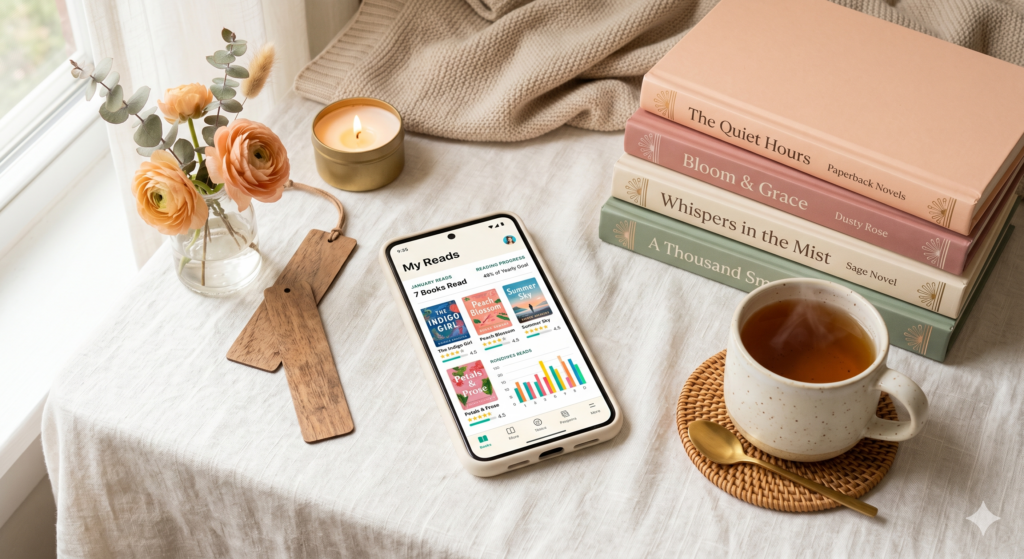
The storygraph app also tracks detailed statistics about your reading habits. You’ll see breakdowns of how many pages you’ve read per month, your average book rating, the diversity of authors you’re reading, and even patterns in the types of books you gravitate toward during different times of year. This level of insight makes it easy to set meaningful reading goals and understand your preferences at a deeper level.
The platform works both as a website and a mobile app, syncing seamlessly across devices. You can import your reading history from Goodreads with just a few clicks, making the transition painless if you’re coming from another platform. For book lovers who enjoy tracking their reading journey, this comprehensive approach offers far more value than a simple list of finished titles.
The Key Features That Make StoryGraph Stand Out
What makes this book tracking app truly special are the features designed specifically with readers’ actual needs in mind. The mood and pace tagging system is perhaps the most distinctive element. When you finish a book, you’re prompted to describe it across multiple dimensions: Was it funny or serious? Fast-paced or slow-burn? Hopeful or bleak? These tags create a nuanced profile that helps the algorithm understand your preferences far better than simple genre categories ever could.
The recommendation engine uses this data to provide suggestions that feel genuinely personalized. You can filter recommendations by mood, pace, page count, and even content warnings—a feature that’s particularly valuable if you’re avoiding specific triggers or themes. The platform also shows you a “match percentage” for each recommended book, giving you confidence that the suggestion aligns with your tastes.
Another standout feature is the reading challenges system. Beyond the basic “read X books this year” goal, you can create custom challenges like “read 12 books by Asian authors” or “finish 6 books over 500 pages.” The platform tracks your progress automatically and even suggests books that fit your challenge criteria. This gamification element makes reading goals feel achievable and fun rather than overwhelming.
The statistics dashboard deserves special mention. You’ll find visualizations showing your reading pace over time, your most-read genres, the average page count of books you complete, and even the percentage of books you rate highly versus those you abandon. For data-minded readers, these insights reveal patterns you might never notice otherwise. You might discover, for example, that you consistently rate fantasy books higher in the summer months, or that you tend to abandon books around the 100-page mark if they haven’t grabbed you.
The buddy reads feature lets you coordinate reading the same book with friends, complete with discussion prompts and progress tracking. There’s also a robust content warning system where community members can flag potential triggers, making it easier to choose books that align with your comfort level. These thoughtful touches show that StoryGraph was built by someone who genuinely understands the reading community’s needs.
StoryGraph vs Goodreads: How Do They Compare?
The StoryGraph vs Goodreads debate has become increasingly common in reading communities, and for good reason. While Goodreads has been the dominant platform for years with its massive user base and extensive review database, StoryGraph offers several compelling advantages that are winning over longtime Goodreads users.
Goodreads excels at social features and community building. With millions of active users, you’ll find more reviews, more reading groups, and a larger network of friends to connect with. The author Q&A sections and giveaways are robust, and the sheer volume of user-generated content means you can find opinions on virtually any book. However, many users find Goodreads’ recommendation algorithm frustratingly basic, often suggesting books simply because they’re popular or in the same genre as something you rated highly.
StoryGraph, while smaller, focuses on quality over quantity in its recommendations. The mood-based system produces suggestions that feel more thoughtful and personalized. Users consistently report discovering books they would never have found through Goodreads’ algorithm. The statistics features on StoryGraph are also significantly more detailed and useful than Goodreads’ annual reading challenge counter.
Privacy is another consideration. StoryGraph is independently owned and ad-free (supported through a Patreon model), while Goodreads is owned by Amazon and integrates heavily with its ecosystem. Some readers prefer StoryGraph’s commitment to user privacy and independence from major tech corporations.
That said, Goodreads still wins for social reading. If you value reading groups, author interactions, and a large network of reader friends, Goodreads remains stronger in these areas. Many readers actually use both platforms: Goodreads for social features and community engagement, and StoryGraph for personalized recommendations and reading statistics. There’s no rule saying you must choose only one.
Is StoryGraph Free, and What Do You Get With the Paid Version?
Yes, StoryGraph offers a completely free tier that includes most of the core functionality. You can track your reading, get personalized recommendations, view basic statistics, participate in reading challenges, and use the mood-based discovery features without paying anything. This makes it accessible for casual readers who want to try the platform without commitment.
The paid StoryGraph Plus membership (currently $4.99 per month or $50 annually) unlocks additional features primarily focused on enhanced statistics and customization. Paid members get access to more detailed reading insights, the ability to create unlimited custom book tags, advanced filtering options, and early access to new features. You can also hide the “Support StoryGraph” banner and get priority customer support.
For most readers, the free version provides everything needed for effective book tracking and discovery. The paid tier is best suited for statistics enthusiasts who want the deepest possible insights into their reading patterns, or for users who want to support the platform’s continued development. Unlike some apps that lock essential features behind paywalls, StoryGraph keeps its core value proposition freely accessible.
The platform also accepts one-time donations and has a Patreon for those who want to support development without committing to a monthly subscription. This community-supported model has helped StoryGraph remain independent and focused on user needs rather than advertiser demands.
How Do You Get Started With StoryGraph?
Beginning your journey with the storygraph app is straightforward and takes just a few minutes. Start by visiting thestorygraph.com and creating an account with your email address. You’ll immediately be prompted to answer a few questions about your reading preferences: favorite genres, whether you prefer character-driven or plot-driven stories, and the typical pace you enjoy.
The next crucial step is importing your reading history if you’re coming from Goodreads or another platform. StoryGraph makes this painless with a direct import tool. Simply export your Goodreads library (there’s a clear guide on StoryGraph explaining exactly how), then upload the CSV file to StoryGraph. Within minutes, your entire reading history appears in your new account, complete with ratings and dates.
After importing, spend some time adding mood tags and pace ratings to your favorite books. This doesn’t need to be exhaustive—even tagging 10-15 books helps the algorithm understand your preferences. Focus on books that strongly represent your tastes, both positive and negative. If you despised a particular slow-burn romance, tag it accordingly so StoryGraph knows to avoid similar recommendations.
Set up your first reading challenge to give yourself a goal. Start simple—perhaps “read 24 books this year” or “read 12 books by women authors.” You can always add more challenges later as you get comfortable with the platform. The goal is to create a framework that motivates without overwhelming you.
Explore the recommendation section using different filters. Try searching for books that match a specific mood you’re craving, or filter by page count if you’re looking for a quick read versus a lengthy commitment. The more you interact with the platform—rating books, marking them as read, and updating your preferences—the better your recommendations become. Just like building any new habit, consistency with logging your reading pays off in increasingly accurate suggestions.
Download the mobile app for convenient on-the-go tracking. Being able to log a finished book immediately after closing it, while your impressions are fresh, leads to more accurate mood tagging and ratings. Many readers also appreciate scanning ISBN barcodes to quickly add books they encounter in bookstores or libraries.
What Are the Limitations You Should Know About?
While StoryGraph excels in many areas, it’s important to understand its current limitations. The social features, while improving, remain less developed than Goodreads. The user base is smaller, which means fewer reviews for obscure titles and potentially fewer friends already on the platform. If your reading life centers around vibrant group discussions and author interactions, you might find this aspect lacking.
The book database, while extensive, occasionally has gaps for very new releases or extremely obscure titles. The platform relies partly on community additions, so sometimes you’ll need to manually add a book’s details yourself. This is particularly true for self-published works or regional publications. The process isn’t difficult, but it’s an extra step that Goodreads’ massive database rarely requires.
Some users find the interface slightly less intuitive than Goodreads initially, though most adapt quickly. The emphasis on mood tagging, while powerful, does require more effort than simply rating books with stars. If you prefer minimal input and maximum convenience, this additional categorization might feel like work rather than enhancement.
The recommendation algorithm, though sophisticated, needs time and data to reach its full potential. Your first suggestions might feel generic until you’ve rated and tagged enough books for the system to understand your preferences. New users should expect a learning period of a few weeks before recommendations become notably personalized.
There’s also no integrated e-reader or purchase functionality, which some readers miss. StoryGraph is purely for tracking and discovery—you’ll need to acquire books through your preferred retailers or libraries separately. This is actually intentional, keeping the platform independent from commercial pressures, but it does mean an extra step between finding a book and actually reading it.
Making the Most of Your StoryGraph Experience
Understanding what is StoryGraph and how to leverage its unique features can genuinely transform your reading life. The platform represents a new generation of book tracking apps that prioritize personalization and meaningful insights over sheer social network size. By focusing on mood-based recommendations and detailed statistics, it helps you understand not just what you read, but why certain books resonate while others fall flat.
The key to success with StoryGraph is consistent engagement. Make a habit of logging books as you finish them, taking the extra minute to add mood tags and pace ratings. These small investments compound over time into increasingly accurate recommendations and fascinating insights about your reading patterns. You might discover that you consistently choose contemplative books during stressful periods, or that your reading pace accelerates during certain months.
Don’t hesitate to use StoryGraph alongside other platforms if that serves your needs better. Many readers maintain a Goodreads account for social features while relying on StoryGraph for discovery and statistics. There’s no competition—use whatever tools help you read more of what you love and connect with books in meaningful ways.
Whether you’re a longtime Goodreads user looking for better recommendations or someone just starting to track their reading journey, this storygraph review should give you everything needed to make an informed decision. The platform offers a refreshing approach that respects readers’ complexity—acknowledging that we don’t just read genres, we read moods, moments, and feelings. For anyone serious about discovering their next favorite book, it’s absolutely worth exploring what StoryGraph has to offer.