As an Amazon Associate I earn from qualifying purchases. This post contains affiliate links, which means I may earn a small commission — at no extra cost to you — if you buy through them. I only recommend things I believe are genuinely worth your time.
If you’re looking for a versatile, healthy vegetable that’s a staple in Korean kitchens, zucchini is your answer—and learning a Korean zucchini recipe will transform the way you think about this humble squash. Korean cooks have perfected several simple yet flavorful methods for preparing zucchini (called “hobak” in Korean), from quick pan-fried slices to refreshing cold salads that burst with garlic and sesame. Whether you’re exploring Korean cuisine for the first time or looking to expand your home cooking repertoire, these three classic preparation methods will give you the foundation to create restaurant-quality Korean side dishes in your own kitchen.
Korean zucchini preparations are incredibly forgiving for beginners, require minimal ingredients you probably already have, and complement nearly any main dish. Let’s dive into the techniques that Korean home cooks use every day to turn simple zucchini into something extraordinary.
Understanding Korean Zucchini and Its Place in Korean Cooking
Korean courgette differs slightly from the typical dark green zucchini you find in Western supermarkets. The Korean variety, called “aehobak,” tends to be lighter in color with a slightly sweeter, more delicate flavor and softer texture when cooked. However, you can absolutely use regular zucchini or any summer squash variety for these recipes—the cooking methods work beautifully with whatever type you have available.
In Korean cuisine, zucchini appears in countless dishes: sliced and pan-fried as a banchan (side dish), added to jjigae (stews), included in buchimgae (savory pancakes), and prepared as namul (seasoned vegetable dishes). The vegetable’s mild flavor makes it an excellent canvas for the bold seasonings Korean cooking is known for—garlic, sesame oil, gochugaru (red pepper flakes), and soy sauce all complement zucchini perfectly.
🥢 One upgrade that matters: cheap sesame oil tastes flat — a real toasted one is nutty and fragrant. This is the toasted sesame oil I use →
As an Amazon Associate I earn from qualifying purchases.
🌶️ Can’t find gochugaru locally? You’re not alone — it’s a specialty item most stores don’t carry. Here’s the coarse Korean red pepper powder I order →
As an Amazon Associate I earn from qualifying purchases.
One important tip for working with zucchini in Korean recipes: salt it first if you’re pan-frying or making namul. Zucchini contains significant water content, and salting draws out excess moisture, preventing soggy results and concentrating the vegetable’s natural sweetness. This simple step, which takes just 10-15 minutes, makes a dramatic difference in your final dish’s texture and flavor.
Quick Pan-Fried Korean Zucchini Recipe (Hobak Bokkeum)
Pan-fried zucchini, or hobak bokkeum, is perhaps the most common way Korean families prepare this vegetable. It’s fast, requires minimal ingredients, and delivers beautifully caramelized edges with a tender interior. This Korean zucchini recipe takes about 20 minutes from start to finish, making it perfect for weeknight dinners.
Start by slicing your zucchini into rounds about 1/4-inch thick, or cut them into half-moons if using larger zucchini. Place the slices in a colander, sprinkle with about 1/2 teaspoon of salt per medium zucchini, and toss gently. Let them sit for 10-15 minutes—you’ll see water beading on the surface. Pat the slices dry with paper towels or a clean kitchen cloth before cooking.
Heat a large skillet or wok over medium-high heat and add 1-2 tablespoons of neutral cooking oil (vegetable, canola, or grape seed oil work well). Once the oil shimmers, add your zucchini slices in a single layer—you may need to work in batches to avoid crowding the pan. Cook for 2-3 minutes without moving them, allowing the bottoms to develop golden-brown spots. Flip and cook another 2 minutes on the other side.
🍳 Kitchen upgrade: the right wok transforms your stir-fry game. This is a great wok option →
As an Amazon Associate I earn from qualifying purchases.
In the final minute of cooking, add minced garlic (about 1 clove per medium zucchini) and a small drizzle of sesame oil. Toss everything together and season with a pinch of salt if needed and freshly ground black pepper. Some cooks add a splash of soy sauce or a sprinkle of sesame seeds at this stage. The key to success is high heat and not overcooking—you want tender zucchini with some structure, not mushy slices.
🥢 Pantry staple: keep toasted sesame seeds within reach for namul, rice, and marinades. Grab the ones I use →
As an Amazon Associate I earn from qualifying purchases.
What Is Zucchini Namul and How Do You Make It?
Zucchini namul is a cold seasoned vegetable dish where blanched or lightly cooked zucchini is tossed with a savory-sweet dressing featuring garlic, sesame oil, and seasonings. It’s served at room temperature or chilled, making it an ideal make-ahead banchan that actually improves in flavor as it sits in the refrigerator for a day or two.
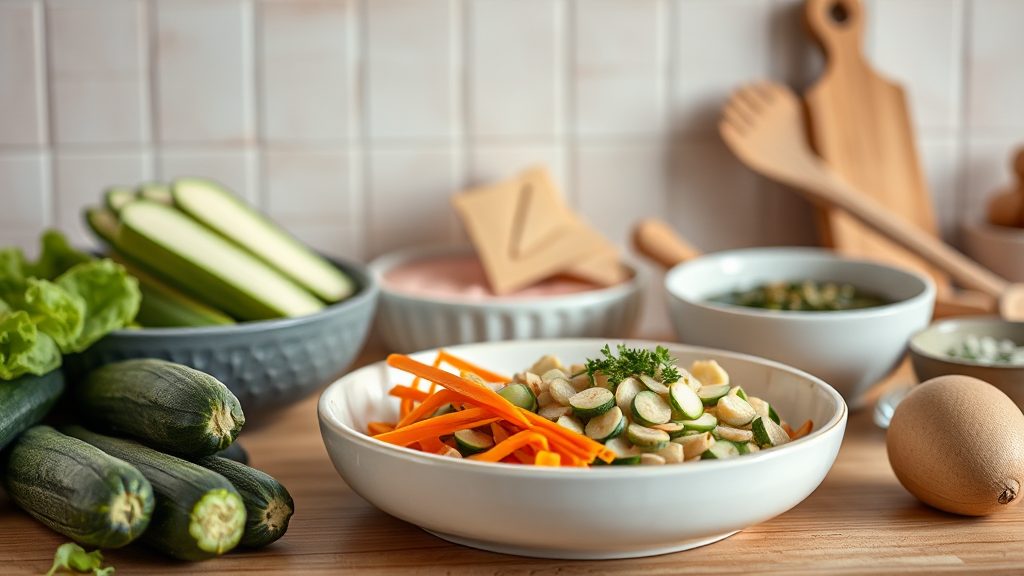
To prepare zucchini namul, cut your zucchini into matchsticks or thin half-moon slices. Salt them as described earlier and let them drain for 15 minutes. You can either blanch the salted zucchini in boiling water for just 30-60 seconds, then plunge into ice water, or you can gently squeeze out the excess moisture and use them raw for a crunchier texture. Many Korean cooks prefer the blanching method as it mellows the raw squash flavor while maintaining a pleasant texture.
After draining and gently squeezing out excess water, place the zucchini in a mixing bowl. Add 1-2 cloves of minced garlic, 1 tablespoon of sesame oil, 1 teaspoon of soy sauce, 1/2 teaspoon of sugar, and toasted sesame seeds to taste. Mix everything thoroughly with your hands—Korean cooks often use their hands for namul preparation as it helps distribute the seasonings evenly without breaking the vegetables. Taste and adjust the seasonings, adding a pinch of gochugaru (Korean red pepper flakes) if you want gentle heat.
The beauty of namul dishes lies in their simplicity and the way they showcase vegetables’ natural flavors enhanced by just a few well-chosen seasonings. This method works for countless vegetables beyond zucchini, so once you master the technique, you can apply it to spinach, bean sprouts, mushrooms, and more—all of which you’ll find served together as part of a traditional Korean meal spread.
Steamed Korean Zucchini with Seasonings (Goguma Jjim Style)
While “goguma jjim” traditionally refers to steamed sweet potatoes, the steaming technique (jjim) applies beautifully to zucchini as well, creating a tender, almost silky texture that’s distinct from both pan-frying and the crunchy-fresh quality of namul. Steamed zucchini prepared Korean-style makes an excellent light side dish that pairs particularly well with heavier, richer main courses.
For this Korean zucchini recipe, cut your zucchini into thick rounds or wedges—about 1/2-inch thick works well. Unlike the other methods, you don’t need to salt and drain the zucchini first; the steaming process handles the moisture naturally. Arrange the pieces in a steamer basket or on a heatproof plate that fits inside your pot or wok.
Bring water to a boil in your steaming setup, place the zucchini inside, cover tightly, and steam for 5-7 minutes depending on thickness. You want the zucchini tender enough to pierce easily with a fork but not so soft that it falls apart. While the zucchini steams, prepare your seasoning mixture: combine 1 tablespoon sesame oil, 1 tablespoon soy sauce, 1 teaspoon rice vinegar, 1 minced garlic clove, 1/2 teaspoon sugar, and sesame seeds in a small bowl.
🍚 Staple: a good rice vinegar brightens banchan and quick pickles without overpowering. Grab the one I reach for →
As an Amazon Associate I earn from qualifying purchases.
Once the zucchini finishes steaming, transfer it to a serving dish and immediately drizzle the seasoning mixture over the hot vegetable. The heat helps the flavors penetrate, and the zucchini will absorb the seasonings as it cools slightly. You can serve this dish warm or at room temperature. Some variations include adding thinly sliced green onions, a sprinkle of gochugaru for heat, or even a light dusting of perilla seed powder for an authentic Korean touch.
🌰 Worth stocking: perilla seed powder keeps well and transforms simple Korean soups. Grab the one I reach for →
As an Amazon Associate I earn from qualifying purchases.
Essential Ingredients and Substitutions for Korean Zucchini Dishes
The beauty of Korean zucchini preparations lies in their simplicity—you need surprisingly few ingredients to create authentic flavors. However, using the right ingredients makes a noticeable difference in your final results.
Sesame oil is non-negotiable in Korean cooking, and you’ll want to use toasted (dark) sesame oil rather than light sesame oil. The toasted variety provides that distinctive nutty aroma and flavor that’s signature to Korean cuisine. A little goes a long way—typically just 1-2 tablespoons per dish—so one bottle lasts quite a while. Store it in a cool, dark place to prevent the oil from going rancid.
For garlic, fresh is always best in Korean zucchini recipes. Pre-minced garlic from a jar contains preservatives that alter the flavor profile. Korean cuisine uses garlic generously, so invest in a good garlic press or practice your knife skills for quick mincing. As a general rule, Korean recipes use about twice as much garlic as comparable Western recipes.
Gochugaru (Korean red pepper flakes) appears in many variations of these dishes. It’s different from standard crushed red pepper—gochugaru has a slightly sweet, smoky flavor and comes in varying levels of coarseness. Fine gochugaru works best for seasoning cooked vegetables, while coarser versions are better for kimchi-making. If you can’t find gochugaru, you can substitute a small amount of cayenne pepper mixed with a pinch of smoked paprika, though the flavor won’t be identical.
For soy sauce, either Korean ganjang (specifically yangjo ganjang, which is similar to Japanese soy sauce) or Japanese soy sauce works well. Chinese dark soy sauce is too thick and strong for these delicate vegetable preparations. If you’re watching sodium, you can use reduced-sodium soy sauce, though you may need to adjust other seasonings to compensate for the less complex flavor.
🫙 Staple: keep a proper Korean soy sauce on hand for authentic seasoning. Grab the one I reach for →
As an Amazon Associate I earn from qualifying purchases.
Toasted sesame seeds add visual appeal and a pleasant crunch. You can buy them pre-toasted or toast raw sesame seeds yourself in a dry skillet over medium heat for 2-3 minutes, stirring constantly until golden and fragrant. Store them in an airtight container in the refrigerator to maintain freshness.
Serving Suggestions and Pairing Korean Zucchini Dishes
In Korean dining culture, these zucchini dishes function as banchan—the small side dishes that accompany the main meal. Traditionally, you’d serve 3-5 or more different banchan alongside rice and a protein or stew, creating a balanced, varied meal where diners can taste multiple flavors and textures in one sitting.
Pan-fried zucchini works beautifully alongside grilled meats like bulgogi or galbi, as its lighter profile balances the richness of marinated beef. The slight char on the zucchini echoes the caramelization on the meat, creating a harmonious flavor connection. It’s also excellent with simple Korean soups and stews, providing a textural contrast to liquid-based dishes.
Cold zucchini namul shines in warm weather or as part of a bibimbap bowl. Its refreshing quality and the bright hit of garlic and sesame make it particularly welcome in summer months. You can prepare a large batch on Sunday and enjoy it throughout the week—it keeps well in the refrigerator for 4-5 days and actually develops better flavor after a day as the seasonings meld.
Steamed zucchini with seasonings pairs exceptionally well with heavier dishes like Korean fried chicken or rich pork belly preparations. Its delicate texture and relatively mild seasoning provide a palate cleanser between bites of richer foods. It’s also a good choice when serving Korean food to guests who might be sensitive to spicy dishes, as you can easily control or omit the gochugaru.
For a complete Korean meal experience, serve any of these zucchini preparations with steamed short-grain white rice, kimchi, and at least two other banchan—perhaps seasoned spinach (sigeumchi namul) and stir-fried anchovies (myeolchi bokkeum). This combination provides the variety of flavors, colors, and textures that make Korean dining so satisfying.
🐟 Pantry staple: dried anchovies keep in the freezer and make broth taste like home. Grab the ones I keep on hand →
As an Amazon Associate I earn from qualifying purchases.
Making Korean Zucchini Recipes Part of Your Cooking Routine
Now that you’ve learned these three fundamental approaches to preparing Korean zucchini, you have versatile techniques that work year-round with an affordable, readily available vegetable. The key to incorporating these dishes into your regular cooking rotation is recognizing that they’re not complicated restaurant dishes—they’re everyday home cooking that Korean families have perfected over generations.
Start with whichever method appeals most to your current cooking style. If you’re comfortable with pan-frying and want something quick, begin with hobak bokkeum. If you enjoy meal prep and make-ahead dishes, zucchini namul is your best bet. If you’re exploring steaming as a cooking method or want the lightest preparation, try the steamed version first.
As you gain confidence with these Korean zucchini recipes, you’ll find yourself naturally adjusting the seasonings to your preference and even applying these techniques to other vegetables. That’s exactly how Korean home cooks operate—they learn fundamental methods and ingredient combinations, then improvise based on what’s available and what their family enjoys. The recipes aren’t meant to be rigid formulas but rather templates for creating balanced, flavorful vegetable dishes.
Remember that Korean cooking emphasizes balance—not just in a single dish, but across an entire meal. These zucchini preparations contribute freshness, lightness, and vegetable nutrition to balance richer main dishes. They’re also remarkably forgiving; even if your timing isn’t perfect or you adjust the seasonings, you’ll still end up with something delicious.
Whether you’re exploring Korean culture more broadly or simply looking to expand your vegetable cooking repertoire, these methods will serve you well. Keep zucchini on hand during your weekly grocery shopping, stock your pantry with sesame oil and gochugaru, and you’ll always be 20 minutes away from an authentic Korean side dish that elevates any meal.