As an Amazon Associate I earn from qualifying purchases. This post contains affiliate links, which means I may earn a small commission — at no extra cost to you — if you buy through them. I only recommend things I believe are genuinely worth your time.
If you’ve been dreaming of cooking Korean food at home but feel overwhelmed by where to start, a well-structured Korean meal plan can transform your weekly cooking routine from stressful to streamlined. Creating a weekly meal plan centered around Korean cuisine not only saves you time and money, but it also ensures you’re eating balanced, flavorful meals that bring the exciting tastes of Korea right to your kitchen table.
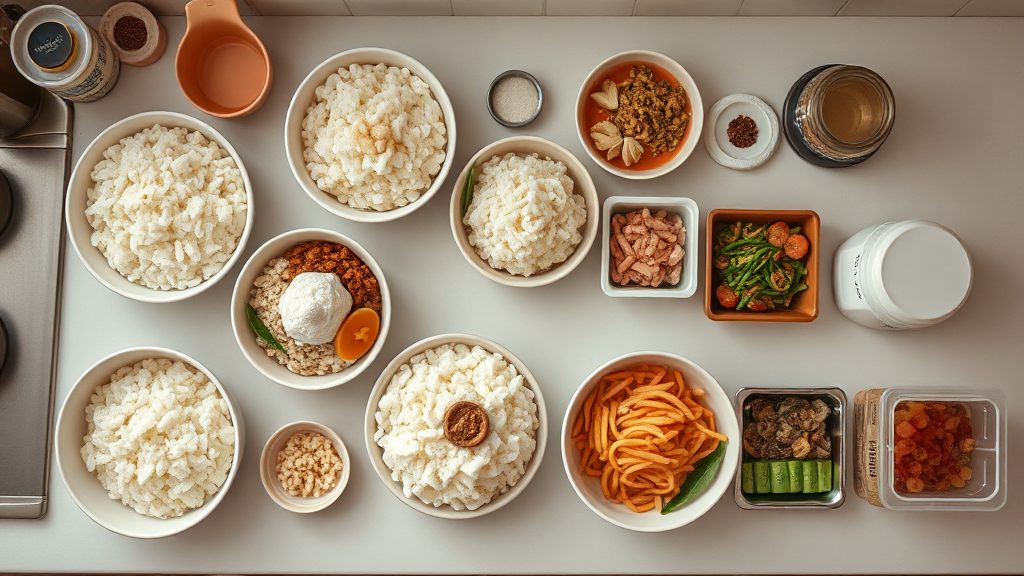
The beauty of Korean cooking lies in its banchan (side dish) culture, where many components can be prepared in advance and enjoyed throughout the week. This approach naturally lends itself to efficient meal prep and reduces the daily decision fatigue of figuring out what to cook. Whether you’re new to Korean cooking or already familiar with the basics, this comprehensive guide will walk you through a complete seven-day Korean meal plan, complete with shopping lists and time-saving strategies that make weekly meal planning actually enjoyable.
Your Complete 7-Day Korean Meal Plan
This Korean meal plan balances traditional favorites with practical weeknight dinners, ensuring you get variety without spending hours in the kitchen each day. The meals are designed to use overlapping ingredients efficiently and incorporate make-ahead components that reduce daily cooking time.
Monday: Start your week with bibimbap for dinner, featuring rice topped with seasoned vegetables, a fried egg, and gochujang sauce. For lunch, enjoy a simple kimchi fried rice using leftover rice from the weekend. Breakfast can be a light kongnamul guk (soybean sprout soup) with rice and kimchi.
🌶️ Need gochujang for this? This sweet-savory fermented chili paste is the heart of so many Korean dishes — here’s the tub I keep in my fridge →
As an Amazon Associate I earn from qualifying purchases.
Tuesday: Prepare bulgogi (marinated beef) for dinner with lettuce wraps and steamed rice. Use some of the marinated meat for lunch the next day in a bulgogi bowl. Start the morning with a traditional Korean breakfast of rice, miyeok guk (seaweed soup), and several banchan.
Wednesday: Make kimchi jjigae (kimchi stew) for a comforting dinner that comes together in about 30 minutes. Pack the bulgogi bowl for lunch with pickled vegetables. Keep breakfast simple with toasted seaweed, rice, and leftover soup from Tuesday.
Thursday: Try dakgalbi (spicy stir-fried chicken) with vegetables and rice cakes for dinner. Use leftover kimchi jjigae for lunch, perhaps with some added ramyeon noodles. Morning can feature a quick Korean egg roll (gyeran mari) with rice and kimchi.
🍡 Need rice cakes (tteok)? Chewy Korean rice cakes are the star of tteokbokki and tteokguk. Here’s the tteok I use →
As an Amazon Associate I earn from qualifying purchases.
Friday: Celebrate the end of the work week with Korean-style fried chicken and pickled radish (chicken mu). Lunch can be a simple kimbap using vegetables you’ve already prepared. Start with a warming bowl of juk (rice porridge) for breakfast.
Saturday: Weekend cooking allows for more elaborate dishes like galbi jjim (braised short ribs) or samgyeopsal (grilled pork belly) with all the wraps and accompaniments. Lunch might be leftover fried chicken repurposed into a rice bowl. Enjoy a leisurely breakfast of kimchi pancakes.
Sunday: Round out the week with sundubu jjigae (soft tofu stew) for dinner, or naengmyeon (cold noodles) if the weather is warm. Prep your ingredients for the week ahead during the day. Brunch can combine Korean and Western elements with French toast served alongside kimchi and eggs.
Essential Shopping List for Korean Weekly Meal Planning
Successful weekly meal planning starts with a comprehensive shopping trip. This list covers everything you’ll need for the meal plan above, organized by category to make your shopping efficient. If you’re new to Korean cooking, you may need to make an initial investment in pantry staples, but these will last for many meals to come.
Proteins: 1.5 pounds beef (bulgogi cut), 1.5 pounds chicken thighs, 1 pound pork belly or 2 pounds chicken wings (for fried chicken), 6-8 eggs, 1 package soft tofu, 1 pound short ribs (optional for Saturday).
Vegetables & Fresh Produce: 1 large container kimchi (or homemade if you have it), 2 zucchini, 2 carrots, 1 bunch spinach, 1 bag bean sprouts, 1 package mushrooms (shiitake or oyster), 1 onion, 6-8 green onions, 1 head lettuce, 1 cucumber, 1 Korean radish or daikon, garlic (1 bulb minimum), ginger (small piece).
Pantry Staples & Sauces: Short-grain rice (at least 5 pounds), gochujang (Korean red pepper paste), gochugaru (Korean red pepper flakes), soy sauce, sesame oil, vegetable or canola oil, sugar, rice vinegar, dried seaweed sheets, dried miyeok (seaweed for soup), flour, potato starch or cornstarch.
🥔 Pantry staple: keep potato starch on hand for frying and thickening. Grab the one I reach for →
As an Amazon Associate I earn from qualifying purchases.
🍙 Roasted seaweed (gim) is essential for kimbap, rice, and snacking — look for the toasted, seasoned sheets. Here’s the gim I use →
As an Amazon Associate I earn from qualifying purchases.
🍚 Staple: a good rice vinegar brightens banchan and quick pickles without overpowering. Grab the one I reach for →
As an Amazon Associate I earn from qualifying purchases.
🥢 Sesame oil tip: look for 100% toasted sesame oil, not the pale kind. Here’s the bottle I keep by the stove →
As an Amazon Associate I earn from qualifying purchases.
🌶️ Stocking your Korean pantry? Good gochugaru is the one ingredient worth ordering online — this coarse Korean red pepper powder is the one I keep on hand →
As an Amazon Associate I earn from qualifying purchases.
Refrigerated Items: Doenjang (soybean paste), fish sauce, Korean soup stock or anchovy stock packets, perilla leaves (optional but wonderful for wraps).
🐟 Need fish sauce? A good Korean or Vietnamese fish sauce brings deep savory depth to kimchi and soups. Here’s the bottle I use →
As an Amazon Associate I earn from qualifying purchases.
🫙 No doenjang yet? It keeps for months in the fridge and there’s no real substitute. This is the doenjang I reach for →
As an Amazon Associate I earn from qualifying purchases.
Most of these ingredients are available at Korean grocery stores, though many mainstream supermarkets now carry basics like gochujang and kimchi. Shopping at an H-Mart or other Korean market will give you the widest selection and best prices for authentic ingredients. Plan to spend about 90-120 minutes on your initial shopping trip if you’re stocking your pantry from scratch.
How Much Time Does Korean Meal Prep Actually Take?
Many people avoid meal prep because they imagine spending an entire Sunday cooking, but Korean meal prep is surprisingly efficient when you focus on the right components. You can complete the essential preparation for this korean meal plan in about 2-3 hours on Sunday afternoon, which will save you 30-45 minutes of cooking time each weeknight.
The key is focusing on batch-preparing banchan and marinated proteins rather than cooking complete meals in advance. Korean side dishes typically last 5-7 days in the refrigerator and actually taste better after a day or two as the flavors develop.
Here’s your Sunday meal prep schedule: Start by cooking a large pot of rice and portioning it into containers for the week (30 minutes, mostly hands-off). While the rice cooks, prepare your bulgogi marinade and let the meat marinate (15 minutes active time). Next, blanch and season your vegetables for bibimbap—spinach, bean sprouts, and julienned carrots (45 minutes). Make a batch of pickled cucumber or radish (10 minutes active time, but needs to sit). Finally, portion out kimchi into smaller containers for easy access throughout the week (5 minutes).
Time-Saving Strategies for Your Korean Meal Plan
The difference between a meal plan you’ll actually follow and one that falls apart by Wednesday often comes down to smart shortcuts. Korean cuisine is particularly amenable to advance preparation because so many components are designed to be made ahead—this is built into the culture of cooking.
Invest in a good rice cooker with a timer function if you don’t already own one. This single appliance can transform your Korean cooking routine by ensuring perfect rice is ready when you need it, without any attention required. Many Korean households cook rice in the morning and keep it warm throughout the day, which works beautifully for this meal plan.
🍚 Worth it: check out this rice cooker →
As an Amazon Associate I earn from qualifying purchases.
Double your banchan recipes whenever you make them. Seasoned spinach, sautéed mushrooms, and braised potatoes all freeze beautifully for up to three months. Having a stash of frozen banchan means you can pull together an impressive Korean meal in minutes, even on your busiest days. Just reheat what you need in the microwave or in a pan with a little sesame oil.
Pre-portioning ingredients is another game-changer for weekly meal planning. When you bring groceries home, immediately wash and chop vegetables like green onions, garlic, and ginger. Store them in airtight containers with slightly damp paper towels to maintain freshness. This “chop once, use many times” approach eliminates repetitive prep work throughout the week.
Consider making a large batch of Korean soup stock on Sunday and freezing it in ice cube trays. Pop out 3-4 cubes whenever you need stock for jjigae or guk, and you’ll have restaurant-quality depth of flavor without resorting to bouillon cubes. Alternatively, Korean soup stock packets (dasida or anchovy stock packets) offer excellent flavor with zero prep time.
Don’t underestimate the power of strategic leftovers in Korean dinner ideas. That extra rice becomes kimchi fried rice or nurungji (crispy rice). Leftover bulgogi transforms into kimbap filling or a topping for bibimbap. Even the liquid from kimchi jjigae can become the base for a quick ramyeon lunch. This circular approach to ingredients is both economical and authentic to how Korean home cooking actually works.
What Makes a Korean Meal Plan Different from Other Meal Plans?
A Korean meal plan differs fundamentally from Western meal planning because it emphasizes variety on the table at once rather than a single main dish. Traditional Korean meals feature bap (rice), guk (soup), and several banchan (side dishes) served simultaneously, creating a naturally balanced plate with diverse flavors, textures, and nutrients in every meal.
This approach actually makes meal planning easier once you understand the template. Instead of planning seven completely different dinners, you’re planning combinations of components that can be mixed and matched. The banchan you prepare on Sunday appear throughout the week in different combinations, so you’re not eating the exact same meal but you’re also not cooking from scratch every night. It’s the best of both worlds—variety without constant labor.
Another distinctive feature is the fermented foods that appear at nearly every Korean meal. Kimchi is the most famous example, but doenjang, gochujang, and jeotgal (fermented seafood) all contribute complex umami flavors and beneficial probiotics. Building these ingredients into your weekly routine supports both flavor development and gut health. If you’re interested in the cultural context behind these food traditions, you might enjoy exploring more about Korean culture beyond just the cuisine.
Korean meal planning also tends to be more flexible and forgiving than strict Western meal prep. If you’re not hungry for the planned Wednesday dinner, you can easily swap it with Thursday’s meal because the components are interchangeable. This flexibility reduces food waste and accommodates the reality of how people actually eat throughout a busy week.
Adapting Your Korean Meal Plan for Dietary Needs
One of the strengths of Korean cuisine is how naturally it accommodates different dietary preferences and restrictions. Whether you’re vegetarian, gluten-free, or cooking for picky eaters, you can adapt this korean meal plan while maintaining its essential character and flavors.
For vegetarian or vegan adaptations, Korean cooking offers abundant options. Replace meat-based dishes with dubu jorim (braised tofu), beoseot bokkeum (stir-fried mushrooms), or gamja jorim (braised potatoes). Use vegetable stock instead of anchovy stock in soups and stews. Many traditional banchan are already naturally vegan—seasoned spinach, stir-fried zucchini, and seasoned bean sprouts require no modifications at all. The biggest challenge is checking that your gochujang and doenjang don’t contain fish-derived ingredients, though vegetarian versions are increasingly available.
For gluten-free meal prep, Korean food is relatively accommodating compared to many Asian cuisines. Use tamari or coconut aminos instead of regular soy sauce, and check that your gochujang is certified gluten-free (some brands use wheat as a thickener, others use rice). Rice-based dishes naturally fit a gluten-free diet, though you’ll need to skip or modify recipes that use regular ramyeon noodles or wheat flour-based items.
If you’re cooking for children or those new to Korean flavors, start with milder versions of dishes. Reduce the gochugaru in recipes by half or omit it entirely for dishes like bulgogi and japchae. Focus on sweeter, less spicy options like galbi, Korean fried chicken without the spicy sauce, or kimbap filled with familiar ingredients like eggs and vegetables. You can always serve gochujang on the side for those who want heat, rather than incorporating it directly into every dish.
Budget-conscious cooks can also adapt this plan by emphasizing vegetable-forward dishes, using less expensive cuts of meat (chicken instead of beef), and maximizing rice and soup-based meals. Korean home cooking traditionally stretched expensive ingredients by serving them in smaller portions alongside abundant vegetables and rice—a naturally economical approach that doesn’t sacrifice satisfaction or nutrition.
Making Korean Weekly Meal Planning a Sustainable Habit
The first week of any new meal planning system feels effortful, but by week three or four, you’ll find your rhythm and the process becomes almost automatic. The key to making Korean meal planning sustainable is starting with this structured plan, then gradually adapting it to your family’s preferences and your personal schedule.
Keep a running note on your phone of which meals your household loved and which fell flat. After a month, you’ll have identified your “greatest hits” that can rotate regularly into your meal plan. Maybe your family goes crazy for dakgalbi but wasn’t impressed by the naengmyeon—that’s valuable information that makes future planning easier and more enjoyable.
Consider dedicating one night per week to “clean out the fridge” meals where you creatively use up odds and ends. In Korean cooking, this might mean a bibimbap using whatever vegetables need to be finished, or a bokkeumbap (fried rice) with leftover proteins and kimchi. These improvised meals often become family favorites and teach you to cook more intuitively.
Don’t aim for perfection, especially in the beginning. If Wednesday’s dinner plan doesn’t happen and you end up ordering takeout, that’s fine—you still have Thursday through Sunday planned, which is infinitely better than no plan at all. The goal isn’t to completely eliminate spontaneity or flexibility from your eating, but rather to create a framework that makes daily cooking decisions easier and less stressful.
As you become more comfortable with Korean cooking techniques and flavors, you’ll naturally start improvising and creating your own combinations. You might discover that you love making extra japchae to pack for work lunches, or that your household devours any jeon (savory pancake) you make. Let your meal plan evolve with these discoveries rather than rigidly sticking to someone else’s template forever.
Creating a korean meal plan brings structure and intention to your cooking while opening up a world of exciting flavors and healthy eating patterns. With your shopping list in hand, a few hours of Sunday prep, and this seven-day framework to guide you, you’re ready to make Korean home cooking a delicious and sustainable part of your weekly routine. The beauty of this approach is that it respects both the traditional elements of Korean cuisine and the practical realities of modern life—proving that you don’t need hours each day to eat well and enjoy the remarkable diversity of Korean food. Start with this plan, make it your own, and discover how weekly meal planning can transform not just what you eat, but how you experience cooking and gathering around the table.