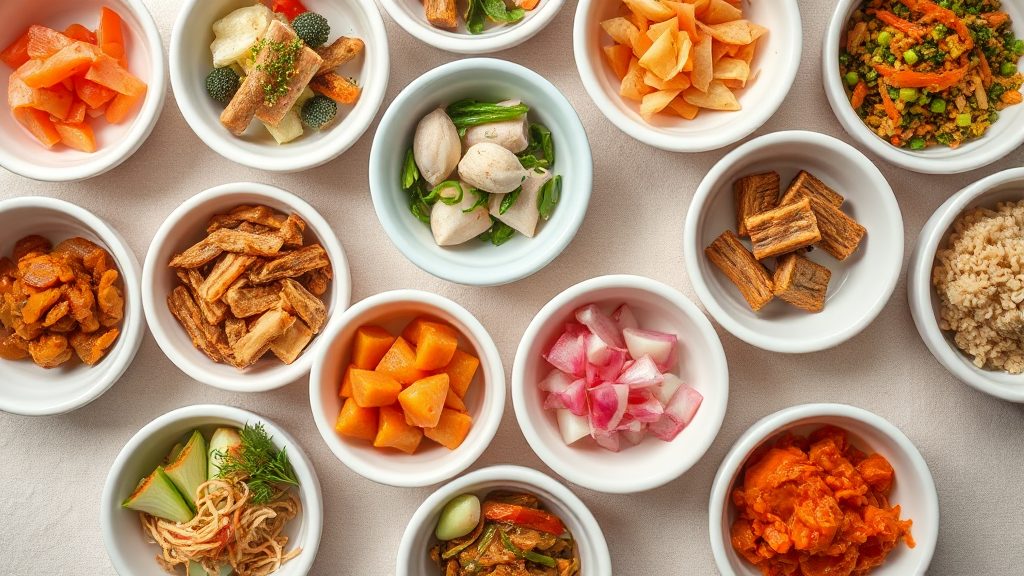
If you’ve ever enjoyed a meal at a Korean restaurant, you know that the table quickly fills with small, colorful plates before your main dish even arrives. These Korean vegetable recipes, known as banchan, are the heart of Korean home cooking—simple, flavorful side dishes that transform ordinary vegetables into something memorable. Whether you’re looking to add more vegetables to your diet or want to explore vegetarian Korean food beyond kimchi, these dishes are surprisingly easy to make at home with ingredients you likely already have in your pantry.
Korean vegetable dishes rely on a few key cooking methods and flavor profiles that you can apply to almost any vegetable in your refrigerator. Once you understand these basic techniques, you’ll be able to create authentic-tasting sides without needing to follow a recipe exactly. The beauty of these dishes is their flexibility—you can swap vegetables based on what’s in season or what you have on hand, making them perfect for everyday cooking.
Understanding Korean Vegetable Cooking Methods
Korean cuisine approaches vegetables with respect and simplicity, using cooking methods that enhance rather than mask their natural flavors. The three most common techniques you’ll encounter are blanching, sautéing, and raw seasoning. Each method brings out different qualities in vegetables while keeping preparation straightforward enough for weeknight cooking.
Blanching is perhaps the most common technique for leafy greens and tender vegetables. You’ll briefly boil vegetables in salted water, then immediately plunge them into ice water to stop the cooking and preserve their vibrant color. This method works beautifully for spinach, watercress, bean sprouts, and chrysanthemum greens. After blanching, you squeeze out excess water and season the vegetables with sesame oil, garlic, salt, and sesame seeds. The result is a dish called namul—tender, garlicky, and incredibly satisfying.
Sautéing is reserved for heartier vegetables that benefit from a little caramelization. Mushrooms, zucchini, carrots, and eggplant all shine when quickly stir-fried with garlic and seasoned with soy sauce or salt. The key is using high heat and cooking just until the vegetables are tender but still have some bite. Korean cooks typically add a splash of sesame oil at the end for aroma rather than cooking with it, which keeps the nutty flavor pronounced.
Raw seasoning applies to vegetables that are either naturally tender or have been salted to soften them. Cucumbers are the classic example—sliced thin, salted briefly to draw out moisture, then mixed with gochugaru (Korean red pepper flakes), garlic, green onions, and sesame seeds. This method creates dishes with bright, crisp textures that contrast beautifully with richer main courses.
Essential Seasonings for Korean Vegetable Recipes
Before diving into specific recipes, you’ll want to stock a few essential Korean seasonings. These ingredients appear repeatedly in Korean vegetable recipes and are what give these simple dishes their distinctive flavor. The good news is that once you have these basics, you can season almost any vegetable authentically.
Sesame oil is non-negotiable. Its rich, nutty aroma defines Korean vegetable dishes. You’ll use it as a finishing oil rather than a cooking oil, drizzling it over blanched greens or stirring it into sautéed vegetables at the end. A little goes a long way—typically just a teaspoon or two per dish.
Toasted sesame seeds add both flavor and visual appeal. You can buy them pre-toasted, but toasting your own in a dry pan takes just a few minutes and releases more fragrance. Some recipes call for grinding the seeds lightly to release their oils, while others leave them whole for texture.
Garlic is used generously—fresh garlic is preferred, usually minced very fine or grated to distribute evenly throughout the dish. Korean cooking doesn’t shy away from raw garlic, especially in blanched vegetable dishes where its pungency balances the mild greens. Gochugaru, or Korean red pepper flakes, provides heat and a subtle sweetness that differs from other chili flakes. It ranges from mild to spicy, so you can adjust based on your tolerance. For those exploring Korean food for the first time, start with less and add more as you become familiar with its flavor profile.
Simple Blanched Korean Vegetable Dishes
Let’s start with blanched vegetable dishes, as these are the quickest to prepare and the most forgiving for beginners. Spinach namul (sigeumchi namul) is the gateway recipe that introduces you to this technique. You’ll blanch a large bunch of spinach in boiling salted water for just 30 seconds, shock it in ice water, squeeze it dry, and season it with minced garlic, sesame oil, salt, and sesame seeds. The entire process takes under ten minutes, but the result tastes like something you’d pay extra for at a restaurant.
The beauty of this method is its adaptability. Once you’ve made spinach namul, you can apply the exact same technique and seasoning to watercress, mustard greens, or even broccoli rabe. The blanching time varies slightly—delicate greens like watercress need only 15-20 seconds, while sturdier vegetables like broccoli might need two minutes—but the seasoning remains consistent.
Bean sprout namul (kongnamul muchim) follows a similar principle but with one key difference. You blanch the bean sprouts with the lid on to trap steam, which helps them cook evenly without becoming mushy. After draining, you season them while still warm so they absorb the flavors better. Some cooks add a tiny pinch of sugar to balance the earthiness of the bean sprouts, though this is optional.
For a slightly different approach, try cucumber namul with cooked cucumbers. Yes, cooked cucumbers! You’ll briefly blanch peeled, seeded cucumber batons until just tender, then season them like other namul. The texture is surprisingly pleasant—softer than raw cucumbers but still retaining some crunch. This dish works especially well when you have large, slightly overripe cucumbers that might be too seedy or bitter for raw preparations.
Sautéed and Pan-Fried Vegetable Sides
Moving beyond blanched dishes, sautéed Korean vegetable dishes offer richer flavors through caramelization. Mushroom bokkeum is a staple that works with any mushroom variety—shiitake, oyster, king oyster, or even button mushrooms. You’ll slice them uniformly, sauté in a neutral oil until golden, then season with soy sauce, garlic, green onions, and finish with sesame oil. The key is not crowding the pan; mushrooms release water as they cook, and you want that moisture to evaporate so they brown rather than steam.
Zucchini bokkeum follows a similar process. You’ll cut zucchini into half-moons or matchsticks, sauté over high heat until lightly browned, and season simply with salt, garlic, and sesame seeds. Some versions add a splash of fish sauce or soy sauce for umami depth. The entire dish takes less than ten minutes from start to finish, making it ideal for weeknight dinners when you need a quick vegetable side.
For something more substantial, zucchini jeon (Korean vegetable pancakes) transforms simple vegetables into a crispy, savory dish that works as a side or even a light meal. You’ll slice zucchini into thin rounds, dredge them in flour and egg, then pan-fry until golden on both sides. Serve with a simple dipping sauce of soy sauce, vinegar, and sesame seeds. This technique works equally well with mushrooms, peppers, or even potato slices, making it one of the most versatile easy Korean sides in your repertoire.
Eggplant namul (gaji namul) deserves special mention because it uses a hybrid technique. You’ll steam or microwave Japanese eggplant until tender, tear it into strips by hand (this helps it absorb seasonings better than cutting), then dress it with soy sauce, sesame oil, garlic, green onions, and gochugaru. The hand-torn texture gives the dish a rustic quality, and the eggplant soaks up the bold seasonings beautifully. If you’ve never been an eggplant fan, this preparation might change your mind—the steaming removes any bitterness while maintaining a silky texture.
What Makes Korean Vegetable Recipes Different from Other Asian Vegetable Dishes?
Korean vegetable recipes distinguish themselves through their bold use of sesame oil, garlic, and gochugaru, plus the cultural practice of serving multiple vegetable banchan alongside every meal. While Chinese stir-fries often feature saucy, complex flavor combinations and Japanese preparations tend toward minimalism, Korean vegetable dishes strike a balance—simple techniques with assertive seasonings that let the vegetable’s natural flavor shine through.
Another distinctive feature is the emphasis on room temperature or slightly warm serving. Unlike many cuisines that insist vegetables be served piping hot, Korean banchan are typically prepared ahead and served at room temperature, which allows flavors to meld and makes meal preparation less stressful. This practical approach means you can make several vegetable dishes in the morning or even the day before, then simply bring them to the table when needed.
The vegetable-forward nature of Korean cuisine also reflects Buddhist temple food traditions, which have influenced home cooking for centuries. Even in non-vegetarian households, vegetables receive as much attention as protein dishes, making Korean cooking naturally accommodating for those seeking more plant-based meals. You’ll find that many Korean families eat five to seven vegetable banchan with every dinner—a practice that makes eating your vegetables feel less like an obligation and more like an exploration of flavors and textures.
Adapting Korean Techniques to Your Available Vegetables
Once you’ve made a few traditional Korean vegetable recipes, you’ll start to see patterns that allow for creative substitutions. Can’t find Korean radish for danmuji? Regular radishes work with slight adjustments to salting time. No Asian greens available? Swiss chard, kale, and collard greens all respond beautifully to the blanching and seasoning method, though you might need to remove tough stems first.
Root vegetables like carrots, parsnips, and turnips can be julienned and sautéed with the same seasonings you’d use for zucchini. Cruciferous vegetables like cauliflower and broccoli can be blanched or steamed, then dressed with sesame oil and garlic for an easy Korean side. Even vegetables not traditionally used in Korean cooking—like Brussels sprouts or asparagus—take well to these preparation methods.
The key to successful adaptation is matching the cooking method to the vegetable’s texture. Tender, leafy vegetables get blanched. Firm, water-rich vegetables like zucchini and mushrooms get sautéed. Dense vegetables like potatoes and sweet potatoes get steamed or boiled first, then seasoned. And crisp vegetables like cucumbers and radishes get salted or served raw with bold seasonings. When in doubt, ask yourself: would this vegetable benefit from quick cooking or does it need more time? Then choose your technique accordingly.
Don’t be afraid to adjust seasonings to your taste, either. Traditional recipes provide guidelines, but Korean home cooks taste and adjust constantly. Some families prefer more garlic, others go lighter on the sesame oil, and spice tolerance varies widely. The goal is vegetables that taste good to you, not dishes that rigidly follow rules. As you become more comfortable with these techniques, you’ll develop your own preferences and variations that suit your palate and the vegetables in your market.
Making Korean Vegetable Sides Part of Your Regular Cooking
The real magic of learning these vegetarian Korean food preparations is how they change your relationship with vegetables. Instead of scrambling to figure out what to do with that bag of spinach or those cucumbers, you’ll have reliable techniques that turn them into flavorful sides in minutes. Many Korean cooks prepare several banchan on the weekend, storing them in glass containers in the refrigerator, then pulling out two or three to round out weeknight dinners. Most keep well for three to five days, and some actually improve as flavors meld.
Start by mastering one or two recipes that use vegetables you already buy regularly. If you always have spinach on hand, make spinach namul your foundational recipe. Once it becomes second nature, add another technique—perhaps sautéed mushrooms or cucumber muchim. Gradually, you’ll build a repertoire of easy Korean sides that you can prepare without consulting a recipe, adapting them based on what looks good at the market or what’s lurking in your vegetable drawer.
These dishes also make excellent meal prep components. Pack them alongside rice and a protein for balanced lunches, or serve several together for a vegetable-focused dinner. The variety of flavors and textures—spicy, nutty, garlicky, crisp, tender—keeps meals interesting even when they’re simple. And because each dish is relatively small, you never feel overwhelmed by having to eat a huge portion of one vegetable. Instead, you get satisfying tastes of several different preparations.
If you’re interested in exploring Korean culture more deeply beyond the kitchen, you might enjoy learning about Korean language and traditions, which often connect closely to food customs and the cultural importance of sharing meals together. Understanding these cultural contexts can deepen your appreciation for why vegetables play such a central role in Korean cuisine and why these seemingly simple dishes carry so much meaning in Korean households.
Bringing More Vegetables to Your Table
Korean vegetable recipes offer a practical solution to the universal challenge of eating more vegetables without sacrificing flavor. By mastering a few simple techniques—blanching, sautéing, and seasoning—you can transform any vegetable into a dish that people actually want to eat. These preparations respect the vegetable’s natural qualities while enhancing them with bold, satisfying flavors from sesame, garlic, and gochugaru.
Start with one recipe that appeals to you, whether it’s the simplicity of spinach namul or the satisfying crisp of zucchini jeon. Once you’ve made it successfully, try applying the same technique to a different vegetable. You’ll quickly discover that these methods are less about following exact recipes and more about understanding principles you can adapt endlessly. Before long, you’ll have a collection of vegetable sides that you can prepare confidently, making any meal feel more complete and nourishing.
The beauty of these dishes is that they meet you where you are. Whether you’re a dedicated cook looking to expand your repertoire or someone who just wants reliable ways to prepare vegetables on busy weeknights, Korean vegetable banchan offer flexibility, flavor, and the satisfaction of putting real, nourishing food on the table. And once you taste how good properly seasoned, simply prepared vegetables can be, you might find yourself reaching for them more often—which is exactly what makes these recipes worth learning in 2026 and beyond.