As an Amazon Associate I earn from qualifying purchases. This post contains affiliate links, which means I may earn a small commission — at no extra cost to you — if you buy through them. I only recommend things I believe are genuinely worth your time.
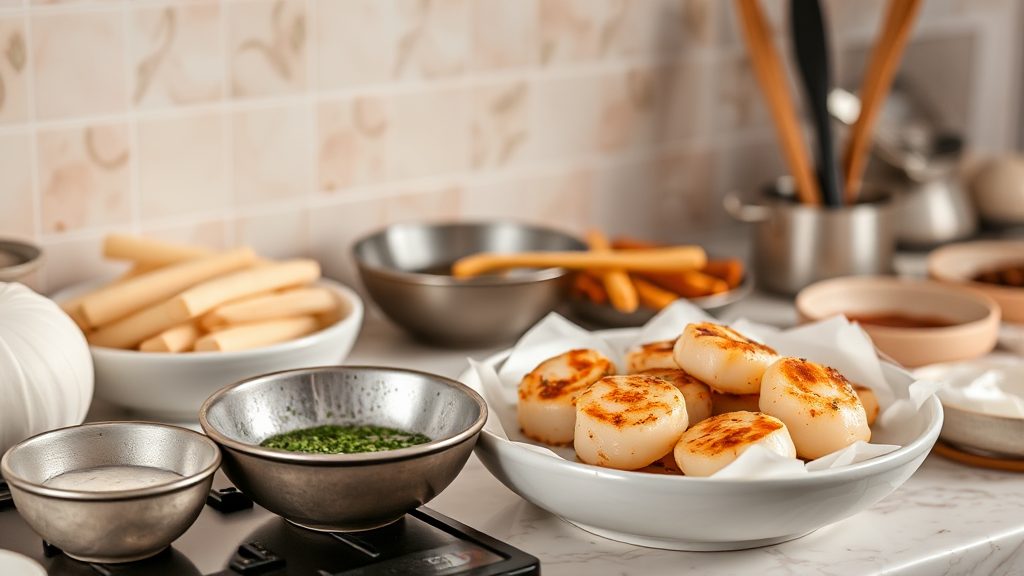
If you’re looking to explore Korean scallop recipes that bring restaurant-quality flavors to your home kitchen, you’ve come to the right place. Scallops hold a special place in Korean seafood cooking, prized for their sweet, delicate flavor and tender texture that pairs beautifully with the bold seasonings and gentle cooking techniques found throughout Korean cuisine. Pan-frying is one of the most popular methods for preparing scallops in Korean homes and restaurants, creating a golden exterior while keeping the inside perfectly tender and juicy.
Korean cooking approaches scallops with respect for their natural sweetness, using complementary ingredients like garlic, sesame oil, and gochugaru (Korean red pepper flakes) to enhance rather than overpower. Whether you’re preparing them as a main dish, a side dish (banchan), or part of a larger spread, these recipes will give you the confidence to work with this premium ingredient and create dishes that impress at any meal.
🥢 One upgrade that matters: cheap sesame oil tastes flat — a real toasted one is nutty and fragrant. This is the toasted sesame oil I use →
As an Amazon Associate I earn from qualifying purchases.
🌶️ Stocking your Korean pantry? Good gochugaru is the one ingredient worth ordering online — this coarse Korean red pepper powder is the one I keep on hand →
As an Amazon Associate I earn from qualifying purchases.
Understanding Scallops in Korean Cuisine
Scallops, known as “ganeun-jogae” or “ganeun-jo” in Korean, appear frequently in coastal Korean cooking, particularly in regions like Busan and Jeju Island where seafood defines the local food culture. Unlike Western preparations that often serve scallops as an elegant centerpiece, Korean cuisine integrates them into everyday meals, treating them as versatile ingredients for grilling, stir-frying, or incorporating into stews and pancakes.
The Korean approach to scallops emphasizes freshness above all else. In traditional fish markets across Korea, you’ll find live scallops still in their shells, a testament to the Korean preference for seafood at its absolute peak. When cooking scallops Korean-style, you’re not just following a recipe—you’re participating in a culinary tradition that values the natural flavor of seafood enhanced by carefully balanced seasonings. The marinade might be simple, consisting of just soy sauce, garlic, and sesame oil, but the result showcases the scallop’s inherent sweetness while adding depth through umami-rich ingredients.
Pan-fried scallop preparations in Korean cooking often serve double duty as both a protein-rich main course and as a seafood banchan alongside rice and other side dishes. This versatility makes them perfect for both weeknight dinners and special occasions, and the quick cooking time means you can have an impressive dish on the table in under 15 minutes.
Classic Korean Pan-Fried Scallops with Soy Garlic Glaze
This recipe represents the foundational approach to scallop pan-fried Korean style, using a soy-based marinade that caramelizes beautifully when the scallops hit the hot pan. Start with 12 large sea scallops (about one pound), patted completely dry with paper towels—this step is crucial for achieving that coveted golden-brown crust.
For the marinade, combine three tablespoons of regular soy sauce (not low-sodium, as you need the salt for proper seasoning), one tablespoon of mirin, two teaspoons of sesame oil, four minced garlic cloves, one teaspoon of grated fresh ginger, and a half teaspoon of sugar. Place your dried scallops in a shallow dish and pour the marinade over them, turning to coat evenly. Let them sit for exactly 10 minutes—any longer and the acid and salt in the marinade can start to change the texture of the delicate scallop meat.
🍶 Flavor tip: a splash of mirin adds gentle sweetness and shine to sauces. This is the bottle I buy →
As an Amazon Associate I earn from qualifying purchases.
Heat a large cast-iron or stainless steel skillet over medium-high heat until it’s quite hot, then add one tablespoon of neutral cooking oil with a high smoke point like grapeseed or avocado oil. Remove the scallops from the marinade, letting excess drip off, and place them in the pan with space between each one—crowding causes steaming rather than searing. Cook without moving them for exactly two minutes until a dark golden crust forms on the bottom. Flip and cook for another 90 seconds to two minutes depending on thickness.
Meanwhile, strain the marinade into a small saucepan and bring it to a boil for one minute to eliminate any raw seafood contamination, then reduce it by half until it becomes syrupy. Drizzle this glaze over your plated scallops and garnish with toasted sesame seeds and thinly sliced green onions. The result is a dish that balances sweet, salty, and savory notes while letting the scallop’s natural sweetness shine through.
🥢 Pantry staple: keep toasted sesame seeds within reach for namul, rice, and marinades. Grab the ones I use →
As an Amazon Associate I earn from qualifying purchases.
Spicy Gochugaru Butter Scallops
This modern fusion approach to Korean scallop recipes combines the richness of French-style butter-seared scallops with the distinctive heat and color of Korean gochugaru. The beauty of this recipe lies in how the butter mellows the chili flakes while carrying their flavor, creating a sauce that coats each scallop in spicy, aromatic goodness.
Begin with the same pound of large scallops, dried thoroughly and seasoned lightly with just salt—no marinade this time, as you want the scallops to develop an uninterrupted crust. Heat two tablespoons of butter and one tablespoon of neutral oil in your skillet over high heat. The combination prevents the butter from burning while still giving you that nutty, rich flavor. Once the butter foam subsides, add your scallops and sear for two minutes per side until deeply golden.
Remove the scallops to a warm plate and immediately reduce the heat to medium. Add another two tablespoons of butter to the pan along with one and a half tablespoons of gochugaru, three minced garlic cloves, and a pinch of salt. Swirl the pan for about 30 seconds until the butter melts and the garlic becomes fragrant but not browned—burned garlic turns bitter and will ruin the dish. Add a tablespoon of lemon juice to brighten the richness, then return the scallops to the pan, spooning the spicy butter over them.
This preparation works beautifully as part of a larger Korean meal spread, and you can explore more about traditional Korean dining customs and dishes on the food section of this site. The gochugaru provides gentle heat rather than overwhelming spiciness, making this dish accessible even to those who typically avoid spicy foods. For those who want more kick, increase the gochugaru to two tablespoons or add a small amount of gochujang (Korean red pepper paste) to the butter sauce.
🌶️ Pantry staple: a good gochujang lasts months in the fridge and elevates everything. Grab the one I reach for →
As an Amazon Associate I earn from qualifying purchases.
Hoban Gui Style Scallops with Perilla and Sesame
The hoban gui recipe tradition refers to Korean-style grilled or pan-fried dishes that feature whole or large pieces of protein cooked with minimal interference, allowing the natural flavors to develop through high-heat cooking. This scallop variation incorporates perilla (sesame) leaves, which add an aromatic complexity that’s distinctly Korean and not found in most other cuisines.
For this recipe, you’ll want to source fresh perilla leaves if possible—they’re becoming more available in Asian markets across the United States in 2026, or you can grow them easily from seed if you have any outdoor space. The leaves have a unique flavor that combines elements of mint, basil, and anise, and they pair exceptionally well with seafood. If you absolutely cannot find perilla, substitute with fresh shiso leaves or a combination of basil and mint, though the flavor profile will differ.
Pat your scallops dry and season them with salt and a tiny pinch of white pepper. Create a simple coating by mixing two tablespoons of finely ground toasted sesame seeds with one tablespoon of perilla seed powder (or additional sesame seeds if perilla powder is unavailable) and a half teaspoon of salt. Press each scallop into this mixture on both flat sides, creating a light crust.
🌰 Perilla seed powder (deulkkae garu) adds a rich, nutty body to soups and stews you can’t fake. Here’s the perilla powder I use →
As an Amazon Associate I earn from qualifying purchases.
Heat your pan with one tablespoon of sesame oil and one tablespoon of neutral oil until shimmering. Place the scallops down and don’t move them for two full minutes. While they cook, prepare your perilla leaves by stacking five or six together, rolling them tightly, and slicing them into thin ribbons (this technique is called chiffonade). Flip the scallops and cook for another two minutes, then remove to a serving plate. In the same pan, quickly toss the sliced perilla leaves for just 10-15 seconds until they barely wilt and become fragrant, then scatter them over the scallops. Finish with a drizzle of additional sesame oil and a sprinkle of coarse sea salt.
This preparation embodies the hoban gui philosophy of respecting the ingredient through simplicity. The sesame coating adds textural interest and nutty depth without masking the scallop’s sweetness, while the perilla provides an aromatic finish that makes this dish distinctly Korean.
How Do You Select and Store Scallops for Korean Recipes?
Choosing the right scallops makes the difference between a good dish and an exceptional one. Look for “dry” scallops rather than “wet” scallops—dry scallops have not been treated with sodium tripolyphosphate, a preservative that makes scallops absorb water and prevents proper browning. Dry scallops should have a slightly ivory or pale pink color and smell sweet and ocean-fresh, never fishy or ammonia-like.
When shopping, ask your fishmonger specifically for dry scallops, and don’t be afraid to request a smell test before purchasing. Fresh scallops should feel slightly firm but give a little when pressed, not mushy or too rigid. Size matters for pan-frying—look for U10 or U12 scallops (meaning under 10 or under 12 per pound), which are large enough to develop a proper crust before overcooking. These larger scallops typically range from one and a half to two inches in diameter.
For storage, place scallops on a plate covered with a damp paper towel, then loosely cover with plastic wrap and refrigerate in the coldest part of your fridge. Use them within 24 hours of purchase for optimal flavor and texture. If you must freeze scallops, place them in a single layer on a baking sheet until frozen solid, then transfer to an airtight container or freezer bag, removing as much air as possible. Frozen scallops keep for up to three months but will never match the texture of fresh ones. Thaw frozen scallops overnight in the refrigerator, never at room temperature, and pat them exceptionally dry before cooking since freezing releases additional moisture.
Before cooking, check each scallop for the small side muscle—a tough, rectangular piece of tissue attached to one side that needs removal. Simply pinch it between your fingers and pull it away. This muscle is edible but chewy and unpleasant, so removing it ensures a tender eating experience throughout.
Pairing Pan-Fried Scallops with Korean Side Dishes
When serving Korean scallop recipes as part of a traditional meal, consider the balance of flavors and textures across your entire spread. The richness of pan-fried scallops pairs beautifully with crisp, refreshing banchan that provide contrast. Serve them alongside lightly seasoned seasoned spinach (sigeumchi namul), crunchy cucumber kimchi (oi sobagi), or a simple radish salad (musaengchae) dressed with vinegar and gochugaru for acidity that cuts through the scallops’ buttery richness.
Rice is essential for soaking up any flavorful sauce from your scallops—plain steamed white rice works perfectly, though you might also consider a simple mixed grain rice (japgokbap) with barley and beans for added nutrition and textural interest. A clear soup like miyeokguk (seaweed soup) or a light doenjang guk (soybean paste soup) complements scallops without competing with their delicate flavor.
🫙 Pantry staple: a good doenjang makes doenjang jjigae taste like the real thing. Grab the one I keep on hand →
As an Amazon Associate I earn from qualifying purchases.
For a more substantial meal, consider serving your scallops with Korean-style grilled or steamed vegetables like hobak bokkeum (stir-fried zucchini) or gaji namul (steamed eggplant with sesame). These vegetable dishes echo the simplicity of the scallop preparations while adding different flavor dimensions to your meal. You can find more inspiration for building complete Korean meals by exploring the blog archives, which feature various Korean cooking techniques and meal planning ideas.
If you’re serving scallops as a seafood banchan rather than a main course, cut them into quarters after cooking to make them easier to eat with chopsticks. Arrange them on a small plate with the garnishes and provide toothpicks for easy serving—this presentation style works perfectly for Korean drinking food (anju) alongside soju or beer.
Troubleshooting Common Scallop Cooking Issues
Even experienced cooks sometimes struggle with scallops, so understanding common problems helps you achieve consistent results with these Korean scallop recipes. The most frequent issue is a lack of browning, which usually stems from excess moisture. Beyond buying dry scallops and patting them thoroughly, let them sit uncovered in the refrigerator for an hour before cooking if you have time—this air-drying creates an even better surface for browning.
Another common problem is overcooking, which turns scallops rubbery and unpleasant. Scallops cook incredibly quickly—two to three minutes per side for large ones—and they continue cooking from residual heat after you remove them from the pan. Look for an opaque appearance with a slightly translucent center when you cut into one; they should feel firm but still spring back when pressed. If you’re nervous about doneness, use an instant-read thermometer and aim for an internal temperature of 115-120°F, removing them just before they reach your target since carryover cooking will add another 5-10 degrees.
Temperature control matters significantly. If your pan isn’t hot enough, scallops will release their moisture and steam rather than sear, resulting in a gray, unappealing exterior. Conversely, if the pan is too hot, the exterior burns before the interior cooks through. Medium-high to high heat works for most stovetops, but learn your own equipment—you want to hear a definite sizzle when the scallop touches the pan, and you should see browning begin within the first minute.
Finally, resist the urge to move scallops around in the pan. Place them down and leave them completely alone for the full cooking time on the first side. Moving them interrupts the crust formation and prevents proper browning. The scallops will release naturally from the pan when they’re ready to flip—if they’re sticking, they need more time.
Bringing Korean Scallop Dishes to Your Table
Mastering pan-fried scallops Korean-style opens up a world of quick, impressive meals that honor both the ingredient and the cooking tradition. These recipes demonstrate how Korean cuisine balances simplicity with flavor, using a few carefully chosen ingredients to enhance rather than mask the natural taste of premium seafood. Whether you choose the classic soy garlic preparation, the modern spicy butter version, or the traditional hoban gui approach with perilla, you’re creating dishes that work equally well for weeknight dinners and special occasions.
The key takeaways for success are straightforward: buy the freshest dry scallops you can find, pat them completely dry before cooking, use high heat with confidence, and resist the temptation to overcook. These principles apply across all korean scallop recipes and will serve you well as you continue exploring Korean seafood cooking. As you become comfortable with these basic preparations, you’ll find endless opportunities to customize them with different Korean flavoring ingredients—perhaps adding a touch of Korean curry powder, incorporating sesame leaves in new ways, or developing your own signature glaze.
Remember that Korean cooking is as much about the experience of sharing food as it is about the food itself. These scallop dishes shine brightest when served as part of a complete meal with rice, soup, and several banchan, creating the varied, balanced spread that defines Korean dining. For those interested in exploring more aspects of Korean culture beyond the kitchen, the Korean learning resources section offers insights into language and cultural traditions that deepen your appreciation for the food. Start with one recipe this week, perfect your technique, and then explore the variations—your journey into Korean seafood cooking has just begun.