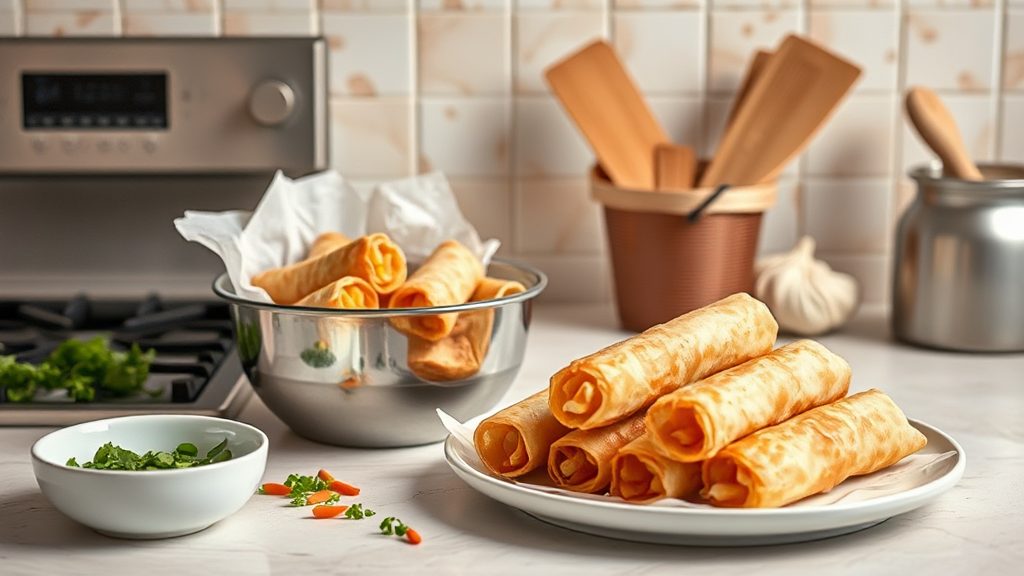
If you’re craving a snack that’s both comforting and exciting, this Korean corn egg rolls recipe will become your new go-to. These crispy, golden rolls combine fluffy eggs with sweet corn kernels and melty cheese, creating a texture and flavor combination that’s absolutely irresistible. Whether you’re looking for a quick breakfast, an after-school snack, or a creative side dish, these Korean-style egg rolls deliver satisfaction in every bite.
The beauty of gyeran mari corn (계란말이), as it’s known in Korea, lies in its simplicity and versatility. Unlike traditional Korean egg rolls that are simply rolled omelets, this variation incorporates sweet corn and cheese for added texture and richness. You’ll find these served at street food stalls, in lunchboxes, and as popular bar snacks throughout Korea. The best part? You can master this recipe with just a few ingredients and about 15 minutes of your time.
Understanding Korean Egg Roll Snacks and Their Appeal
Korean egg rolls differ significantly from the Chinese-American spring rolls you might be thinking of. These are made entirely from eggs that are cooked, filled, and rolled into compact cylinders or folded into neat rectangles. The korean egg roll snack has evolved from a simple home-cooked dish into countless variations, with corn and cheese being one of the most beloved modern twists.
What makes this particular version so appealing is the contrast of textures. The eggs create a tender, slightly springy exterior when cooked properly, while the corn adds little bursts of sweetness and a satisfying pop with each chew. The cheese—typically mozzarella or cheddar—melts into creamy pockets that bind everything together. This combination has made corn egg rolls a staple in Korean convenience stores and a favorite among children and adults alike.
The technique for making these rolls is forgiving, which makes them perfect for beginners exploring Korean cooking. Unlike delicate French omelets that require precise temperature control, Korean egg rolls embrace a slightly higher heat and a more hands-on rolling or folding technique. You’ll develop a feel for the process quickly, and even imperfect rolls taste delicious.
Ingredients You’ll Need for Perfect Corn Egg Rolls
Gathering your ingredients before you start cooking is essential for this recipe, as the cooking process moves quickly once you begin. Here’s what you’ll need for approximately 2-3 servings:
- 4 large eggs – The foundation of your roll; room temperature eggs mix more smoothly
- 1/3 cup sweet corn kernels – Canned, frozen (thawed), or fresh all work well; drain canned corn thoroughly
- 1/4 cup shredded mozzarella cheese – Mozzarella melts beautifully, but mild cheddar is also excellent
- 2 tablespoons milk – Adds creaminess and helps the eggs stay tender
- 1/4 teaspoon salt – Adjust to taste based on your cheese’s saltiness
- 1/8 teaspoon black pepper – A light seasoning that doesn’t overpower
- 1 tablespoon cooking oil – Vegetable, canola, or a neutral oil with a high smoke point
- Optional: 1 green onion, finely chopped – Adds a mild onion flavor and visual appeal
- Optional: 1/2 teaspoon sugar – Enhances the corn’s natural sweetness
The ingredient ratios matter more than you might expect. Too much corn or cheese will make the egg mixture difficult to roll without breaking, while too little results in a bland, plain egg. The proportions listed above create the ideal balance where the egg holds together while showcasing the filling ingredients in every bite.
When selecting corn, frozen varieties often taste fresher than canned since they’re flash-frozen at peak ripeness. If using canned corn, look for low-sodium options and rinse the kernels briefly to remove excess salt and the slightly metallic taste that can come from the can. For the most authentic experience, visit a Korean grocery store where you’ll find the exact cheese blends Koreans use, though standard supermarket mozzarella works perfectly fine.
Step-by-Step Korean Corn Egg Rolls Recipe
Now let’s walk through the cooking process for making crispy egg rolls with that characteristic golden exterior. The key is maintaining medium heat throughout—too hot and the outside burns before the inside sets; too cool and you’ll end up with a rubbery texture.
Step 1: Prepare Your Egg Mixture
Crack the eggs into a medium bowl and add the milk, salt, and pepper. Whisk thoroughly until the yolks and whites are completely combined and the mixture is uniform in color. You want to see small bubbles forming on the surface—this means you’ve incorporated enough air to make the eggs fluffy. Gently fold in the corn kernels, shredded cheese, and green onion if using. Don’t overmix at this stage; you want the add-ins evenly distributed but not crushed.
Step 2: Heat Your Pan Properly
Use a non-stick rectangular pan (often called a tamagoyaki pan) if you have one, as the shape makes rolling easier. A regular 8-inch non-stick skillet works perfectly fine too. Place it over medium heat and add about one-third of your oil. Let it heat for 30-45 seconds—you’ll know it’s ready when a tiny drop of egg mixture sizzles gently but doesn’t spatter aggressively.
Step 3: Cook the First Layer
Pour in roughly one-third of your egg mixture, tilting the pan to spread it evenly across the surface. The mixture should sizzle softly. Let it cook undisturbed for about 45-60 seconds until the bottom sets but the top remains slightly wet. Use a spatula to gently lift an edge and check—you want a light golden color underneath, not brown.
Step 4: Roll or Fold Your Egg
Here’s where technique matters for achieving that characteristic shape. If using a rectangular pan, start rolling from one end to the other using a spatula and chopsticks (or a second spatula). Roll it firmly enough that it holds together but gently enough not to squeeze out the filling. If using a round pan, you can either fold it in thirds like a letter or fold it in half twice to create a square package. Push the rolled portion to one side of the pan.
Step 5: Add and Roll the Remaining Layers
Add a bit more oil to the empty part of the pan. Pour in half of the remaining egg mixture, lifting your first roll slightly so the new egg flows underneath it. This creates layers that bond together. Once this layer sets (another 45-60 seconds), roll the existing roll over the new egg, incorporating it into your growing cylinder. Repeat this process with the final third of your mixture.
Step 6: Finish and Shape
Once everything is rolled together, let the complete roll cook for another 30 seconds on each side, turning it gently to ensure even coloring. The exterior should be uniformly golden. Transfer to a cutting board and let it rest for 2-3 minutes—this allows the interior to finish setting with residual heat and makes slicing much cleaner.
Step 7: Slice and Serve
Using a sharp knife wiped clean between cuts, slice the roll into 1-inch thick pieces. The cross-section should reveal beautiful layers with corn and cheese distributed throughout. Arrange the pieces cut-side up on a plate for an attractive presentation.
What Makes These Egg Rolls Crispy Instead of Soft?
The texture of your crispy egg roll depends primarily on heat management and the milk-to-egg ratio. Achieving that slightly crispy exterior while maintaining a tender interior requires cooking at a consistent medium heat and avoiding excess liquid in your mixture.
When eggs cook at the proper temperature, the proteins on the surface develop a firmer, slightly caramelized layer that provides textural contrast to the softer interior. Too much milk or undercooking results in egg rolls that are uniformly soft and pale. The small amount of oil you add between layers also contributes to crispiness, creating those delightfully browned spots on the exterior.
Another factor is moisture from your corn and cheese. This is why draining canned corn thoroughly matters—excess water steams the eggs from within, preventing that crispy exterior from forming. If you want an extra-crispy result, after completing your roll, you can press it gently with a spatula while cooking those final 30 seconds on each side. This creates more surface contact with the hot pan and develops a more pronounced golden crust.
Expert Tips for Gyeran Mari Corn Success
After making countless batches of gyeran mari corn, certain techniques consistently produce superior results. These insights will help you avoid common pitfalls and achieve restaurant-quality egg rolls at home.
Temperature control is everything. If your eggs are browning too quickly or sticking despite using a non-stick pan, your heat is too high. Conversely, if the eggs seem to take forever to set and release a lot of water, increase the heat slightly. Medium heat should allow the bottom to set in about one minute. Every stove is different, so you may need to adjust after your first attempt.
Don’t skip the resting period. Slicing your roll immediately after removing it from heat often results in it partially falling apart or oozing cheese. Those 2-3 minutes of rest time allow the proteins to firm up fully and the cheese to set slightly, making for much cleaner slices and better presentation.
Customize your filling strategically. While corn and cheese form the classic combination, you can add finely diced bell peppers, mushrooms, or ham. The key word is “finely”—chunky additions make rolling difficult and create structural weak points. Any vegetable additions should be pre-cooked to remove excess moisture. Meats should be fully cooked and chopped into pieces no larger than the corn kernels.
Use the right tools. Silicone spatulas work better than metal ones for this recipe because they’re flexible enough to get under delicate egg layers without tearing. Chopsticks are excellent for the actual rolling motion because they give you precise control. If you don’t have chopsticks, a pair of butter knives works in a pinch.
Make extra for meal prep. These egg rolls store beautifully in the refrigerator for up to three days. Let them cool completely, store in an airtight container, and reheat individual portions in a dry pan over medium-low heat for about one minute per side. They won’t be quite as crispy as when fresh, but they’re still delicious. You can also freeze them for up to a month, though the texture does suffer slightly upon thawing.
Serving Suggestions and Accompaniments
While Korean corn egg rolls are delicious on their own, pairing them thoughtfully elevates the experience. In Korea, these are often served as banchan (side dishes) alongside rice and soup, included in dosirak (lunchboxes), or enjoyed as standalone snacks with various dipping sauces.
For dipping sauces, try mixing equal parts soy sauce and rice vinegar with a pinch of sesame seeds for a simple but complementary option. Ketchup is surprisingly popular in Korea for egg dishes, especially among children. A sweet chili sauce provides a nice kick that contrasts with the mild sweetness of the corn. Some people enjoy them with a dab of mayonnaise or a yogurt-based ranch-style dressing.
🍚 Staple: a good rice vinegar brightens banchan and quick pickles without overpowering. Grab the one I reach for →
As an Amazon Associate I earn from qualifying purchases.
🥢 Pantry staple: keep toasted sesame seeds within reach for namul, rice, and marinades. Grab the ones I use →
As an Amazon Associate I earn from qualifying purchases.
As part of a larger meal, these egg rolls pair beautifully with kimchi fried rice, Korean-style pasta (cream-based), or alongside other Korean comfort foods. They’re substantial enough to serve as a light main course when paired with a simple salad and some pickled vegetables. For breakfast, serve them with toast and fresh fruit for a protein-rich start to your day.
In lunchboxes, let the rolls cool completely before packing to prevent condensation that makes them soggy. Pack the dipping sauce separately in a small container. Kids especially love these because they’re fun to eat and not too spicy or challenging flavor-wise. They’re also excellent for picnics since they taste good at room temperature.
For entertaining, arrange the sliced egg rolls on a platter in a circular pattern with a small bowl of sauce in the center. Garnish with a sprinkle of additional green onions or a few pieces of cherry tomato for color. They make excellent finger food for parties because they’re not messy and can be picked up easily with toothpicks.
Troubleshooting Common Korean Corn Egg Roll Issues
Even with clear instructions, you might encounter some challenges on your first few attempts. Here’s how to solve the most common problems when making this korean corn egg rolls recipe.
Problem: The egg sticks to the pan despite using non-stick cookware. This usually means insufficient oil or the pan wasn’t hot enough when you added the egg mixture. Make sure you see that gentle sizzle when the egg hits the pan. Add slightly more oil before each layer—you’re not deep frying, but you need enough to create a barrier between the egg and the pan surface.
Problem: The roll falls apart when you try to roll it. You’re likely attempting to roll too early, before the bottom has set sufficiently, or the top is still too wet. Wait until only the very top surface looks slightly glossy but the rest has clearly firmed up. Using a spatula to fold rather than roll can also help if you’re struggling—folded versions are just as delicious and somewhat more forgiving for beginners.
Problem: The corn and cheese distribute unevenly. This happens when the add-ins sink to the bottom of your bowl before you pour. Give your egg mixture a gentle stir immediately before pouring each portion into the pan. Also, make sure you’re dividing the mixture into thirds as evenly as possible rather than eyeballing it.
Problem: The center is still runny after slicing. Your heat might be too high, cooking the outside too quickly while leaving the inside underdone. Reduce to medium-low heat and give each layer a bit more time. The resting period also helps—if you cut into it too early, the very center might not have finished cooking with residual heat.
Problem: The exterior is too brown or tastes slightly burnt. Definitely reduce your heat. The entire cooking process should take 6-8 minutes from first pour to finished roll. If you’re done in less than five minutes, your temperature is too high. Remember that golden brown is the goal, not dark brown.
Learning to make gyeran mari is a journey, and like many skills explored in learning new things, it improves dramatically with practice. Your second attempt will be noticeably better than your first, and by your fifth, you’ll likely have developed your own preferred technique and timing.
Making Korean Corn Egg Rolls Part of Your Routine
This korean corn egg rolls recipe deserves a regular spot in your cooking rotation. It’s quick enough for busy weekday mornings, impressive enough for weekend brunch guests, and satisfying enough to cure those afternoon snack cravings. The ingredient list is simple and affordable, with most items likely already in your refrigerator.
What makes this dish particularly valuable in 2026 is its versatility in an era where we’re all looking for recipes that can serve multiple purposes. These egg rolls work as breakfast, lunch components, snacks, or dinner sides. They’re equally at home in an adult’s work lunchbox or a child’s school lunch. They accommodate various dietary preferences easily—use plant-based cheese for a vegetarian version, add diced ham for extra protein, or keep them simple with just corn for picky eaters.
As you become comfortable with the basic recipe, you’ll find yourself experimenting with variations. Try adding kimchi for a spicy-tangy version, or use crab meat instead of corn for a more luxurious take. The rolling technique you master here also transfers directly to making traditional plain gyeran mari, vegetable-filled versions, or even sweet dessert egg rolls with sugar and cinnamon.
The skills you develop making these rolls—heat management, the feel of properly set eggs, the rolling motion—will improve your overall egg-cooking abilities. You’ll find yourself making better omelets, scrambled eggs, and frittatas as a side benefit. Start with this recipe today, and within 15 minutes, you’ll be enjoying a delicious Korean snack that you made entirely from scratch. The combination of crispy edges, fluffy eggs, sweet corn, and melted cheese creates a comfort food experience that truly satisfies, and once you’ve tasted your own homemade version, you’ll understand why these have become such a beloved staple in Korean homes and street food culture.