As an Amazon Associate I earn from qualifying purchases. This post contains affiliate links, which means I may earn a small commission — at no extra cost to you — if you buy through them. I only recommend things I believe are genuinely worth your time.
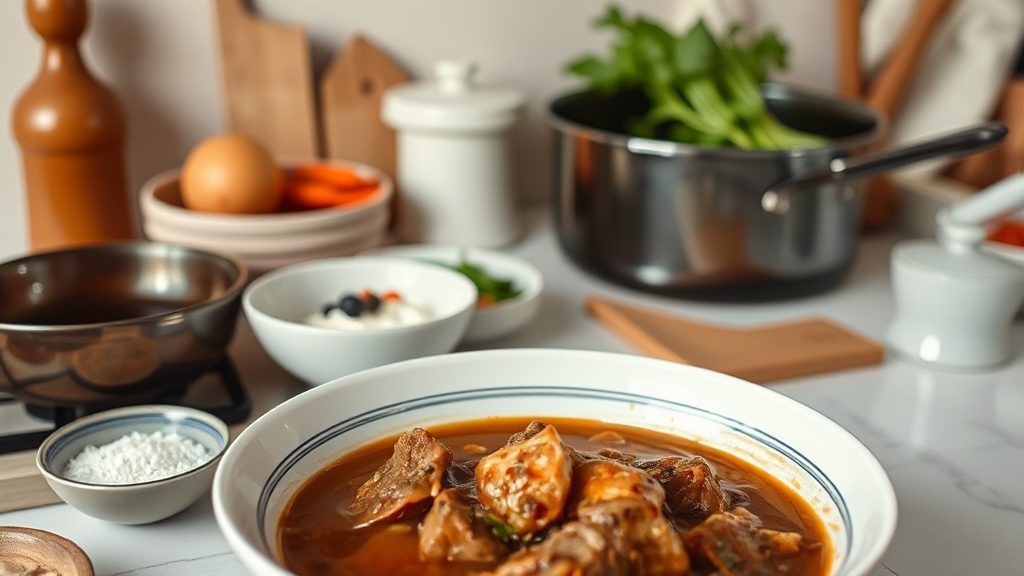
There’s something deeply satisfying about a bowl of tender, fall-apart beef simmered in a rich, savory-sweet sauce that makes Korean beef stew yukkaejjim one of the ultimate comfort foods. This traditional Korean braised beef dish transforms tough cuts of meat into melt-in-your-mouth perfection through slow cooking with aromatic vegetables, soy sauce, and a touch of sweetness. Whether you’re new to Korean cooking or already a fan of Korean cuisine, this yukkaejjim recipe will become your go-to dish for cozy family dinners and special gatherings.
Unlike quick stir-fries or simple soups, yukkaejjim requires patience but rewards you with incredibly tender meat and deeply developed flavors. The best part? Once everything is in the pot, the dish practically cooks itself, filling your kitchen with an irresistible aroma that signals something truly special is on the way. Let’s walk through everything you need to know to make this Korean comfort food masterpiece in your own kitchen.
Understanding Yukkaejjim: The Heart of Korean Braised Beef
Yukkaejjim (육개장) literally translates to “steamed meat” in Korean, though the cooking method is actually braising rather than steaming. This dish belongs to the category of jjim, which refers to Korean steamed or braised dishes where ingredients are cooked slowly in liquid until tender. The technique dates back centuries in Korean culinary tradition, originally created as a way to make tougher, less expensive cuts of beef wonderfully tender and flavorful.
What sets yukkaejjim apart from other Korean braised beef preparations is its perfect balance of flavors. The sauce combines soy sauce’s umami depth with the natural sweetness of Korean pear or sugar, enhanced by garlic, ginger, and sesame oil. As the beef braises, it absorbs these flavors while simultaneously enriching the sauce, creating a harmonious blend that coats every piece of meat and vegetable. You’ll often find yukkaejjim served at Korean celebrations, holidays, and family gatherings because it’s substantial enough to feed a crowd and impressive enough to mark special occasions.
🥢 One upgrade that matters: cheap sesame oil tastes flat — a real toasted one is nutty and fragrant. This is the toasted sesame oil I use →
As an Amazon Associate I earn from qualifying purchases.
The vegetables play an equally important role in this dish. Traditional yukkaejjim includes Korean radish (mu), carrots, and chestnuts, which not only add nutritional value but also absorb the delicious braising liquid. The radish softens and sweetens during the long cooking process, while chestnuts provide a unique texture contrast to the tender beef. These elements work together to create a complete, satisfying meal that exemplifies the Korean philosophy of balanced eating.
Essential Ingredients for Your Korean Beef Stew Yukkaejjim
The key to exceptional yukkaejjim starts with selecting the right cut of beef. You’ll want a tougher, well-marbled cut that becomes tender through slow cooking. Beef chuck roast is ideal because it has enough connective tissue and fat to remain moist and flavorful throughout the braising process. Short ribs also work beautifully, though they’re typically more expensive. Plan for about 2 to 2.5 pounds of beef for a recipe that serves 4-6 people. Cut the meat into large 2-inch chunks—they’ll shrink during cooking, and larger pieces maintain better texture.
For the braising liquid and seasoning base, you’ll need:
- 1/2 cup soy sauce (use Korean ganjang if available for authentic flavor)
- 3 tablespoons sugar or 1/4 cup grated Korean pear
- 2 tablespoons rice wine or mirin
- 1 tablespoon sesame oil
- 6-8 cloves garlic, minced
- 1 tablespoon fresh ginger, grated
- 1/2 teaspoon black pepper
- 2 cups water or beef stock
🍶 Staple: mirin lasts a long time and shows up in tons of these recipes. Grab the one I reach for →
As an Amazon Associate I earn from qualifying purchases.
🫙 Korean soy sauce (ganjang) is brewed for a cleaner, deeper flavor than generic soy sauce. Here’s the one I use →
As an Amazon Associate I earn from qualifying purchases.
The vegetable component includes:
- 1 large Korean radish (mu) or daikon, cut into 2-inch pieces
- 2 medium carrots, cut into chunks
- 1 medium onion, quartered
- 10-12 chestnuts (fresh, jarred, or frozen)
- 4-5 dried jujubes (optional but traditional)
- 2 green onions for garnish
- Toasted sesame seeds for garnish
🥢 Toasted sesame seeds add that signature nutty crunch and aroma to Korean dishes. Here’s the jar I keep on hand →
As an Amazon Associate I earn from qualifying purchases.
Don’t worry if you can’t find some of these ingredients. Korean radish can be substituted with daikon radish or even regular radish in a pinch, though the texture will be slightly different. If chestnuts aren’t available at your local store, you can use small potatoes cut into chunks—they won’t provide the same subtle sweetness, but they’ll add substance and absorb the sauce beautifully. Dried jujubes add a traditional touch and mild sweetness, but the dish works perfectly well without them.
Step-by-Step Yukkaejjim Recipe Instructions
Start by preparing your beef properly, which makes a significant difference in the final texture of your yukkaejjim recipe. If you have time, soak the beef chunks in cold water for about 30 minutes, changing the water once or twice. This process removes excess blood and impurities that can make the braising liquid cloudy or slightly bitter. After soaking, pat the beef completely dry with paper towels—this helps it brown better in the initial searing step.
Heat 1 tablespoon of neutral oil in a large, heavy-bottomed pot or Dutch oven over medium-high heat. Working in batches to avoid crowding, sear the beef chunks on all sides until they develop a golden-brown crust, about 2-3 minutes per side. This browning step isn’t just for appearance—it creates complex flavors through the Maillard reaction that enhance the entire dish. Remove the seared beef to a plate and set aside.
🍲 A Dutch oven here’s the Dutch oven I use →
As an Amazon Associate I earn from qualifying purchases.
In the same pot, add your onion quarters and sauté for about 2 minutes until they start to soften. This allows them to pick up the flavorful browned bits from the beef. Return the seared beef to the pot, then add the soy sauce, sugar (or grated pear), rice wine, sesame oil, garlic, ginger, and black pepper. Stir everything together so the beef is well coated with the seasonings. Let this cook for about 2 minutes, stirring occasionally, allowing the sugar to dissolve and the aromatics to bloom.
Add the water or beef stock to the pot—the liquid should come about halfway up the beef but not completely cover it. Bring everything to a boil, then immediately reduce the heat to low. Cover the pot with a tight-fitting lid and let it simmer gently. This is where patience becomes your best ingredient. The beef needs at least 90 minutes of slow simmering to become tender, though 2 hours is even better. Check occasionally and add a bit more water if the liquid level drops too much.
After the beef has cooked for about 60 minutes and is starting to become tender, add your radish, carrots, chestnuts, and jujubes if using. These vegetables need less cooking time than the beef, so adding them later prevents them from becoming mushy. Continue simmering for another 30-45 minutes until the vegetables are tender when pierced with a fork and the beef is so tender it practically falls apart when you touch it with chopsticks.
In the final 5 minutes of cooking, taste the sauce and adjust the seasoning if needed. If it’s too salty, add a small amount of water. If it needs more depth, add another splash of soy sauce. If it’s not sweet enough for your taste, stir in a teaspoon of sugar. The sauce should be rich, glossy, and flavorful enough to serve over rice. If it seems too thin, you can remove the lid and increase the heat slightly to reduce it, or mix 1 tablespoon of cornstarch with 2 tablespoons of cold water and stir it into the stew.
What Makes Korean Beef Stew Different from Other Braised Beef Dishes?
Korean beef stew yukkaejjim distinguishes itself through its unique balance of savory and sweet flavors, the inclusion of Korean radish and chestnuts, and the use of sesame oil and Asian aromatics like ginger and garlic. Unlike Western pot roasts that often feature tomatoes and herbs, or Japanese nikujaga with its lighter seasoning, yukkaejjim showcases the Korean approach to creating deeply savory dishes with layered complexity.
The cooking technique also differs in important ways. While many Western braised dishes cook at higher temperatures for shorter times, yukkaejjim benefits from very gentle, extended simmering that allows the beef to become exceptionally tender without drying out. The sauce reduction happens gradually throughout cooking rather than as a separate finishing step, which means the flavors concentrate naturally and evenly coat all the ingredients. This method also allows the vegetables to absorb maximum flavor while maintaining their structural integrity.
Another distinguishing feature is the serving style and accompaniments. Yukkaejjim is typically served family-style in the pot it was cooked in, placed at the center of the table alongside steamed white rice, kimchi, and other banchan (side dishes). The rice acts as a vehicle for the rich sauce, while the kimchi provides a spicy, tangy contrast that cuts through the richness. This communal eating style reflects Korean dining culture and makes the meal feel special and connected. If you’re interested in exploring more aspects of Korean culture beyond food, you might enjoy the Korean learning resources available on the site.
Expert Tips for Perfect Korean Comfort Food Every Time
Temperature control makes or breaks this dish. The most common mistake when making easy Korean beef dishes like yukkaejjim is cooking at too high a temperature. Your braising liquid should barely bubble—you want to see just a few gentle bubbles breaking the surface, not a rolling boil. High heat will make the beef tough and stringy no matter how long you cook it. If you’re unsure about your stovetop’s low setting, use an oven instead. After bringing the stew to a simmer on the stovetop, transfer your covered pot to a 300°F (150°C) oven where the heat surrounds the pot evenly and maintains a consistent gentle simmer.
The quality and cut of beef significantly impact your results. While chuck roast is the most accessible and reliable choice in 2026, don’t hesitate to ask your butcher for recommendations. Some butchers sell “stew meat” pre-cut, but these pieces are often too small and from inconsistent cuts. You’re better off buying a whole chuck roast and cutting it yourself into uniform 2-inch pieces. The uniformity ensures everything cooks at the same rate, so you don’t end up with some pieces perfectly tender while others are still tough.
Make yukkaejjim in advance for even better results. Like many braised dishes, this Korean comfort food tastes even better the next day after the flavors have had time to meld and mature. The beef also reabsorbs some of the sauce as it cools, making it even more flavorful. Store it in an airtight container in the refrigerator for up to 4 days. When reheating, do so gently over low heat on the stovetop, adding a splash of water if the sauce has thickened too much. You can also freeze yukkaejjim for up to 3 months—portion it into meal-sized containers for easy weeknight dinners.
Consider using a pressure cooker or Instant Pot if you need to reduce cooking time. While traditional slow simmering produces the best results, modern pressure cooking can create tender beef in about 45 minutes. Use the same ingredient ratios, sear the beef using the sauté function, add all ingredients except the vegetables, and cook on high pressure for 30 minutes with natural release. Then add the vegetables and cook for another 10 minutes on high pressure. The texture won’t be quite as refined as the traditional method, but it’s an excellent weeknight shortcut.
Serving Suggestions and Meal Pairings
The traditional way to serve yukkaejjim creates a complete, balanced Korean meal experience. Place a large bowl of steamed short-grain white rice in front of each person, then bring the pot of yukkaejjim to the table while it’s still piping hot. Each person takes portions of beef, vegetables, and sauce, placing them on top of or alongside their rice. The rice soaks up the savory sauce, and every bite combines the tender beef with the sweet vegetables and fluffy rice for perfect balance.
Accompany your Korean braised beef with a selection of banchan that provide contrasting flavors and textures. Kimchi is essential—its spicy, funky acidity cuts through the richness of the beef beautifully. Add some seasoned spinach (sigeumchi namul) for a mild, healthy vegetable option, cucumber kimchi (oi sobagi) for freshness and crunch, and perhaps some seasoned bean sprouts (kongnamul). These side dishes don’t need to be elaborate; even store-bought kimchi and one or two simple vegetable preparations will complete the meal.
For a modern twist, consider serving yukkaejjim over noodles instead of rice. Thick wheat noodles or even spaghetti work surprisingly well, turning this into a Korean-Italian fusion comfort bowl. The sauce clings to the noodles beautifully, and the tender beef becomes a luxurious topping. You could also serve it in individual bowls as a hearty stew, perfect for cold weather dinners. Garnish generously with sliced green onions and toasted sesame seeds just before serving—these final touches add fresh flavor and visual appeal.
Don’t overlook the leftover possibilities. Shred any remaining beef and use it for fried rice, mixing it with the sauce, some vegetables, and day-old rice for an incredible next-day meal. The beef also makes excellent sandwich filling—try it in a crusty baguette with quick-pickled vegetables. Some people even use leftover yukkaejjim as a topping for bibimbap or mixed into ramyeon for an upgraded instant noodle experience.
Making Yukkaejjim Your Own
Now that you understand the fundamentals of making Korean beef stew yukkaejjim, you’re equipped to bring this comforting dish into your regular cooking rotation. The beauty of this recipe lies in its flexibility—once you’ve mastered the basic technique, you can adjust seasonings to match your preferences, substitute vegetables based on what’s available, and even experiment with different cuts of meat while maintaining the soul of the dish.
Remember that the keys to success are patience during the slow braising process, quality beef cut into proper-sized chunks, and the distinctive Korean flavor profile of soy sauce, garlic, ginger, and sesame. Don’t rush the cooking time, and don’t be afraid to taste and adjust the seasoning toward the end. Each time you make yukkaejjim, you’ll develop a better intuition for when the beef reaches that perfect fall-apart tenderness and when the sauce achieves the ideal consistency and flavor balance.
This dish represents more than just a meal—it embodies the Korean approach to comfort food, where time and care transform simple ingredients into something truly special. Whether you’re cooking for family, friends, or just treating yourself to something nourishing and delicious, yukkaejjim delivers warmth, satisfaction, and a taste of authentic Korean home cooking. Find more Korean recipes and cultural insights to continue your culinary journey beyond this wonderful braised beef dish.