As an Amazon Associate I earn from qualifying purchases. This post contains affiliate links, which means I may earn a small commission — at no extra cost to you — if you buy through them. I only recommend things I believe are genuinely worth your time.
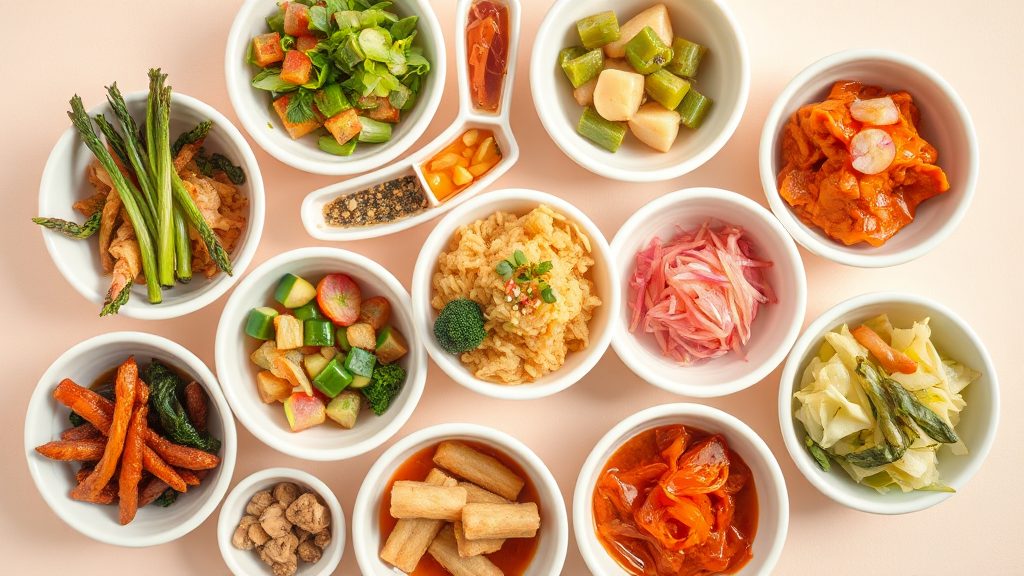
If you’ve ever enjoyed a Korean meal, you know that the main dish is only part of the experience. The real magic happens when your table fills with small plates of colorful, flavorful side dishes that transform an ordinary dinner into a feast. These beloved accompaniments are called banchan, and learning to make Korean banchan recipes at home is one of the most rewarding ways to bring authentic Korean flavors into your kitchen. Whether you’re preparing a simple weeknight dinner or hosting friends, these versatile side dishes add depth, variety, and that distinctive balance of flavors that makes Korean cuisine so special.
The beauty of banchan lies in their versatility and their ability to be prepared ahead of time. Most banchan keep well in the refrigerator for several days, and many actually taste better after the flavors have had time to meld together. From quick-pickled vegetables to savory braised dishes, these easy Korean side dishes will help you create restaurant-quality meals at home without spending hours in the kitchen.
Understanding the Role of Banchan in Korean Meals
Before diving into specific recipes, it helps to understand what makes banchan such an integral part of Korean dining culture. Unlike Western side dishes that might accompany only specific main courses, banchan appear at nearly every Korean meal. These small plates create balance on the table, offering different textures, temperatures, and flavor profiles that complement the main dish while standing delicious on their own.
Traditional Korean meals follow the principle of balance—not just in nutrition, but in taste and color as well. You’ll typically find a mix of fermented dishes like kimchi, fresh vegetables, protein-based banchan, and cooked vegetable sides. This variety ensures that every bite can be different, letting you create your own flavor combinations as you eat. The number of banchan served can vary from just two or three at a home meal to a dozen or more at special occasions or in restaurants.
When planning your banchan spread, aim for diversity. If your main dish is spicy, include some mild, cooling sides. If it’s rich and heavy, add light, crisp vegetables. This approach to meal composition reflects a deeper philosophy about food and health that has made Korean cuisine increasingly popular worldwide. If you’re interested in learning more about Korean culture beyond the kitchen, you might enjoy exploring Korean learning resources that cover language and traditions.
Essential Korean Banchan Recipes for Beginners
Starting with a few foundational recipes will give you confidence and help you understand the basic techniques that appear across many banchan. These beginner-friendly options require minimal ingredients and come together quickly, making them perfect for your first attempts at Korean banchan recipes.
Sigeumchi Namul (Seasoned Spinach): This simple blanched spinach dish is one of the most common banchan you’ll find. Blanch fresh spinach for about 30 seconds, squeeze out excess water, and toss with minced garlic, sesame oil, soy sauce, and toasted sesame seeds. The key is to remove as much water as possible after blanching—this prevents the dish from becoming watery and diluting the seasonings. This banchan keeps for 3-4 days refrigerated and tastes great cold or at room temperature.
🥢 Toasted sesame seeds add that signature nutty crunch and aroma to Korean dishes. Here’s the jar I keep on hand →
As an Amazon Associate I earn from qualifying purchases.
🥢 Sesame oil tip: look for 100% toasted sesame oil, not the pale kind. Here’s the bottle I keep by the stove →
As an Amazon Associate I earn from qualifying purchases.
Oi Muchim (Spicy Cucumber Salad): Fresh, crunchy, and refreshing, this cucumber banchan provides a cooling contrast to rich main dishes. Slice English or Korean cucumbers thinly, salt them lightly for 10 minutes to draw out moisture, then squeeze dry and toss with gochugaru (Korean red pepper flakes), garlic, rice vinegar, sesame oil, and a touch of sugar. Unlike some banchan, this one is best eaten within a day or two while the cucumbers retain their crunch.
🍚 Pantry tip: rice vinegar is gentler than regular vinegar and worth keeping stocked. This is the one I buy →
As an Amazon Associate I earn from qualifying purchases.
🌶️ Pantry note: real Korean gochugaru makes a noticeable difference here. This is the bag I reach for →
As an Amazon Associate I earn from qualifying purchases.
Gamja Jorim (Braised Potatoes): These sweet and savory braised baby potatoes are irresistibly addictive. Simmer small potatoes in a mixture of soy sauce, rice syrup or honey, garlic, and water until the liquid reduces to a glossy glaze. The potatoes should be tender but not mushy, with a slightly caramelized exterior. This banchan stores exceptionally well and often tastes even better the next day after the potatoes have absorbed more of the sauce.
🍯 Glaze tip: a spoon of rice syrup adds shine to tteokbokki, jorim, and stir-fries. This is the bottle I buy →
As an Amazon Associate I earn from qualifying purchases.
Kongjang (Braised Black Soybeans): If you’re looking for something that requires very little active cooking time, these simmered black soybeans are perfect. Combine canned or cooked black soybeans with soy sauce, rice syrup, and sesame oil, then simmer until the liquid reduces. The result is sweet, salty, and protein-rich. These keep for up to a week in the refrigerator and make an excellent addition to any meal.
Vegetable-Based Banchan Ideas for Year-Round Enjoyment
Vegetables form the foundation of most banchan spreads, and Korean cooking has developed countless ways to transform simple produce into memorable dishes. These easy Korean side dishes showcase seasonal vegetables while teaching you fundamental Korean cooking techniques.
Kongnamul Muchim (Seasoned Soybean Sprouts): Crunchy soybean sprouts get a simple but flavorful treatment in this classic banchan. Boil the sprouts until just tender but still crisp (about 5 minutes), drain thoroughly, and season with sesame oil, minced garlic, scallions, and salt. Some versions add a small amount of gochugaru for heat. The trick is to season while the sprouts are still warm so they absorb the flavors better. This dish keeps for about 3 days refrigerated.
Hobak Bokkeum (Stir-Fried Zucchini): This quick stir-fry transforms ordinary zucchini into something special. Slice zucchini into thin half-moons, stir-fry with a bit of oil and minced garlic until just tender, then season with salt and sesame seeds. The key is not to overcook—the zucchini should retain some texture. For extra flavor, add a few drops of sesame oil at the end. This banchan is best served the same day while the texture is still firm.
Mu Saengchae (Spicy Radish Salad): Julienned Korean radish (mu) gets dressed with gochugaru, garlic, rice vinegar, sugar, and fish sauce for a spicy, tangy banchan that awakens your palate. The radish releases some liquid as it sits, so this banchan is best eaten within 1-2 days. If you can’t find Korean radish, daikon works as a substitute. This dish provides a wonderful textural contrast and bright, sharp flavors that cut through rich foods.
🐟 Flavor tip: fish sauce is the secret umami in so many of these dishes. This is the one I keep by the stove →
As an Amazon Associate I earn from qualifying purchases.
For more ideas on incorporating Korean flavors into your cooking, you’ll find additional recipes and techniques that complement these banchan perfectly.
What Makes Banchan Different from Regular Side Dishes?
Banchan differs from typical Western side dishes in several important ways. First, multiple banchan are served simultaneously, creating a varied spread rather than a single accompaniment. Second, banchan are meant to be shared and eaten throughout the meal alongside rice and the main dish, rather than finished before the entrée arrives. Finally, many banchan feature fermented or preserved ingredients that add complexity and health benefits you won’t find in simple steamed vegetables or basic salads.
The preparation methods also set banchan apart. Many involve specific techniques like blanching and squeezing vegetables to remove excess moisture, creating concentrated flavors and ideal textures. Others rely on braising in seasoned liquids that reduce to glossy glazes, or quick-pickling methods that transform raw vegetables in minutes. These techniques may seem unfamiliar at first, but they’re actually quite simple once you understand the principles behind them.
Another distinguishing feature is the emphasis on balance and variety within the banchan selection itself. A well-planned banchan spread includes different preparation methods (raw, blanched, stir-fried, braised, fermented), various flavor profiles (spicy, sweet, salty, sour), and diverse textures (crunchy, soft, chewy). This thoughtful composition turns a simple meal into something special and shows the care put into the cooking.
Protein and Seafood Banchan Recipes
While vegetable banchan dominate most spreads, protein-based options add heartiness and variety to your Korean meals. These dishes often become favorites because they’re so flavorful and satisfying.
Gyeran Jjim (Steamed Eggs): Though technically more of a small dish than a traditional banchan, these fluffy steamed eggs appear frequently on Korean tables. Beat eggs with water or broth, season lightly with salt, and steam in a pot or stone bowl until just set with a slightly jiggly center. Add chopped scallions and sesame seeds on top. The texture should be silky and soft, almost like a savory custard. This banchan must be served immediately while hot and fluffy.
🥘 Worth it: grab the dolsot I recommend →
As an Amazon Associate I earn from qualifying purchases.
Myeolchi Bokkeum (Stir-Fried Anchovies): These sweet and savory dried anchovies are incredibly addictive. Toast the anchovies briefly in a dry pan to remove any fishiness, then stir-fry with a sauce made from soy sauce, rice syrup, garlic, and gochugaru. The result is crunchy, sweet, spicy, and rich in calcium. These keep for up to two weeks in an airtight container at room temperature, though they rarely last that long.
🐟 Stock tip: a handful of dried anchovies gives soups their authentic backbone. This is the one I buy →
As an Amazon Associate I earn from qualifying purchases.
Ojingeo Bokkeum (Spicy Stir-Fried Squid): For seafood lovers, this spicy squid banchan delivers bold flavors. Stir-fry squid with vegetables like onions and carrots in a sauce made from gochugaru, gochujang, soy sauce, garlic, and sesame oil. The key is not to overcook the squid, which should remain tender. This banchan is best eaten immediately but can be refrigerated for 1-2 days.
🌶️ Need gochujang for this? This sweet-savory fermented chili paste is the heart of so many Korean dishes — here’s the tub I keep in my fridge →
As an Amazon Associate I earn from qualifying purchases.
Practical Tips for Meal Prep and Storage
One of the greatest advantages of making Korean banchan recipes is their meal-prep friendliness. Most banchan keep well for several days, allowing you to prepare multiple dishes on the weekend and enjoy them throughout the week. This approach not only saves time but actually improves the flavor of many dishes as the seasonings penetrate deeper.
Store banchan in glass containers with tight-fitting lids to maintain freshness and prevent odors from spreading in your refrigerator. Label containers with the preparation date so you know how long each banchan has been stored. Generally, braised and cooked banchan last longer than raw or lightly dressed ones. Fermented banchan like kimchi continue to develop flavor over time and can last for weeks when properly refrigerated.
When planning your banchan prep, consider making a mix of dishes with different shelf lives. Prepare longer-lasting options like braised potatoes, stir-fried anchovies, and seasoned black soybeans early in the week, then make fresher items like cucumber salad and blanched greens closer to when you’ll serve them. This strategy ensures you always have variety available without waste.
For serving, remember that most banchan taste best at room temperature or slightly chilled—you don’t need to reheat them. Simply remove from the refrigerator 15-20 minutes before eating to take the chill off. This makes banchan incredibly convenient for busy weeknights when you want a flavorful, varied meal without extensive cooking.
Consider batch-cooking your ingredients to make future banchan preparation even easier. Blanch several types of vegetables at once, prepare a large batch of seasoning sauce to divide among multiple dishes, or toast extra sesame seeds to have on hand. These small efficiencies make it realistic to maintain a well-stocked banchan refrigerator even with a busy schedule.
Building Your Banchan Repertoire
Starting with these ten banchan ideas gives you a solid foundation for creating authentic Korean meals at home. As you become comfortable with these recipes, you’ll notice common techniques and flavor profiles that appear across different dishes. This knowledge makes it easier to experiment and eventually create your own variations based on what vegetables are in season or what ingredients you have available.
The real joy of mastering banchan comes from the freedom it provides. Instead of planning elaborate single dishes, you can create impressive, varied meals by combining simple banchan with steamed rice and perhaps a soup or stew. This modular approach to cooking reduces stress while increasing the pleasure of eating. Your family and guests will appreciate the variety, and you’ll appreciate how manageable the preparation becomes with practice.
Don’t feel pressured to serve many banchan at once, especially when you’re starting out. Even two or three thoughtfully chosen sides alongside rice and a main dish create a satisfying Korean meal. As you build your skills and your collection of prepared banchan in the refrigerator, you’ll naturally expand your spreads. The key is consistency—making banchan regularly rather than attempting an overwhelming number of dishes at once.
Remember that these banchan ideas represent just a small sampling of the hundreds of variations found in Korean cuisine. Each region, family, and cook has their own specialties and preferences. As you explore these recipes, feel free to adjust seasonings to your taste, substitute vegetables based on availability, and develop your own signature versions. This personal adaptation is part of the living tradition of Korean cooking, where recipes evolve while maintaining their essential character.
Whether you’re cooking for yourself, your family, or guests, these Korean side dishes will transform your meals from ordinary to memorable. The techniques you learn while making banchan—from properly blanching vegetables to creating balanced seasoning mixtures—will improve your overall cooking skills and deepen your appreciation for Korean cuisine. Start with one or two recipes that appeal to you most, master those, then gradually add more to your repertoire. Before long, you’ll have the confidence and knowledge to set a beautiful Korean table any day of the week, bringing the warmth and abundance of Korean hospitality into your own home.