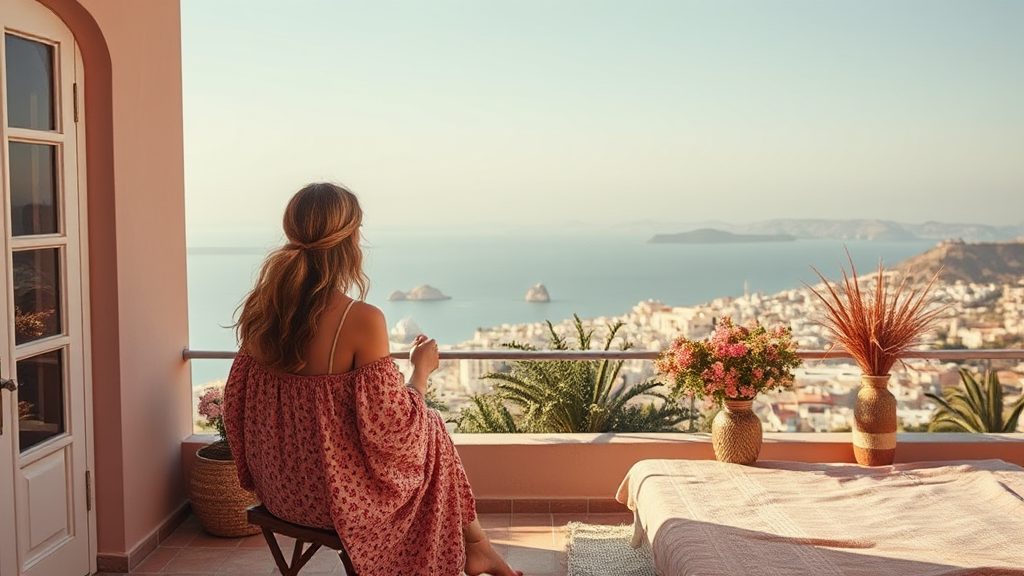
If you’re dreaming of adventure without draining your savings account, you’re in luck—the best budget travel destinations 2026 has to offer are more accessible and rewarding than ever. While popular tourist hotspots continue to inflate their prices, savvy travelers are discovering incredible hidden gems where your dollar stretches further, crowds are thinner, and authentic cultural experiences await around every corner. This guide will walk you through some of the most affordable yet unforgettable places you can explore this year, complete with practical tips to maximize your travel budget.
Why Budget Travel Destinations Are Better Than Ever in 2026
The travel landscape has shifted dramatically, creating unprecedented opportunities for budget-conscious explorers. Many countries have streamlined their visa processes, introduced budget-friendly infrastructure improvements, and developed tourism sectors specifically catering to cost-conscious travelers. Digital nomad visas have become more common, allowing extended stays that reduce daily costs significantly. Additionally, the rise of sustainable tourism has encouraged local communities to offer authentic, affordable experiences rather than overpriced tourist traps.
Currency fluctuations in 2026 have also worked in favor of travelers from countries with stronger currencies. Nations like Albania, Georgia, and Nicaragua offer exceptional value, where a comfortable meal costs less than $5 and quality accommodation runs under $30 per night. The expansion of budget airlines serving secondary airports has made reaching these destinations easier and more affordable than booking flights to traditional tourist cities. When you choose these cheap travel destinations, you’re not settling for less—you’re often getting more authentic experiences at a fraction of the cost.
Albania: Europe’s Most Underrated Affordable Paradise
Albania stands out as one of the best budget travel destinations 2026 offers in Europe, delivering Mediterranean beauty without the Mediterranean price tag. The Albanian Riviera rivals Greece and Croatia for stunning coastlines, yet you’ll pay 40-60% less for everything from beachfront guesthouses to fresh seafood dinners. Cities like Berat and Gjirokastër showcase Ottoman-era architecture with UNESCO World Heritage status, while the capital Tirana pulses with vibrant street art, trendy cafes, and a surprisingly cosmopolitan atmosphere.
Your daily budget in Albania can easily stay under $40-50 if you’re mindful. Street food like byrek (savory pastry) costs around $1-2, while a sit-down restaurant meal with local wine rarely exceeds $10-12 per person. Hostels start at $8-12 per night, and private guesthouse rooms average $25-35. Transportation is equally affordable—buses between cities cost $5-10, and you can rent a car for exploring the countryside for about $20-25 daily. The Albanian Alps in the north offer world-class hiking without the crowds or costs of the Swiss or Austrian Alps.
What makes Albania particularly appealing is how little the country appears on mainstream travel radar. You’ll encounter genuine hospitality from locals who are delighted to share their culture, and you won’t find yourself elbowing through Instagram crowds at every attraction. The beaches remain blissfully uncrowded even in peak summer, and you can actually have historical sites almost to yourself during shoulder season. For anyone considering travel adventures that combine natural beauty, history, and affordability, Albania should top your list.
Nicaragua: Central America’s Best-Kept Budget Secret
While neighboring Costa Rica has become synonymous with eco-tourism and high prices, Nicaragua offers similar natural wonders at dramatically lower costs. This makes it one of the most compelling cheap travel destinations for nature lovers and adventure seekers. Colonial cities like Granada and León showcase Spanish architecture against backdrops of volcanic landscapes, while the Pacific coast provides consistent surf breaks and pristine beaches without the development or price inflation of more famous spots.
The affordability in Nicaragua is striking. You can find comfortable private rooms for $15-25 per night, even in popular areas, and meals at local comedores (small restaurants) cost $3-5. Fresh fruit smoothies, abundant throughout the country, run about $1-2. Activities remain budget-friendly too—volcano boarding down Cerro Negro costs around $30 including equipment and transportation, kayaking through mangrove forests in the Isletas de Granada runs $15-20, and surfboard rentals at San Juan del Sur beaches start at $10 for the day.
Transportation throughout Nicaragua is incredibly economical using the chicken bus system (repurposed American school buses), where cross-country journeys rarely exceed $10. If you prefer more comfort, private shuttle services between main tourist destinations cost $25-40. The country’s compact size means you can experience diverse landscapes—colonial cities, volcanic lakes, cloud forests, Caribbean islands, and Pacific beaches—without spending much on getting around. English proficiency is improving in tourist areas, but learning some Spanish phrases enhances your experience and often leads to even better deals from local vendors.
Georgia: Where Ancient Culture Meets Modern Budget Travel
The country of Georgia (not the U.S. state) has emerged as a budget travel powerhouse, blending ancient winemaking traditions, stunning mountain scenery, and some of the most generous hospitality you’ll encounter anywhere. As one of the top affordable travel spots for 2026, Georgia offers exceptional value across accommodation, food, and experiences. The capital Tbilisi combines atmospheric old town architecture with thriving nightlife and contemporary art scenes, while regions like Svaneti provide untouched mountain villages straight out of medieval times.
Georgian cuisine represents one of the country’s best values—substantial meals featuring khachapuri (cheese bread) and khinkali (soup dumplings) typically cost $5-8 at restaurants, while street vendors sell fresh baked goods for under $1. Wine, integral to Georgian culture for over 8,000 years, flows abundantly and affordably, with quality bottles starting at $4-6 in shops and wine tastings at traditional wineries costing $10-15 including multiple varieties and snacks. Accommodation is equally budget-friendly, with guesthouse rooms in Tbilisi averaging $20-30 and countryside homestays offering authentic experiences for even less.
The country’s visa policy is particularly traveler-friendly, with citizens from many countries receiving visa-free entry for up to one year. Georgia has actively courted digital nomads and long-term travelers, understanding that extended stays benefit local economies. This forward-thinking approach extends to infrastructure—affordable marshrutkas (minibuses) connect even remote villages, metro rides in Tbilisi cost about $0.20, and intercity buses rarely exceed $10. The Georgian mountains offer world-class trekking without permits or fees, and many of the country’s ancient churches, fortresses, and cultural sites charge no entrance fees whatsoever.
What Makes These Budget Travel Ideas More Valuable Than Expensive Destinations?
Choosing budget destinations over expensive tourist hotspots often results in richer, more authentic travel experiences rather than compromised ones. In these hidden gems, your money goes toward genuine cultural immersion rather than inflated tourist-oriented pricing. You’ll eat where locals eat, stay in family-run guesthouses where hosts share stories and insider tips, and participate in community activities rather than observing from a distance.
The value proposition extends beyond just lower prices. Less-touristed destinations typically offer more meaningful interactions with local people, reduced environmental impact from over-tourism, and the satisfaction of discovering places before they appear in every travel influencer’s feed. You’re also more likely to have transformative experiences when you’re not rushing through expensive bucket-list checkboxes but instead spending quality time in fewer places. This slower, more intentional approach to travel often creates deeper memories and broader cultural understanding than whirlwind tours of expensive cities.
Practical Strategies for Maximizing Your Budget Travel Experience
Successfully navigating budget travel ideas requires some planning and flexibility. Travel during shoulder seasons (April-May and September-October) when you’ll find the sweet spot of decent weather, lower prices, and fewer crowds. Book accommodation with kitchen access when possible—preparing even a few meals yourself saves substantial money and lets you explore local markets, which are cultural experiences in themselves. Consider staying in one place for a week or more rather than constantly moving, as you’ll save on transportation and often negotiate better accommodation rates for extended stays.
Embrace local transportation methods rather than defaulting to taxis or private transfers. Buses, shared minivans, and public transit not only cost a fraction of private options but also provide glimpses into daily life and opportunities to interact with locals. Download offline maps and translation apps before arriving, enabling you to navigate confidently without expensive data plans or guided tours. Look for free walking tours (tip-based) in major cities—they’re offered in most budget destinations and provide excellent orientation plus insider knowledge from local guides.
Research local SIM cards or e-SIM options before traveling, as staying connected helps you find the best deals, navigate efficiently, and access booking platforms offering local prices rather than marked-up tourist rates. Many of these affordable destinations have excellent mobile coverage and data plans costing $10-20 monthly with generous data allowances. Connect with other travelers through hostel common areas, online forums, or apps like Couchsurfing’s hangouts feature—shared experiences often lead to cost-splitting opportunities for rental cars, private tours, or bulk meal ingredients. Just as learning new skills requires the right resources and approach, as discussed on our learning page, successful budget travel benefits from preparation and openness to new methods.
How Much Money Do You Actually Need for Budget Travel in 2026?
For the destinations highlighted in this guide, you can travel comfortably on $30-50 per day, covering accommodation, food, local transportation, and several activities. This budget assumes staying in budget hotels or guesthouses (not dormitory hostels), eating a mix of street food and sit-down restaurant meals, and participating in paid activities several times weekly.
Breaking this down more specifically: expect $15-25 for accommodation if booking budget private rooms, $10-15 for three meals plus snacks, $5-10 for local transportation within and between cities, and $10-15 for activities and entrance fees. Your actual spending will vary based on personal preferences—those willing to stay in hostel dorms and prepare more meals can easily get by on $25-30 daily, while travelers wanting mid-range hotels and frequent restaurant meals might spend $60-80. Either way, these amounts are dramatically lower than the $150-300+ daily budgets required in expensive destinations like Switzerland, Norway, or Tokyo.
Flight costs represent your largest single expense, so dedicate time to finding deals. Set up price alerts on multiple booking platforms, consider alternative airports, and remain flexible with dates when possible. Sometimes positioning yourself in a cheaper hub city and taking budget airlines for the final leg saves hundreds of dollars. Once you arrive at these best budget travel destinations 2026 offers, your daily costs stay low enough that you can extend trips longer than originally planned—a luxury impossible in expensive destinations.
Beyond the Obvious: Additional Budget-Friendly Destinations Worth Considering
While Albania, Nicaragua, and Georgia represent standout values, several other destinations deserve mention for budget-conscious travelers. Bosnia and Herzegovina offers Balkan beauty, Ottoman history, and mountain adventures at prices even lower than Albania. A meal in Sarajevo or Mostar costs $5-8, accommodation averages $20-30, and the country’s compact size makes exploration easy and affordable. The complex history provides profound learning experiences, and the locals’ resilience and hospitality leave lasting impressions.
Northern Thailand, particularly areas outside Bangkok and tourist-heavy islands, continues providing excellent value despite increasing popularity. Cities like Chiang Mai and Chiang Rai offer rich cultural experiences, incredible food, and affordable accommodation, with daily budgets of $25-40 easily achievable. The region’s affordability extends to activities—cooking classes cost $20-30, temple visits are often free or charge minimal donations, and trekking tours through hill tribe villages run $100-150 for multi-day experiences including meals and guides.
Poland, particularly smaller cities like Krakow, Gdansk, and Wroclaw, delivers European charm and history at a fraction of Western European costs. Quality meals cost $8-12, accommodation ranges $25-40 for good mid-range options, and cultural attractions charge reasonable entrance fees. The country’s efficient and affordable train system makes city-hopping easy, and Poland’s location allows budget-friendly side trips to neighboring countries. These additional options expand your possibilities when planning affordable adventures, much like exploring diverse topics through our blog articles broadens your knowledge base.
Making the Most of Your Budget Travel Adventure
The best budget travel destinations 2026 presents aren’t about sacrifice or settling—they’re about discovering places where your money enables richer experiences and longer adventures. Whether you’re drawn to Albania’s pristine beaches, Nicaragua’s volcanic landscapes, Georgia’s ancient wine culture, or any other affordable destination, the key is approaching travel with curiosity and flexibility rather than rigid expectations shaped by expensive tourist destinations.
Remember that budget travel’s greatest asset isn’t just financial savings, though that certainly matters. It’s the freedom to slow down, the opportunity to connect authentically with local cultures, and the satisfaction of discovering places on your own terms rather than following overcrowded tourist trails. Start planning your 2026 adventure by researching one of these destinations more deeply, connecting with recent travelers through online communities, and taking the first step toward booking that flight. Your wallet—and your sense of adventure—will thank you for choosing the road less traveled, where authentic experiences and affordability converge in the most unexpected and rewarding ways.