As an Amazon Associate I earn from qualifying purchases. This post contains affiliate links, which means I may earn a small commission — at no extra cost to you — if you buy through them. I only recommend things I believe are genuinely worth your time.
If you’ve been wanting to explore authentic Korean eggplant recipes, you’re in for a treat with two versatile preparations that showcase this vegetable’s incredible ability to absorb flavors. Korean eggplant dishes—particularly gaji namul and eggplant jjim—transform simple ingredients into banchan (side dishes) that perfectly complement any meal, and once you master the techniques to avoid sogginess, you’ll find yourself returning to these recipes again and again.
Korean cooking treats eggplant with particular respect, understanding that the key to great texture lies in proper variety selection and cooking method. Unlike heavy, oil-laden preparations common in other cuisines, Korean eggplant dishes emphasize clean flavors with garlic, sesame, and soy-based seasonings that let the vegetable’s natural sweetness shine through.
Choosing the Right Eggplant for Korean Cooking
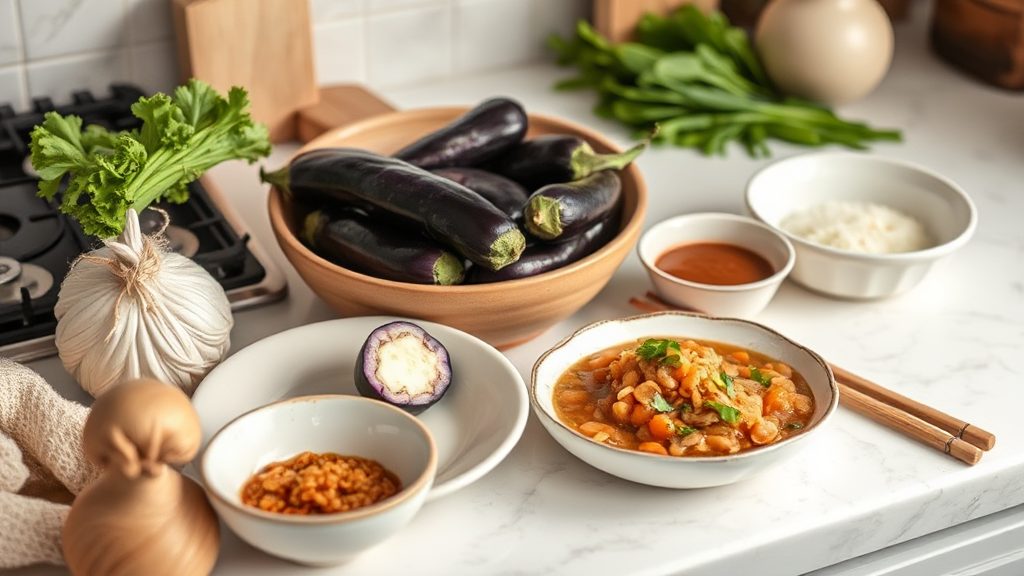
The type of eggplant you select makes an enormous difference in your final dish. Korean recipes traditionally call for Asian eggplants (sometimes labeled as Japanese or Chinese eggplants), which are longer, thinner, and lighter purple than the globe eggplants common in Western supermarkets. These slender varieties typically measure 6-10 inches long and about 2 inches in diameter, with a more delicate skin and fewer seeds.
Asian eggplants contain significantly less moisture than globe varieties, which means they’re naturally less prone to becoming mushy or waterlogged during cooking. Their flesh is also sweeter and less bitter, eliminating the need for the salting process that many Western eggplant recipes require. When you’re shopping, look for eggplants that feel firm and heavy for their size, with smooth, glossy skin free from soft spots or wrinkles.
If you can only find globe eggplants, you can still make these recipes work with a few adjustments. Cut them into smaller pieces to reduce cooking time, and consider salting them for 20-30 minutes before cooking to draw out excess moisture. Pat them thoroughly dry before proceeding with your recipe. The texture won’t be identical to authentic Korean preparations, but you’ll still achieve delicious results that capture the essence of these traditional Korean dishes.
Gaji Namul: The Classic Korean Eggplant Side Dish
Gaji namul represents one of the most fundamental Korean eggplant preparations—a steamed or blanched dish dressed with garlic, sesame oil, and soy sauce. This banchan appears regularly on Korean tables because it’s quick to prepare, incredibly versatile, and complements virtually any main course from grilled meats to stews.
🥢 Finishing touch: a good toasted sesame oil is what makes these dishes taste like the real thing. Grab the one I reach for →
As an Amazon Associate I earn from qualifying purchases.
To prepare gaji namul, start by cutting your Asian eggplants lengthwise into halves or quarters, depending on their thickness. You want pieces that will steam evenly but remain substantial enough to handle without falling apart. Some cooks prefer to score the flesh in a crosshatch pattern to help it absorb the seasoning more effectively, though this step is optional.
The cooking method matters tremendously here. Rather than boiling the eggplant directly in water—which often leads to waterlogged, mushy results—you’ll steam the pieces for about 8-10 minutes until they’re tender but still hold their shape. A bamboo steamer works beautifully, but you can also use a metal steaming basket or even improvise with a heat-proof plate elevated above boiling water in a covered pot.
Once steamed, let the eggplant cool slightly, then gently squeeze out any excess moisture with your hands or between paper towels. This step is crucial for preventing a watery dish. Tear the eggplant into bite-sized strips following the natural grain of the flesh—the irregular, hand-torn texture helps the seasoning cling better than uniform knife cuts.
The seasoning for gaji namul typically includes minced garlic (about 2-3 cloves for four eggplants), 1-2 tablespoons of sesame oil, 1 tablespoon of soy sauce, 1 teaspoon of rice vinegar, and a generous pinch of salt. Mix these ingredients with the torn eggplant, then finish with toasted sesame seeds and sliced green onions. The dish can be served immediately at room temperature or chilled—in fact, many Korean cooks believe the flavors improve after a few hours of marinating in the refrigerator.
🍚 Need rice vinegar? Its mild, clean tang is perfect for pickles, dressings, and dipping sauces. Here’s the bottle I use →
As an Amazon Associate I earn from qualifying purchases.
🥢 Pantry staple: keep toasted sesame seeds within reach for namul, rice, and marinades. Grab the ones I use →
As an Amazon Associate I earn from qualifying purchases.
Eggplant Jjim: A Braised Korean Eggplant Recipe
While gaji namul showcases eggplant in its simplest form, eggplant jjim takes a slightly more elaborate approach by braising the vegetable in a savory sauce until it becomes meltingly tender. “Jjim” refers to Korean steamed or braised dishes, and this preparation results in deeper flavors and a more luxurious texture than the steamed version.
For this Korean eggplant recipe, you’ll cut your eggplants into thick rounds or large chunks rather than the long strips used in gaji namul. The larger pieces help them withstand the longer cooking time without disintegrating. Some recipes call for a light pan-frying step before braising—if you choose this route, use minimal oil and work quickly over high heat to create a light sear without allowing the eggplant to absorb too much oil.
The braising liquid typically combines soy sauce, water or anchovy stock, minced garlic, gochugaru (Korean red pepper flakes), and a touch of sugar or corn syrup for balance. You’ll arrange the eggplant pieces in a shallow pan, pour the sauce over them, and simmer covered for about 15-20 minutes until the eggplant is completely tender and has absorbed much of the liquid.
🌶️ Pantry note: real Korean gochugaru makes a noticeable difference here. This is the bag I reach for →
As an Amazon Associate I earn from qualifying purchases.
The key to successful eggplant jjim lies in the reduction of the braising liquid. During the final 5 minutes of cooking, remove the lid and increase the heat slightly to allow the sauce to thicken into a glaze that coats the eggplant. You’ll know it’s ready when the liquid has reduced by about two-thirds and clings to the vegetables rather than pooling at the bottom of the pan. Garnish with sesame seeds, sliced green onions, and sometimes thin strips of red chili pepper for visual appeal.
What Makes Korean Eggplant Dishes Different from Other Cuisines?
Korean eggplant preparations stand apart from Mediterranean, Middle Eastern, or Chinese versions primarily through their emphasis on clean, bold flavors without heavy oil or complex spice blends. While Italian recipes might call for abundant olive oil and tomatoes, or Chinese preparations might use black bean sauce and significant amounts of oil, Korean versions rely on the trinity of garlic, sesame, and soy sauce to create depth.
The cooking techniques also differ significantly. Korean eggplant recipes prioritize steaming and light braising over deep-frying or roasting, resulting in dishes that feel lighter and allow the eggplant’s natural texture to remain prominent. This approach aligns with the broader Korean culinary philosophy of balance and the importance of vegetable-forward banchan that support rather than compete with main dishes.
Additionally, Korean eggplant dishes are almost always served as banchan—small side dishes that accompany rice and other items—rather than as main courses or substantial components. This cultural context influences portion sizes and seasoning intensity, as these dishes need to complement an entire meal rather than stand alone. If you’re interested in understanding more about how Korean side dishes fit into the broader cuisine, exploring Korean culinary traditions can provide valuable context.
Seasoning Tips and Variations for Korean Eggplant
Once you’ve mastered the basic preparations, experimenting with seasonings allows you to customize these dishes to your preferences. The foundation remains consistent—garlic, sesame oil, and soy sauce—but you can adjust the supporting flavors significantly.
For a spicier version of either gaji namul or eggplant jjim, incorporate gochugaru (Korean red pepper flakes) starting with half a teaspoon and adjusting upward. The fruity, complex heat of gochugaru works particularly well with eggplant’s mild sweetness. You can also add a small amount of gochujang (Korean red pepper paste) to jjim preparations for deeper, fermented complexity, though use restraint—too much can overwhelm the delicate eggplant flavor.
🌶️ Pantry staple: a good gochujang lasts months in the fridge and elevates everything. Grab the one I reach for →
As an Amazon Associate I earn from qualifying purchases.
Some regional variations include chopped perilla leaves (kkaennip), which add an aromatic, slightly minty dimension that complements eggplant beautifully. Fresh ginger, used sparingly, can brighten the overall profile, while a splash of rice vinegar or lemon juice adds welcome acidity. For umami depth, consider adding a small amount of anchovy sauce or dashida (Korean soup stock powder) to your braising liquid.
The sesame component offers room for variation too. While most recipes call for toasted sesame oil, you can enhance the nutty flavor by adding crushed or ground toasted sesame seeds directly to the seasoning mixture. Some cooks toast additional whole sesame seeds and sprinkle them generously over the finished dish for both flavor and visual appeal. The ratio of white to brown sesame seeds is purely aesthetic—use whichever you prefer or have available.
For a protein boost that transforms these side dishes into more substantial offerings, consider adding thin strips of cooked beef or small shrimp to your eggplant jjim during the final minutes of cooking. This variation, while less traditional, creates a more filling dish that can serve as a light main course over rice.
How to Avoid Sogginess When Cooking Eggplant
The most common complaint about eggplant dishes—whether Korean or otherwise—centers on unpleasant, soggy texture. Understanding eggplant’s cellular structure and how it interacts with heat and moisture helps you consistently achieve the tender-but-not-mushy results that characterize excellent Korean eggplant preparations.
Eggplant flesh contains air pockets that act like sponges, readily absorbing both oil and water. When you expose eggplant to liquid or oil without proper preparation, these air pockets fill up, creating that waterlogged texture everyone wants to avoid. The solution involves several strategic approaches depending on your cooking method.
For steamed preparations like gaji namul, the critical step occurs after cooking: squeezing out excess moisture. Don’t skip this step or handle the eggplant too gently. You need to be assertive in removing the water that accumulated during steaming. Let the eggplant cool just enough to handle safely, then press it firmly between your palms or use paper towels to absorb excess liquid. The eggplant should feel substantially drier and lighter after this process.
When braising eggplant for jjim dishes, controlling the amount of liquid prevents sogginess. Use just enough braising liquid to come halfway up the sides of the eggplant pieces—you’re creating steam and allowing the eggplant to absorb flavor gradually, not boiling it in liquid. The covered simmering phase allows even cooking, while the final uncovered reduction concentrates the sauce and evaporates surface moisture.
Cutting size significantly impacts final texture. Larger pieces retain better texture because they have a lower surface-area-to-volume ratio, meaning less liquid penetration relative to the amount of flesh. If you find your eggplant consistently turns mushy, try cutting larger pieces and cooking them slightly longer rather than using small pieces that cook quickly but absorb too much moisture.
Temperature control matters too. When steaming, maintain a steady, vigorous steam rather than a gentle simmer—the goal is to cook the eggplant through quickly before it has time to become waterlogged. For braised preparations, avoid the temptation to add more liquid if the pan looks dry; the eggplant releases its own moisture as it cooks, and what looks like too little liquid initially will usually be sufficient.
Finally, consider the storage and serving temperature. Both gaji namul and eggplant jjim can be served at room temperature or chilled, and many cooks find that the texture actually improves after refrigeration. The cooling process allows the eggplant to firm up slightly and the flavors to meld. If you’re making these dishes ahead for a meal later in the week, don’t worry about them getting soggy in storage—the initial moisture removal and proper seasoning ratio should keep them at the right consistency for several days.
Bringing Korean Eggplant Recipes into Your Regular Rotation
Both gaji namul and eggplant jjim deserve places in your regular cooking repertoire, especially during summer and early fall when eggplants are at their peak. These dishes embody the Korean approach to vegetables—respectful of the ingredient’s natural qualities while enhancing them through thoughtful seasoning and technique.
Start with gaji namul if you’re new to cooking eggplant. The simpler preparation builds your confidence with the vegetable and teaches you the essential skills of proper steaming and moisture removal. Once you’ve made it successfully a few times, the entire process takes less than 30 minutes from start to finish, making it an excellent weeknight side dish that pairs beautifully with grilled meats, rice bowls, or as part of a larger banchan spread.
Eggplant jjim offers slightly more complexity and deeper flavors, making it an excellent choice when you want something that can stand up to bolder main dishes or when you’re preparing a special meal. The braised preparation also holds up better for meal prep—you can make a large batch on the weekend and enjoy it throughout the week, as the flavors continue developing in the refrigerator.
Remember that Korean cooking emphasizes balance and variety, so these eggplant dishes work best when served alongside other banchan, rice, and a protein. They’re not meant to be the star of the show but rather supporting players that make the entire meal more interesting and satisfying. As you become more comfortable with Korean cooking techniques, you’ll develop an intuitive sense of how different banchan complement each other and create a harmonious table.
The beauty of these recipes lies in their adaptability and the way they showcase a humble vegetable transformed through simple techniques into something crave-worthy. Whether you choose the light, refreshing qualities of gaji namul or the richer, more savory depth of eggplant jjim, you’re connecting with centuries of Korean culinary wisdom that understands how to make vegetables not just healthy, but genuinely delicious.