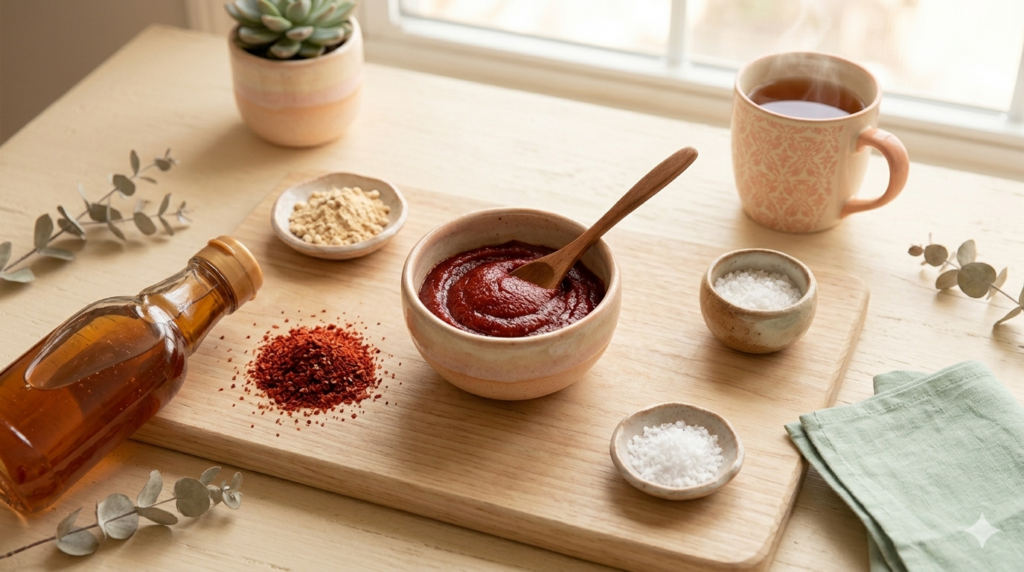
If you’ve ever wondered how to make gochujang in your own kitchen, you’re about to discover that this iconic Korean fermented chile paste is more accessible than you might think. While store-bought versions are convenient, creating your own gochujang allows you to control the heat level, sweetness, and depth of flavor while connecting with centuries of Korean culinary tradition.
Gochujang is one of Korea’s most essential condiments, right alongside doenjang (soybean paste) and ganjang (soy sauce). This deep red paste brings a unique combination of spicy, sweet, savory, and umami flavors to everything from bibimbap to marinades. Making it at home might seem intimidating, but with the right ingredients and a bit of patience, you’ll have a batch of homemade gochujang that rivals anything you can buy at the store.
Understanding Gochujang Ingredients and Their Roles
Before diving into the actual gochujang recipe, it’s crucial to understand what goes into this complex paste and why each ingredient matters. Traditional gochujang relies on four fundamental components that work together during fermentation to create its distinctive flavor profile.
The base of any authentic Korean fermented paste starts with gochugaru, Korean red chile flakes. Unlike cayenne pepper or regular red pepper flakes, gochugaru has a specific texture and heat level that’s essential to gochujang’s character. It provides a moderate, lingering heat rather than an aggressive burn. You’ll need coarse gochugaru for the best texture—look for bright red flakes at Korean markets or online.
Meju-garu, or fermented soybean powder, contributes the savory, umami foundation. This powder comes from dried and ground fermented soybeans and is what distinguishes gochujang from a simple chile sauce. If you can’t find meju-garu, you can substitute with doenjang (Korean soybean paste) thinned slightly with water, though the texture will differ slightly.
The third critical ingredient is yeot-gireum or malt syrup, traditionally made from fermented grains like barley or rice. This syrup adds sweetness and helps feed the fermentation process. Malt syrup also gives gochujang its characteristic glossy appearance. In a pinch, you can substitute with brown rice syrup or even honey, though purists will notice the difference.
Finally, sweet rice flour (also called glutinous rice flour or chapssal-garu) creates the paste’s thick, smooth consistency. When cooked with water, it forms a sticky porridge that binds all ingredients together. Regular rice flour won’t provide the same glutinous texture, so don’t substitute here if you can help it.
You’ll also need good quality sea salt to control fermentation and preserve the paste. Some recipes include a small amount of soy sauce for additional depth, while others keep things simple with just these core ingredients.
The Traditional Method: How to Make Gochujang Through Fermentation
The authentic approach to making gochujang involves fermentation, which can take anywhere from several weeks to several months. This process develops complex flavors that simply can’t be rushed, as beneficial microorganisms break down starches and proteins into more flavorful compounds.
Start by making a rice porridge base. Combine 1 cup of sweet rice flour with 2 cups of water in a heavy-bottomed pot. Cook over medium heat, stirring constantly to prevent lumps, until the mixture thickens into a smooth, translucent paste. This usually takes about 10-15 minutes. The consistency should resemble thick wallpaper paste. Remove from heat and let it cool to room temperature—this step is crucial because adding other ingredients to hot porridge can kill beneficial fermentation cultures.
Once your porridge has cooled completely, transfer it to a large glass or ceramic bowl. Add 2 cups of gochugaru, 1 cup of meju-garu (or ½ cup of doenjang), ¾ cup of malt syrup, and 3 tablespoons of sea salt. Mix everything thoroughly with a clean wooden spoon or your hands until you have a thick, uniform paste. The mixture should be spreadable but hold its shape—if it’s too thick, add water a tablespoon at a time.
Transfer your gochujang mixture to an onggi (traditional earthenware crock) or a clean glass jar. Press down firmly to eliminate air pockets, which can cause uneven fermentation or mold growth. Smooth the top surface and cover with a breathable cloth secured with a rubber band. Traditional methods call for covering the surface with a thin layer of salt to prevent contamination.
Place your container in a cool, dark spot with relatively stable temperatures between 60-70°F. A pantry, basement, or even under your kitchen counter works well. The fermentation process will begin within a few days. For the first two weeks, stir the paste every few days to ensure even fermentation and prevent mold from forming on the surface.
After two weeks, you can reduce stirring to once a week. The gochujang will be usable after about 3-4 weeks, but it reaches peak flavor after 2-3 months of fermentation. During this time, the paste will darken slightly, the flavors will mellow and deepen, and the spiciness will become more rounded rather than sharp.
Quick Non-Fermented Gochujang Recipe for Immediate Use
While traditional fermented gochujang offers the most complex flavor, you don’t always have months to wait. A quick version sacrifices some depth but still delivers that essential gochujang character and can be used immediately. This method works beautifully when you need gochujang for a specific recipe and don’t have time for fermentation.
For quick homemade gochujang, prepare the same sweet rice flour porridge as described above (1 cup flour, 2 cups water). While it cools, gather 1½ cups gochugaru, ½ cup doenjang, ½ cup malt syrup or brown rice syrup, 2 tablespoons soy sauce, 2 tablespoons sea salt, and 2 tablespoons rice vinegar.
Once the porridge reaches room temperature, combine all ingredients in a food processor or blender. Pulse until you achieve a smooth, uniform paste. The vinegar adds a tangy note that mimics some of the acidity developed during fermentation, while the increased amount of doenjang compensates for the lack of fermented flavors.
This quick version can be used immediately, though it benefits from resting in the refrigerator for 24-48 hours to allow flavors to meld. Store it in an airtight container in the refrigerator, where it will keep for up to three months. While it won’t develop the same complex funkiness as fermented gochujang, it works wonderfully in marinades, stir-fries, and dipping sauces.
The key difference you’ll notice is that quick gochujang tastes more straightforwardly spicy and sweet, while fermented versions have layers of savory, almost wine-like notes that develop over time. If you explore more Korean recipes and ingredients, you’ll start to appreciate how fermentation transforms simple components into something truly special.
How Long Does Homemade Gochujang Last?
Properly stored homemade gochujang can last 6-12 months in the refrigerator, and traditionally fermented versions can keep even longer. The high salt content and fermentation process act as natural preservatives, making gochujang one of the most shelf-stable condiments you can make at home.
After your gochujang has finished its initial fermentation period, transfer it to clean, airtight glass jars and store them in the refrigerator. The cold temperature slows down fermentation dramatically, essentially preserving the paste at its peak flavor. Always use clean utensils when scooping out gochujang to prevent introducing bacteria that could cause spoilage.
You’ll know your gochujang has gone bad if you notice any fuzzy mold growth (different from the harmless white film that sometimes appears on fermented foods), off-putting smells beyond the normal funky fermentation aroma, or significant discoloration. A small amount of liquid separation is normal and can simply be stirred back in.
Traditional Korean households often made gochujang in large batches once a year, storing it in large crocks that would last the entire family through all four seasons. Your homemade batch, even in smaller quantities, follows this same principle of making a preserved ingredient that actually improves with age up to a certain point.
For the quick non-fermented version, expect a shorter shelf life of about 3-4 months in the refrigerator. Without the protective qualities of fermentation, it’s more susceptible to spoilage, so always check before using if it’s been stored for a while.
Adjusting Heat Levels and Flavor in Your Gochujang Recipe
One of the greatest advantages of making your own gochujang is complete control over its flavor profile. Store-bought versions come in varying heat levels, but when you make it yourself, you can fine-tune everything from spiciness to sweetness to umami depth.
The heat level depends primarily on your gochugaru. Korean chile flakes typically rate between 4,000-8,000 Scoville units, which is moderate compared to cayenne (30,000-50,000) or habaneros (100,000-350,000). However, different brands and crops vary in intensity. If you prefer milder gochujang, reduce the gochugaru by up to one-third and compensate with additional sweet rice porridge to maintain the right consistency.
For those who love serious heat, you can boost spiciness by adding a small amount of finely ground cayenne or gochugaru that’s been toasted in a dry pan to intensify its oils. Start conservatively—even an extra tablespoon of hot pepper can significantly increase the burn.
Sweetness adjustments are equally straightforward. The standard ratio uses about ¾ cup of malt syrup per 2 cups of gochugaru, but you can increase this to 1 cup for a sweeter paste that works beautifully in bulgogi marinades and bibimbap. Conversely, reducing the sweetener to ½ cup creates a more savory, less dessert-like paste that some prefer for stews and soups.
The umami depth comes from your fermented soybean component. Using pure meju-garu creates a cleaner, more focused chile flavor, while doenjang adds funkier, more complex savory notes. Some recipes combine both for maximum depth. You can also add a tablespoon of fish sauce or Korean anchovy sauce (myeolchi-aekjeot) for an extra umami boost, though this makes the paste non-vegetarian.
Don’t be afraid to experiment with small batches until you discover your ideal balance. Korean cooking often involves adjusting seasonings to personal taste, and gochujang is no exception. Keep notes on your ratios so you can replicate successful batches.
Using Your Homemade Gochujang in Everyday Cooking
Now that you know how to make gochujang, the real joy comes from incorporating it into your daily cooking. This versatile paste works in far more applications than you might expect, extending well beyond traditional Korean dishes.
The most straightforward use is as a base for gochujang sauce, which appears in countless Korean recipes. Mix 2 tablespoons of gochujang with 1 tablespoon each of sesame oil and rice vinegar, 1 teaspoon of sugar, and 1 minced garlic clove. This sauce works perfectly for bibimbap, as a dipping sauce for vegetables, or tossed with noodles. Adjust the consistency with water for a thinner sauce or add mayonnaise for a creamy version that’s incredible on sandwiches and burgers.
For marinades, gochujang provides both flavor and tenderizing properties. Combine it with soy sauce, grated ginger, garlic, and a touch of honey for a bulgogi-style marinade that works with beef, pork, or chicken. The paste clings to meat beautifully and caramelizes when grilled or pan-fried, creating those coveted charred bits.
Gochujang elevates soups and stews with minimal effort. A tablespoon stirred into chicken soup, beef stew, or even tomato sauce adds complex heat and umami depth that regular hot sauce simply can’t match. It’s particularly transformative in beans, where it complements earthy flavors while adding excitement.
Try mixing gochujang into mayonnaise (about 1 tablespoon per ½ cup) for a spicy spread that transforms sandwiches, wraps, and deviled eggs. Blend it into softened butter with a bit of garlic for a compound butter that’s spectacular on grilled corn, steak, or roasted vegetables.
As you become more comfortable with Korean cooking techniques and flavors, you’ll discover that gochujang fits naturally into fusion cooking. It works in pasta sauces, on pizza, mixed into salad dressings, and even as a glaze for roasted root vegetables. The key is starting with small amounts and building up—gochujang’s concentrated flavor means a little goes a long way.
Store-bought gochujang typically lists specific recipes on the container, but your homemade version opens up infinite possibilities. Since you control the ingredients, you know exactly what’s in your paste, making it easier to accommodate dietary preferences and restrictions.
Bringing Authentic Korean Flavors Into Your Kitchen
Learning how to make gochujang at home connects you to Korean culinary heritage in a meaningful way. While the fermentation process requires patience, the reward is a condiment that’s uniquely yours—adjusted to your preferences and made with ingredients you trust. Even the quick version offers significant advantages over store-bought alternatives, giving you control over heat, sweetness, and quality.
Whether you commit to traditional fermentation or start with the quick method, making gochujang from scratch deepens your understanding of Korean cooking fundamentals. You’ll taste the difference between freshly made paste and mass-produced versions, and you’ll appreciate how fermentation transforms simple ingredients into something complex and crave-worthy.
Start with a small batch to test the process and adjust the recipe to your taste. Once you’ve perfected your formula, making larger quantities becomes second nature. Keep a jar in your refrigerator, and you’ll find yourself reaching for it constantly—not just for Korean dishes, but as a go-to ingredient that adds depth and excitement to all kinds of cooking. The versatility of homemade gochujang means you’re never more than a spoonful away from transforming an ordinary meal into something special.