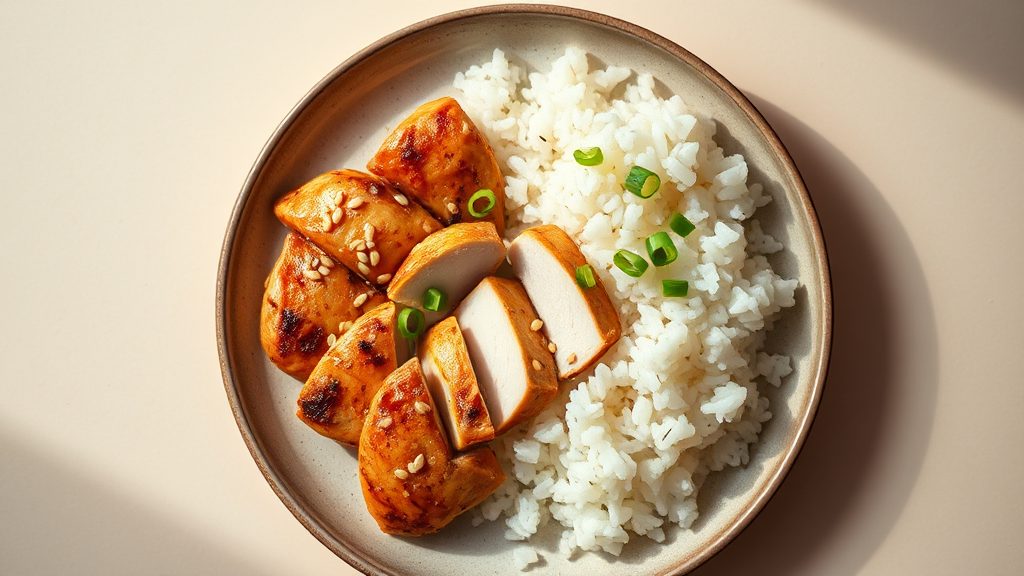
If you’re looking to add more protein-packed, flavorful meals to your weeknight dinner rotation, Korean chicken breast recipes offer the perfect combination of bold taste and nutritious ingredients. Korean cuisine has mastered the art of transforming lean chicken breast—often criticized for being bland and dry—into tender, juicy dishes bursting with umami, spice, and subtle sweetness. Whether you’re meal prepping for the week or cooking for your family, these recipes deliver restaurant-quality results with ingredients you can find at most grocery stores.
Korean cooking emphasizes balance, layering savory, sweet, spicy, and tangy flavors in ways that make even the simplest proteins shine. The marinades, glazes, and cooking techniques used in these recipes not only infuse chicken breast with incredible flavor but also help keep it moist and tender—solving one of the biggest challenges home cooks face with this lean cut of meat.
Why Chicken Breast Is a Staple in Korean Cooking
Chicken breast has become increasingly popular in Korean home cooking and restaurant menus throughout 2026, driven by growing health consciousness and the desire for high-protein, low-fat meals. While traditional Korean cuisine often features pork belly and beef short ribs, modern Korean households have embraced chicken breast as a versatile canvas for classic flavor profiles.
The beauty of using chicken breast in Korean chicken dishes lies in how well it absorbs marinades. Korean seasonings—from gochujang (fermented red chili paste) to ganjang (soy sauce) to doenjang (fermented soybean paste)—are intensely flavorful and penetrate the meat effectively when given proper marinating time. This makes chicken breast an ideal protein for busy weeknights since you can marinate it in the morning and have dinner ready in under twenty minutes when you get home.
Korean cooking also values efficiency and practicality, which aligns perfectly with chicken breast’s quick cooking time. Most Korean chicken breast preparations take 15-30 minutes from start to finish, making them perfect for the fast-paced lifestyle many of us lead. Plus, chicken breast pairs beautifully with staple Korean side dishes like kimchi, pickled radishes, and steamed vegetables, creating balanced meals that satisfy both your taste buds and nutritional needs.
Essential Korean Chicken Breast Recipes to Master
These seven recipes represent the core techniques and flavor profiles you’ll find in healthy Korean chicken cooking. Each one offers a different taste experience while using similar base ingredients, making it easy to keep your pantry stocked and your meal rotation exciting.
Gochujang Glazed Chicken Breast
This recipe showcases gochujang at its finest. Mix three tablespoons of gochujang with two tablespoons of honey, one tablespoon of soy sauce, two minced garlic cloves, one tablespoon of rice vinegar, and a teaspoon of sesame oil. Marinate thinly sliced chicken breast for at least thirty minutes, then pan-fry over medium-high heat for three to four minutes per side. The sugars in the honey and gochujang create a beautiful caramelization while the chili paste provides that signature Korean heat with deep, fermented complexity.
Classic Soy-Garlic Chicken (Ganjang Chicken)
One of the most beloved easy chicken recipes in Korean households, soy-garlic chicken delivers savory-sweet satisfaction without any heat. Combine four tablespoons of soy sauce, three tablespoons of mirin or rice wine, two tablespoons of sugar, six minced garlic cloves, and a tablespoon of sesame oil. Cut chicken breast into bite-sized pieces and marinate for twenty minutes. Stir-fry over high heat until the sauce reduces to a glossy coating. The key here is using plenty of garlic—don’t be shy—and cooking hot enough that the sugars caramelize without burning.
Dak Galbi Style Chicken Breast
Traditional dak galbi uses chicken thighs, but this breast adaptation maintains the dish’s signature spicy-sweet profile while cutting calories. Make a paste with three tablespoons gochujang, one tablespoon gochugaru (Korean red pepper flakes), two tablespoons soy sauce, one tablespoon sugar, two tablespoons rice wine, minced garlic and ginger, and sesame oil. Toss sliced chicken breast with this paste along with sliced cabbage, sweet potato, and rice cakes if desired. Stir-fry everything together in a large pan or skillet, adding a splash of water if needed to prevent sticking.
Yangnyeom Chicken Breast
While yangnyeom chicken is typically made with fried chicken pieces, you can achieve similar flavors with a healthier baked version using chicken breast. Cut the breast into strips, coat lightly in cornstarch, and bake at 400°F until crispy on the outside. Meanwhile, make the sauce by combining gochujang, ketchup, honey, garlic, soy sauce, and rice vinegar in equal parts. Toss the baked chicken in the sauce just before serving. This method gives you that addictive sweet-spicy coating without deep frying, making it perfect for anyone seeking healthy korean chicken options.
Doenjang Chicken
Doenjang (Korean soybean paste) provides earthy, savory depth that works beautifully with chicken breast. Mix two tablespoons doenjang with one tablespoon gochujang, two tablespoons honey, minced garlic, sesame oil, and a splash of water to thin it slightly. Marinate chicken breast pieces for at least an hour—the longer the better with this one. Grill or pan-fry until cooked through. The fermented soybean flavor is distinctive and pairs exceptionally well with fresh lettuce wraps and rice.
Korean BBQ Style Bulgogi Chicken
While bulgogi traditionally uses beef, this chicken adaptation is lighter and cooks faster. Create a marinade with soy sauce, sugar, minced pear or apple (for natural tenderizing enzymes), garlic, ginger, sesame oil, and black pepper. Slice chicken breast very thin—partially freezing it makes this easier—and marinate for thirty minutes to two hours. Cook quickly over high heat in a hot pan or grill. The fruit in the marinade not only tenderizes the meat but adds subtle sweetness that balances the salty soy sauce perfectly.
Jjimdak Inspired Braised Chicken
Jjimdak is a braised chicken dish with vegetables in a sweet-savory soy-based sauce. For a quicker version using chicken breast, cut the meat into chunks and sear briefly. Add sliced onions, carrots, potatoes, and glass noodles to the pan along with a sauce made from soy sauce, sugar, garlic, ginger, and water. Simmer everything together for fifteen to twenty minutes until the vegetables are tender and the sauce has reduced. The braising liquid keeps the chicken breast incredibly moist while infusing it with flavor.
For more authentic Korean cooking inspiration and techniques, explore the food section where you’ll find additional recipes and cultural insights into Korean cuisine.
How Do You Keep Chicken Breast Moist and Tender in Korean Recipes?
The secret to tender chicken breast in Korean cooking involves three key techniques: proper marinating, avoiding overcooking, and using the right cutting methods. Korean marinades typically contain acidic components like rice vinegar or fruit juice that break down proteins, along with oil that helps retain moisture during cooking, ensuring your chicken stays juicy rather than dry and tough.
First, always marinate your chicken breast for at least twenty to thirty minutes, though longer is better—up to four hours for maximum flavor penetration and tenderization. The enzymes in ingredients like grated pear, kiwi, or pineapple (common in Korean marinades) actively break down tough muscle fibers. If you’re short on time, even fifteen minutes makes a difference compared to no marinating at all.
Second, cut your chicken breast strategically. Slicing against the grain shortens the muscle fibers, making each bite more tender. For stir-fry dishes, cut the breast into thin strips or small cubes rather than cooking it whole. This not only increases the surface area for marinade absorption but also reduces cooking time, minimizing the risk of drying out the meat. Many Korean chicken recipes call for cutting the breast into bite-sized pieces specifically for this reason.
Third, watch your cooking temperature and time carefully. Chicken breast is done at an internal temperature of 165°F—use a meat thermometer to avoid guessing. Overcooking by even a few minutes can turn tender chicken rubbery and dry. For pan-frying, use medium-high heat and cook three to four minutes per side for thin cutlets. For stir-frying, cook small pieces over high heat for just five to seven minutes total, stirring frequently. The residual heat will continue cooking the meat slightly after you remove it from the pan.
Another Korean cooking trick involves velveting the chicken—a technique borrowed from Chinese cuisine but widely used in Korean kitchens. Coat chicken pieces in a mixture of egg white, cornstarch, and a splash of rice wine before marinating. This creates a protective coating that seals in moisture during high-heat cooking. When you stir-fry velveted chicken, it stays remarkably tender and develops a slight glossy appearance that looks professional.
Finally, let your cooked chicken rest for three to five minutes before serving. This allows the juices to redistribute throughout the meat rather than running out onto your cutting board when you slice into it. This small step makes a noticeable difference in the final texture and moisture level of your korean chicken breast recipes.
Building a Complete Korean Meal Around Chicken Breast
Korean meals follow a traditional structure that makes them both nutritious and satisfying. While your chicken breast serves as the main protein, a proper Korean meal includes rice, soup, and several banchan (side dishes) that provide vegetables, fermented foods, and contrasting flavors to balance the richness of the main dish.
Start with steamed white or brown rice as your base—rice is non-negotiable in Korean meal structure and provides the neutral backdrop that allows your flavorful chicken to shine. A simple soup like miyeokguk (seaweed soup) or kimchi jjigae adds warmth and helps with digestion. If you’re new to Korean cooking, even a basic doenjang jjigae made with soybean paste, tofu, and vegetables takes only fifteen minutes and complements any chicken dish beautifully.
For banchan, kimchi is essential—its spicy, tangy, fermented flavor cuts through the richness of sauced chicken perfectly. Add two or three more side dishes like seasoned spinach (sigeumchi namul), sautéed zucchini, pickled radish, or seasoned bean sprouts. The beauty of banchan is that you can prep them in advance and store them in your refrigerator for several days, making weeknight meal assembly quick and easy.
Korean meals emphasize variety in a single sitting—different textures, temperatures, and flavors all contributing to a balanced eating experience. Your spicy gochujang chicken is balanced by cooling cucumber kimchi, crunchy pickled radish provides textural contrast to tender braised chicken, and the neutral rice prevents any single flavor from overwhelming your palate. This approach to meal composition is one reason Korean food feels so satisfying and complete.
You can also serve many Korean chicken breast preparations in lettuce wraps (ssam), which adds freshness and makes the meal feel lighter. Provide large lettuce leaves, perilla leaves if available, sliced garlic, sliced green chilies, and ssamjang (a thick, spicy paste made from doenjang and gochujang). Let everyone build their own wraps—it’s interactive, fun, and a authentic way to enjoy Korean flavors.
If you’re interested in learning more about Korean culture and language to deepen your appreciation of the cuisine, check out the Korean learning resources available on the site.
Stocking Your Pantry for Korean Chicken Cooking
Success with Korean chicken breast recipes starts with having the right ingredients on hand. The good news is that once you stock your pantry with a few essential items, you can create dozens of different dishes without special shopping trips. Most of these ingredients are shelf-stable and last for months, making them worthwhile investments for anyone cooking Korean food regularly.
Your essential Korean pantry should include gochujang and gochugaru for heat and depth, regular soy sauce (not the sweet Indonesian kind), sesame oil for nutty richness, and rice vinegar for acidity. Keep fresh garlic and ginger on hand—these aromatics are non-negotiable in Korean cooking and appear in virtually every recipe. Mirin or rice wine adds sweetness and helps tenderize meat, while sugar (white or brown) balances the salty and spicy elements.
Beyond the basics, doenjang opens up a whole category of earthy, savory dishes. Cornstarch or potato starch helps create crispy coatings and can be used to velvet chicken. Sesame seeds (preferably toasted) and green onions serve as finishing touches that add visual appeal and fresh flavor right before serving. Fish sauce, while not traditionally Korean, adds umami depth that many modern Korean cooks have embraced.
You don’t need to buy everything at once. Start with gochujang, soy sauce, sesame oil, and garlic—these four ingredients alone allow you to make several excellent easy chicken recipes with Korean flavors. As you cook more frequently and develop preferences, gradually add other ingredients. Many home cooks find that once they start cooking Korean food, these ingredients become their go-to seasonings for all kinds of proteins and vegetables, not just traditional Korean dishes.
Most major grocery stores now carry basic Korean ingredients in their international aisles, though Asian supermarkets offer better selection and prices. In 2026, online retailers have also made Korean ingredients more accessible than ever, with subscription services offering monthly deliveries of Korean cooking essentials. The investment in these ingredients pays off quickly when you realize you can create restaurant-quality meals at home for a fraction of the cost of dining out.
Making Korean Chicken Breast Part of Your Regular Routine
Incorporating Korean chicken breast recipes into your weekly meal plan doesn’t require expertise or hours in the kitchen—it requires smart preparation and understanding a few fundamental techniques. The recipes shared here give you a foundation of flavors and methods that you can adapt based on what you have available and what your family enjoys eating.
Start by choosing one or two recipes that appeal to you most and make them several times until you’re comfortable with the technique. Korean cooking is forgiving and adaptable—if you prefer less heat, reduce the gochujang; if you love garlic, double it. Once you understand how the flavor components work together, you’ll find yourself improvising and creating your own variations naturally.
Meal prep works beautifully with Korean chicken dishes. Spend thirty minutes on Sunday marinating several portions of chicken breast in different marinades, then store them in your refrigerator. Throughout the week, you can cook them fresh in less than fifteen minutes each night, giving you the convenience of fast food with the nutrition and flavor of home cooking. The marinades actually improve in flavor as they sit, making Tuesday’s dinner even better than Monday’s.
These recipes also scale easily for any household size. Cooking for one? Halve the recipe and enjoy leftovers for lunch the next day—Korean chicken breast actually tastes great cold or reheated. Feeding a family? Double or triple everything without adjusting cooking times significantly since you’ll still be working with individual portions of chicken breast.
The real magic of Korean chicken cooking lies in how it transforms an often-boring protein into something you genuinely look forward to eating. The bold flavors, the satisfying combination of sweet, spicy, and savory, and the relatively quick preparation time make these dishes perfect for modern home cooks who want nutritious, delicious meals without spending all evening in the kitchen. Whether you’re new to Korean cuisine or already a fan, these chicken breast recipes offer an accessible entry point into a world of exciting flavors that will keep your dinner table interesting all year long.
For more recipes, cooking tips, and cultural insights, visit the blog section where you’ll find regularly updated content about Korean food and culture.