As an Amazon Associate I earn from qualifying purchases. This post contains affiliate links, which means I may earn a small commission — at no extra cost to you — if you buy through them. I only recommend things I believe are genuinely worth your time.
If you’ve ever wondered what a traditional morning meal looks like in Korea, you’re in for a delicious surprise. Korean breakfast ideas differ dramatically from the toast-and-cereal routine common in Western countries, offering hearty, savory dishes that fuel your entire morning. Unlike the sweet-focused breakfasts popular in many parts of the world, Korean morning meals typically feature rice, soup, vegetables, and protein—often leftovers from the previous night’s dinner, which makes them both practical and deeply satisfying.
The beauty of Korean breakfast culture lies in its flexibility and nutritional balance. You’ll find that these meals provide sustained energy throughout the day, thanks to their combination of complex carbohydrates, vegetables, and fermented foods. Whether you have five minutes or thirty, there’s a korean breakfast option that fits your schedule. Let’s explore ten easy recipes that will transform your mornings and introduce you to the satisfying world of Korean morning cuisine.
Why Korean Breakfast Differs From Western Morning Meals
The fundamental difference between Korean and Western breakfasts comes down to philosophy. In Korea, breakfast isn’t considered a separate category of food—it’s simply a meal that happens in the morning. This means you might find the same dishes served at breakfast, lunch, or dinner, which actually makes meal planning easier once you adjust your thinking.
Traditional Korean breakfasts center around bap (cooked rice), guk (soup), and banchan (side dishes). This combination provides a complete nutritional profile: the rice offers complex carbohydrates for energy, the soup helps with hydration and digestion, and the banchan deliver essential vitamins, minerals, and probiotics through fermented vegetables like kimchi. Many Korean families still follow this pattern, though modern lifestyles have introduced quicker alternatives that maintain the savory, balanced nature of the meal.
Another key distinction is temperature. While Western breakfasts often feature cold milk and cereal or room-temperature pastries, Korean breakfasts are typically warm. This practice aligns with traditional Korean medicine principles that suggest warm foods in the morning aid digestion and prepare your body for the day ahead. If you’re interested in learning more about Korean cultural practices, you might enjoy exploring other aspects of Korean learning resources available on this site.
Essential Korean Breakfast Ideas: Rice-Based Dishes
Rice forms the foundation of most Korean morning meals, and these recipes show you how to transform simple cooked rice into satisfying breakfasts. The advantage of rice-based korean breakfast recipes is that you can cook a large batch of rice once and use it throughout the week.
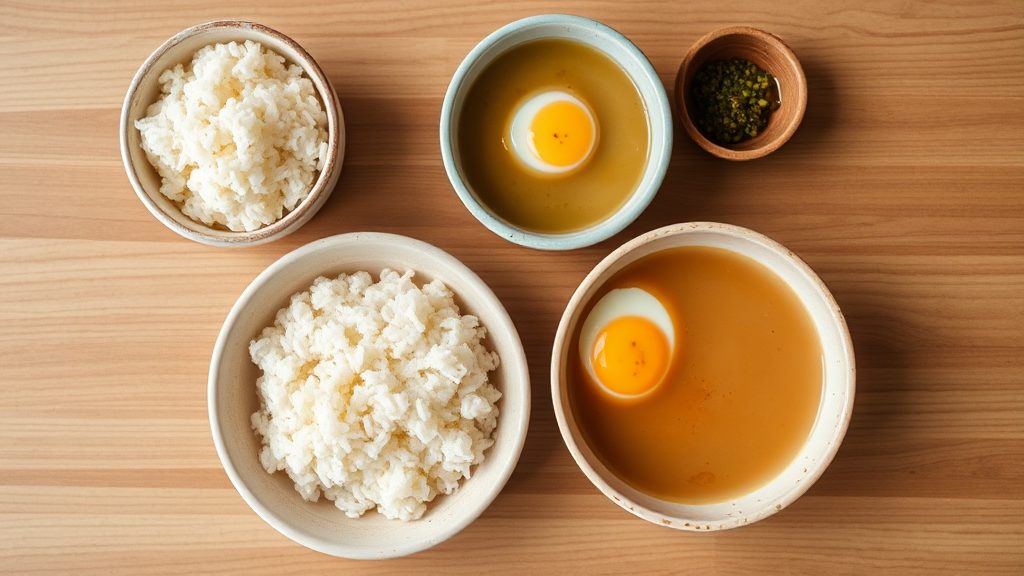
Gyeran-bap (Egg Rice Bowl): This is the ultimate quick breakfast when you’re running late. Simply place hot rice in a bowl, crack a raw egg on top, add a spoonful of soy sauce and a drizzle of sesame oil, then mix vigorously. The heat from the rice partially cooks the egg, creating a creamy, protein-rich meal in under two minutes. Add kimchi on the side for probiotics and crunch. Some people enhance this with a sprinkle of seaweed flakes or a dash of gochugaru (Korean red pepper flakes) for extra flavor.
🥢 Sesame oil tip: look for 100% toasted sesame oil, not the pale kind. Here’s the bottle I keep by the stove →
As an Amazon Associate I earn from qualifying purchases.
🌶️ Can’t find gochugaru locally? You’re not alone — it’s a specialty item most stores don’t carry. Here’s the coarse Korean red pepper powder I order →
As an Amazon Associate I earn from qualifying purchases.
Kimchi Bokkeumbap (Kimchi Fried Rice): This easy korean breakfast transforms leftover rice and aging kimchi into something spectacular. Heat a pan with a little oil, stir-fry chopped kimchi until fragrant, add your day-old rice (it works better than fresh rice), and mix everything together with a splash of kimchi juice. Top with a fried egg and you have a complete meal in about seven minutes. The fermented kimchi provides probiotics while the egg adds protein, making this surprisingly nutritious for such a quick dish.
Juk (Korean Rice Porridge): When you want something gentle and comforting, juk is your answer. The basic version requires just rice and water, cooked until the rice breaks down into a creamy consistency. You can make plain juk in about 30 minutes, or prepare a large batch on Sunday and reheat portions throughout the week. Popular variations include jat-juk (pine nut porridge), hobak-juk (pumpkin porridge), and dakjuk (chicken porridge). Many Koreans turn to juk when feeling under the weather or wanting something easy to digest.
Soup-Based Korean Morning Meals
Soup for breakfast might sound unusual if you’re used to Western eating patterns, but it’s one of the most hydrating and satisfying ways to start your day. Korean breakfast soups are typically lighter than dinner stews but still substantial enough to keep you full until lunch.
Kongnamul-guk (Soybean Sprout Soup): This clear, refreshing soup takes about 15 minutes to prepare and is known as a hangover cure in Korea, though it makes an excellent everyday breakfast too. Boil soybean sprouts in anchovy or vegetable broth, season with garlic, soy sauce, and green onions, and you have a light, hydrating soup packed with vitamin C. Serve it with a bowl of rice and kimchi for a complete Korean breakfast experience.
Miyeok-guk (Seaweed Soup): Traditionally eaten on birthdays and by new mothers, this nutritious soup deserves a place in your regular breakfast rotation. Dried seaweed is rehydrated and simmered with beef or seafood in a light broth seasoned with sesame oil and soy sauce. The seaweed provides iodine and minerals while being extremely low in calories. You can prepare this in about 20 minutes, or make a large pot and refrigerate portions for the week.
Sundubu-jjigae (Soft Tofu Stew): While this spicy stew is more substantial than other breakfast soups, it’s perfect for cold mornings when you need something warming. Silken tofu simmers in a spicy broth with vegetables, mushrooms, and optional seafood or pork. The entire dish comes together in about 15 minutes if you use pre-made broth. The soft tofu is easy to digest and provides excellent protein to start your day. For more Korean recipes and food culture insights, check out the food and recipes section.
What Makes Korean Egg Dishes Perfect for Breakfast?
Korean egg dishes make ideal breakfast options because they’re quick to prepare, high in protein, and incredibly versatile. Most can be made in under ten minutes, making them perfect for busy weekday mornings when you need something more substantial than cereal but don’t have time for elaborate cooking.
Gyeran-mari (Rolled Omelet): This sweet-savory rolled omelet differs from Japanese tamagoyaki by including vegetables like carrots, green onions, and sometimes imitation crab or ham. Beat eggs with a small amount of salt and sugar, pour a thin layer into a heated pan, add your fillings, then roll it up as it cooks. Continue adding thin egg layers and rolling until you’ve used all the egg mixture. The result is a beautiful spiral that’s delicious warm or cold, making it perfect for meal prep. Slice it into rounds and serve with rice and kimchi.
Gyeran-jjim (Steamed Eggs): This fluffy, soufflé-like dish is pure comfort in a bowl. Whisk eggs with water or broth, pour into a heat-proof bowl, and steam until set but still slightly jiggly. The texture is impossibly soft and creamy—completely different from scrambled eggs or omelets. You can make this in a steamer, rice cooker, or even in the microwave. Add chopped green onions, carrots, or salted shrimp for extra flavor. The gentle cooking method makes this one of the easiest korean breakfast options for digestive wellness.
🍚 Daily-use tip: this is a great rice cooker →
As an Amazon Associate I earn from qualifying purchases.
Time-Saving Tips for Weekday Korean Breakfasts
The biggest obstacle to enjoying korean breakfast ideas on busy weekday mornings is the perceived time commitment. However, with smart preparation strategies, you can have an authentic Korean breakfast on the table faster than waiting in a drive-through line.
First, invest in a good rice cooker with a timer function. Set it up the night before, and you’ll wake up to fresh, hot rice ready for any recipe. Many modern rice cookers can also make juk, steam eggs, and keep food warm for hours. This single appliance transforms your morning routine by eliminating the most time-consuming element of Korean cooking.
Second, embrace the Korean practice of banchan (side dish) meal prep. Spend 30-60 minutes on Sunday preparing several side dishes that last all week. Make a large batch of kimchi fried rice base, pre-portion ingredients for gyeran-mari, or prepare soup stock that you can quickly transform into different soups. Store everything in glass containers in your refrigerator, and your weekday mornings become an assembly job rather than a cooking project.
Third, keep your pantry stocked with Korean breakfast essentials. These items have long shelf lives and enable quick meal creation:
- Short-grain rice (store in an airtight container)
- Dried seaweed (miyeok, gim)
- Kimchi (ferments in your fridge and actually gets better over time)
- Sesame oil and roasted sesame seeds
- Gochugaru (Korean red pepper flakes) and gochujang (red pepper paste)
- Soy sauce and fish sauce
- Dried anchovies or kelp for quick broth
- Eggs (obviously!)
🍙 Snack staple: keep roasted gim around for rice bowls and quick snacks. Grab the ones I reach for →
As an Amazon Associate I earn from qualifying purchases.
🐟 For real Korean broth: dried anchovies (myeolchi) are the traditional base for savory stock. Here’s the bag I use →
As an Amazon Associate I earn from qualifying purchases.
🐟 Need fish sauce? A good Korean or Vietnamese fish sauce brings deep savory depth to kimchi and soups. Here’s the bottle I use →
As an Amazon Associate I earn from qualifying purchases.
🌊 Making Korean stock? Dashima (dried kelp) is the base of clean, umami-rich broth. Here’s the dried kelp I use →
As an Amazon Associate I earn from qualifying purchases.
🥢 Pantry staple: keep toasted sesame seeds within reach for namul, rice, and marinades. Grab the ones I use →
As an Amazon Associate I earn from qualifying purchases.
🌶️ No gochujang on hand? It’s worth buying the real thing rather than substituting — this is the gochujang I use →
As an Amazon Associate I earn from qualifying purchases.
Fourth, consider “breakfast for dinner” in reverse. Korean culture doesn’t distinguish breakfast foods from dinner foods, so make extra rice and soup at dinner and simply reheat portions in the morning. A large pot of miyeok-guk or kongnamul-guk can provide breakfast for three to four days when stored properly.
Finally, embrace simplicity on the busiest mornings. A bowl of rice with a fried egg, kimchi, and a drizzle of sesame oil takes three minutes but provides complete nutrition. You don’t need to prepare multiple banchan or elaborate soups every single day—even one or two components of a traditional Korean breakfast offer more nutritional balance than many Western breakfast options.
Building Your Korean Breakfast Routine
Starting a new breakfast routine takes adjustment, especially when shifting from sweet to savory morning meals. Begin by introducing korean breakfast recipes gradually rather than completely overhauling your routine overnight. Try one Korean-style breakfast per week initially, perhaps on a weekend morning when you have more time to experiment.
Pay attention to how these meals make you feel throughout the morning. Many people report that the combination of protein, complex carbohydrates, and vegetables provides more sustained energy than carb-heavy Western breakfasts. You might notice fewer mid-morning energy crashes and reduced cravings for snacks before lunch.
As you become comfortable with basic recipes, start experimenting with variations. Korean cooking is remarkably forgiving—you can adjust spice levels, swap vegetables based on what’s in your refrigerator, and modify recipes to suit your taste preferences. The fundamental principles remain the same: balanced nutrition, savory flavors, and dishes that provide genuine sustenance.
Don’t worry about authenticity when you’re starting out. If you need to use regular cabbage instead of napa cabbage, or substitute vegetable broth for anchovy stock, that’s perfectly fine. The goal is to incorporate the nutritional principles and satisfying nature of Korean breakfasts into your life in a sustainable way. As you become more confident, you can gradually add more traditional ingredients and techniques.
Consider involving your family or household in this culinary adventure. Korean breakfast preparation can be faster with help, and having breakfast companions makes the experience more enjoyable. Children often love gyeran-mari and kimchi fried rice, while the warming soups appeal to people of all ages during colder months.
Embracing a New Morning Tradition
Adopting korean breakfast ideas into your morning routine offers more than just nutritional benefits—it’s an opportunity to slow down and start your day with intention. The Korean approach to breakfast emphasizes warm, nourishing foods that require at least a few minutes of mindful eating, creating a natural buffer between sleep and the rush of daily activities.
Start with the recipes that appeal most to you and fit your schedule. Gyeran-bap works perfectly for two-minute mornings, while juk provides comfort on leisurely weekend days. As you build confidence, you’ll develop your own rotation of favorite dishes and time-saving techniques that make Korean breakfasts feel effortless rather than exotic.
Remember that consistency matters more than perfection. Even incorporating one or two Korean-style breakfasts per week introduces beneficial variety into your diet and expands your culinary skills. Over time, you might find yourself naturally reaching for savory, balanced meals in the morning because of how much better they make you feel. If you’re interested in exploring more aspects of Korean culture beyond food, visit the blog section for additional insights and stories.
The ten recipes outlined here represent just the beginning of Korean breakfast possibilities. As you master these basics, you’ll discover countless variations and develop the confidence to create your own combinations based on ingredients you have available. Your mornings—and your energy levels throughout the day—will thank you for making this delicious and nutritious change.