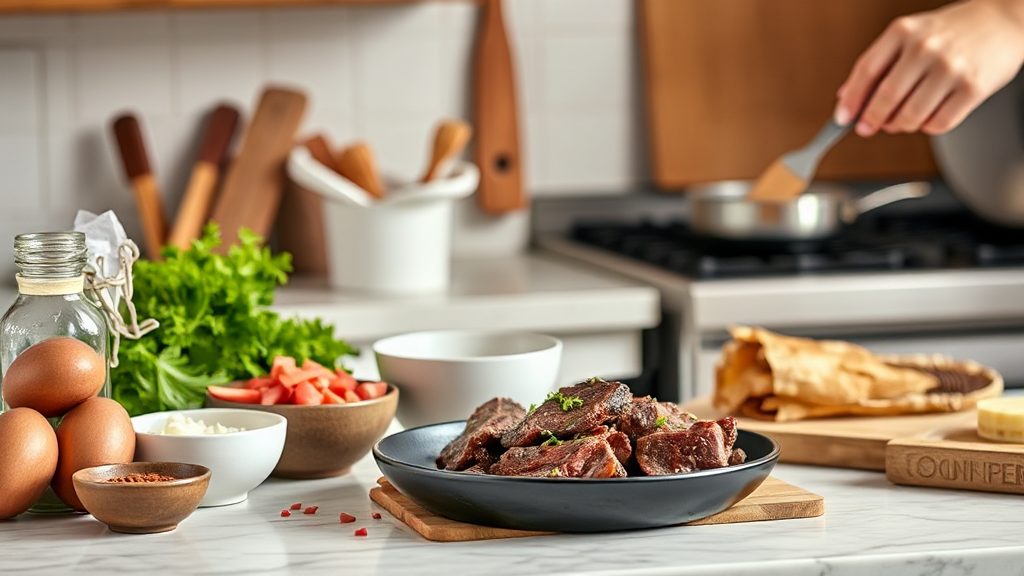
If you’ve ever wondered how to recreate that irresistibly sweet and savory Korean BBQ beef at home, this Korean beef bulgogi recipe is exactly what you need. Bulgogi, which literally means “fire meat” in Korean, is one of the most beloved dishes in Korean cuisine—and for good reason. Thin slices of beef are marinated in a luscious mixture of soy sauce, sugar, garlic, and Asian pear, then quickly cooked until caramelized and tender. The result is meat so flavorful and juicy that it disappears from the table within minutes. Whether you’re planning a special dinner or just looking for an easy weeknight meal that feels restaurant-quality, mastering this bulgogi marinade will transform your home cooking.
Understanding What Makes Bulgogi Special
Bulgogi stands apart from other Korean meat dishes because of its unique balance of sweetness and umami. While dishes like galbi (short ribs) focus on richness and kalbi-jjim emphasizes braising, bulgogi is all about the marinade penetrating thinly sliced meat to create maximum flavor in minimal cooking time. The traditional recipe dates back to the Goguryeo era (37 BCE to 668 CE), though the modern sweet-style bulgogi we know today became popular in Seoul during the mid-20th century.
What truly distinguishes authentic bulgogi is the use of fruit—typically Asian pear or sometimes kiwi—in the marinade. These fruits contain natural enzymes that break down proteins, making even tougher cuts of beef remarkably tender. The fruit also adds a subtle sweetness that balances the salty soy sauce and creates that signature glaze when the meat hits high heat. This is why bulgogi tastes different from simple soy-marinated beef: it’s the chemistry of the marinade working together with proper technique.
Understanding Korean flavor profiles will help you appreciate why each ingredient matters in this recipe. If you’re interested in diving deeper into Korean food culture and other authentic recipes, you’ll discover how ingredients work together to create the complex tastes Korean cuisine is known for.
The Perfect Korean Beef Bulgogi Recipe: Ingredients and Ratios
Getting your ingredient ratios right is crucial for Korean BBQ beef that tastes authentic. This recipe serves 4-6 people as a main dish. For the beef, you’ll need 2 pounds of ribeye, sirloin, or tenderloin sliced paper-thin (about 1/8-inch thick). You can ask your butcher to slice it, or partially freeze the meat for 30-40 minutes to make slicing easier at home.
For the marinade, combine these ingredients in precise proportions:
- 1/2 cup soy sauce (regular, not low-sodium—you need the full flavor)
- 1/3 cup brown sugar or white sugar
- 1/4 cup mirin (rice wine) or sake
- 2 tablespoons sesame oil (toasted, for that nutty aroma)
- 1/2 medium Asian pear, grated (about 1/2 cup)
- 6-8 cloves garlic, minced or grated
- 1 tablespoon fresh ginger, grated
- 1/4 teaspoon black pepper
- 2 tablespoons green onions, chopped (plus more for garnish)
- 1 tablespoon toasted sesame seeds
- Optional: 1 small onion, thinly sliced for added texture
The ratio of soy sauce to sugar is particularly important—it should be roughly 2:1. This creates enough sweetness to caramelize beautifully without making the meat taste like candy. The Asian pear serves double duty: its enzymes tenderize the meat while its juice adds natural sweetness and helps the marinade cling to the beef. If you can’t find Asian pear, substitute with Bosc pear or even kiwi (though kiwi is more powerful, so use just 1/4 of a fruit to avoid over-tenderizing).
Mix all marinade ingredients in a large bowl until the sugar dissolves completely. Add your sliced beef and massage the marinade into the meat with your hands—this ensures every piece is thoroughly coated. This hands-on approach makes a noticeable difference in flavor distribution compared to just stirring.
How Long Should You Marinate Bulgogi for Maximum Tenderness?
The ideal marinating time for bulgogi is 2-4 hours in the refrigerator. This window allows the enzymes from the pear to tenderize the meat and the flavors to penetrate without turning the texture mushy. You can marinate for as little as 30 minutes if you’re pressed for time, but you’ll sacrifice some tenderness and depth of flavor.
However, there’s such a thing as marinating too long. Don’t exceed 12 hours, especially if you’re using fruit enzymes, as the meat can become overly soft and develop a mealy texture. The enzymes continue breaking down proteins the entire time, and after about half a day, you’ll start losing that pleasant bite that makes bulgogi satisfying to eat. If you need to prep further in advance, you can mix your marinade and store it separately, then combine it with the beef 3-4 hours before cooking.
Temperature matters during marinating. Keep the bulgogi in the coldest part of your refrigerator (usually the back of the bottom shelf) to prevent any food safety issues. Before cooking, let the meat sit at room temperature for 15-20 minutes—this ensures even cooking and better caramelization when the meat hits the heat. Cold meat tends to steam rather than sear, which prevents that desirable char you want on easy weeknight bulgogi.
Cooking Techniques That Deliver Restaurant-Quality Results
The cooking method dramatically affects your final result. Traditional bulgogi is grilled over charcoal, but you can achieve excellent results with a stovetop approach that’s far more practical for home cooking in 2026. The key principle is high heat and quick cooking—you’re aiming for caramelization and char, not steaming.
Heat a large cast-iron skillet or heavy-bottomed pan over high heat until it’s smoking hot. Don’t add oil—the sesame oil in the marinade provides enough fat, and the sugar content means the meat will caramelize quickly. Working in batches to avoid crowding (which causes steaming), spread the beef slices in a single layer. Let them sit undisturbed for 90 seconds to develop a caramelized crust, then flip and cook for another 60-90 seconds.
You’ll know it’s ready when the edges are slightly charred and the meat has darkened to a rich mahogany color. The high sugar content means it can go from perfectly caramelized to burnt quickly, so watch carefully during the last 30 seconds. Transfer cooked batches to a serving plate and tent with foil to keep warm while you cook the remaining beef. Don’t discard the marinade left in your bowl—you can strain it and simmer it in a small saucepan for 5 minutes to make a sauce (boiling kills any bacteria from the raw meat).
For those with access to a grill, preheat it to high heat (around 450-500°F). If your beef slices are very thin, consider using a grilling basket or threading them onto skewers to prevent them from falling through the grates. The grill adds an authentic smoky flavor that’s hard to replicate indoors, making it worth the effort when weather permits.
Three Delicious Ways to Serve Your Bulgogi
Once you’ve mastered the bulgogi marinade and cooking technique, you’ll want to explore different serving styles. Each presentation offers a distinct eating experience while showcasing the versatile nature of this Korean beef dish.
Bulgogi Rice Bowls (Bulgogi Dupbap): This is the easiest and most satisfying approach for a complete meal. Start with a base of steaming white rice—short-grain Korean or Japanese rice works best because it’s sticky and holds together well. Top with your cooked bulgogi, a fried egg with a runny yolk, kimchi, pickled radish, and fresh vegetables like cucumber and shredded carrots. Drizzle with gochujang (Korean red pepper paste) mixed with a bit of sesame oil for extra kick. The runny egg yolk mixed with the rice and beef juices creates an incredibly rich and comforting combination.
Lettuce Wraps (Ssam): This traditional serving method is interactive and lighter, perfect for summer meals or when you want a low-carb option. Set out large leaves of butter lettuce, red leaf lettuce, or perilla leaves (if you can find them at a Korean market). Each person assembles their own wrap by placing bulgogi on a leaf, adding a small spoonful of rice (optional), some ssamjang (fermented bean paste), a slice of raw garlic, a piece of green chili, and perhaps some fresh herbs like cilantro or mint. Fold it up and eat it in one bite. The crisp lettuce provides textural contrast to the tender beef, while the fresh vegetables cut through the richness.
Bulgogi Noodles (Bulgogi Jaengban Guksu): Transform your bulgogi into a noodle dish by tossing it with cooked sweet potato noodles (dangmyeon) or regular wheat noodles. After cooking the bulgogi, add the noodles to the same pan with any reserved marinade sauce, a splash of water or beef broth, and stir-fry everything together for 2-3 minutes. The noodles absorb the bulgogi flavors and the dish becomes substantial enough to serve as a one-pan meal. Garnish with julienned cucumber, shredded carrots, and sliced green onions for freshness and crunch.
Each serving style showcases different aspects of Korean dining culture. If you’re curious about the broader context of Korean meals and how different dishes fit together, you might enjoy exploring more about Korean food traditions and recipes that complement bulgogi beautifully.
What Cut of Beef Works Best for Bulgogi?
Ribeye is the gold standard for bulgogi because its marbling creates incredibly juicy, flavorful results that stay tender even with high-heat cooking. The intramuscular fat melts during cooking, essentially basting the meat from within. Sirloin offers a leaner option with good flavor at a lower price point, while tenderloin provides the most tender texture but less beefy flavor due to its minimal fat content.
Whatever cut you choose, the slicing technique matters as much as the cut itself. Slice against the grain—this shortens the muscle fibers and makes each bite more tender. Partially freezing the meat for 30-40 minutes makes it firm enough to slice paper-thin without the meat tearing or compressing under your knife. If you’re buying pre-sliced beef from a Korean market, look for packages labeled “bulgogi-cut” or “sukiyaki-cut”—these are already sliced to the proper thickness and ready to marinate.
Troubleshooting Common Bulgogi Problems
Even with a solid Korean beef bulgogi recipe, you might encounter some challenges. If your bulgogi turns out tough, the most likely culprit is overcooking or slicing with the grain rather than against it. Remember that these thin slices need mere seconds per side—treat them more like searing a steak than cooking ground beef. Tough bulgogi can also result from using a lean cut without enough marinating time for the enzymes to work their magic.
If the meat tastes overly sweet, you’ve likely used too much sugar or fruit in the marinade. The balance should favor umami and saltiness with sweetness as a supporting note. For your next batch, reduce the sugar to 1/4 cup and use slightly less pear. Conversely, if the bulgogi lacks depth and tastes one-dimensional, you probably didn’t include enough garlic, ginger, or sesame oil—these aromatics create complexity that prevents the dish from tasting like simple soy-sauce meat.
Burning is another common issue, especially for beginners. The high sugar content makes bulgogi prone to charring quickly. If you notice your meat blackening within seconds, lower your heat to medium-high instead of high. It’s better to take an extra minute and achieve deep caramelization than to rush and end up with bitter, burnt spots. Also ensure you’re shaking off excess marinade before adding meat to the pan—puddles of sugary liquid will burn faster than the meat can cook.
Making Bulgogi Work with Your Schedule
One of the beauties of this easy weeknight bulgogi is how well it adapts to meal prep strategies. You can prepare the marinade and beef up to two days in advance, keeping them separate until the day you plan to cook. This approach actually works better than marinating for 48 hours straight, as it prevents over-tenderizing while still saving you time on busy evenings.
For true make-ahead convenience, you can fully cook the bulgogi and store it in an airtight container in the refrigerator for up to four days. Reheat it gently in a skillet over medium heat or in the microwave in 30-second intervals, stirring between each interval to heat evenly. While reheated bulgogi won’t have quite the same crispy edges as freshly cooked, it’s still delicious and infinitely better than takeout on a hectic Tuesday night.
The marinade itself freezes beautifully. Mix a double or triple batch, portion it into freezer bags, and freeze flat for up to three months. When you’re ready to use it, thaw overnight in the refrigerator, add your beef, and you’re back on track with minimal effort. This strategy works particularly well if you find Asian pears seasonally—buy several when they’re available and make multiple batches of marinade base to use throughout the year.
If cooking Korean food has sparked an interest in learning more about Korean culture and language, you might find it rewarding to explore Korean language resources that can deepen your appreciation for the cuisine’s cultural context.
Bringing Korean Flavors Into Your Regular Cooking Rotation
Mastering bulgogi opens the door to understanding fundamental Korean cooking principles—the balance of sweet, salty, and umami; the importance of aromatics like garlic, ginger, and sesame; and the transformative power of proper marinating. These same principles apply across dozens of other Korean dishes, from dak galbi (spicy chicken) to dwaeji bulgogi (spicy pork).
Once you’re comfortable with this recipe, experiment with variations. Try adding gochugaru (Korean red pepper flakes) for a spicy version, or swap beef for chicken thighs or pork shoulder. The marinade ratios remain essentially the same, though cooking times will vary depending on the protein and cut thickness. You can even apply the marinade to tofu or mushrooms for vegetarian options—the flavors are versatile enough to enhance nearly any ingredient.
The true success of this Korean beef bulgogi recipe isn’t just in following the steps—it’s in understanding why each element matters and how they work together. When you grasp the science behind the fruit enzymes, the purpose of the sugar ratio, and the importance of high-heat cooking, you’re not just following a recipe. You’re developing culinary intuition that will serve you across all your cooking adventures. That thin slice of caramelized, tender beef represents centuries of Korean culinary evolution, and now you have the knowledge to recreate it in your own kitchen whenever the craving strikes.