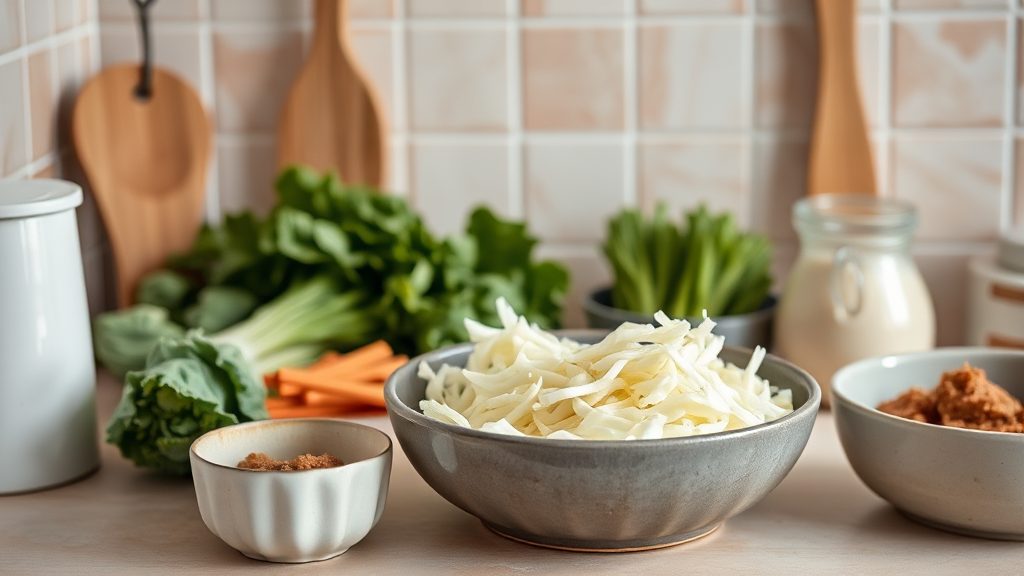
If you’re looking to expand your side dish repertoire, Korean cabbage recipes offer some of the most satisfying, flavor-packed options you’ll find. Known as baechu banchan in Korean, these cabbage side dishes range from quick stir-fries to tangy pickles, and they’re staples on Korean tables for good reason—they’re incredibly versatile, budget-friendly, and pair beautifully with rice and protein dishes. Whether you’re meal prepping for the week or need a quick vegetable side for tonight’s dinner, these Korean cabbage side dish recipes will quickly become your go-to options.
Korean cuisine has perfected the art of transforming humble cabbage into something extraordinary. Unlike the boiled or raw cabbage you might be used to, these baechu banchan techniques bring out incredible depth through fermentation, seasoning, and quick cooking methods. The best part? Most of these recipes take less than 30 minutes from start to finish, and many actually improve in flavor after a day or two in the refrigerator. Let’s explore some essential Korean cabbage recipes that will elevate your home cooking in 2026.
Quick Stir-Fried Korean Cabbage (Baechu Bokkeum)
Baechu bokkeum is perhaps the fastest way to prepare Korean cabbage recipes, taking only about 10 minutes from cutting board to table. This stir-fried cabbage dish features a savory-sweet glaze that caramelizes slightly during cooking, creating those crispy edges that contrast beautifully with the tender interior leaves. It’s the perfect side dish when you need something green and nutritious but don’t have much time.
For this recipe, you’ll need half a medium napa cabbage (about 1 pound), 2 tablespoons of vegetable oil, 3 cloves of minced garlic, 1 tablespoon of soy sauce, 1 teaspoon of sesame oil, 1 teaspoon of sugar, and toasted sesame seeds for garnish. Start by cutting the cabbage into roughly 2-inch squares, separating the thick white parts from the leafy green sections since they cook at different rates.
Heat your wok or large skillet over high heat until it’s smoking hot—this is crucial for achieving that slightly charred flavor called “wok hei” in Chinese cooking, which Koreans also appreciate in stir-fried dishes. Add the oil and immediately toss in the garlic, stirring for just 10 seconds until fragrant. Add the thicker white cabbage pieces first and stir-fry for 2 minutes, then add the leafy parts and cook for another 2-3 minutes until everything is tender-crisp. Mix the soy sauce, sesame oil, and sugar together, pour over the cabbage, and toss everything for a final minute until the sauce coats every piece. Finish with sesame seeds and serve immediately.
This dish is best enjoyed fresh but will keep in an airtight container for up to 3 days. Reheat it in a hot skillet rather than the microwave to restore some of that crispy texture. You can also customize it by adding a pinch of gochugaru (Korean red pepper flakes) for heat or a splash of rice vinegar for extra tanginess.
Seasoned Korean Cabbage Salad (Baechu Geotjeori)
Baechu geotjeori is essentially fresh kimchi—a cabbage recipes Korean cooks make when they want kimchi flavor without the fermentation wait. This seasoned cabbage salad is refreshing, spicy, and tangy, with a crisp texture that provides the perfect counterpoint to rich, fatty dishes like samgyeopsal (grilled pork belly) or fried chicken. Unlike traditional kimchi that ferments for days or weeks, geotjeori is ready to eat within an hour and tastes best within 2-3 days.
You’ll need one medium napa cabbage (about 2 pounds), 3 tablespoons of coarse sea salt, 4 tablespoons of gochugaru, 2 tablespoons of fish sauce, 1 tablespoon of sugar, 6 cloves of minced garlic, 1 tablespoon of minced ginger, 4 green onions cut into 2-inch pieces, and optional additions like julienned carrot or Korean radish for extra crunch and color.
Cut the cabbage lengthwise into quarters, then chop crosswise into bite-sized pieces about 1.5 inches wide. Place the cabbage in a large bowl and sprinkle with the salt, tossing gently to distribute evenly. Let it sit for 30 minutes—this salting process draws out excess water and softens the cabbage slightly while maintaining its crisp texture. After 30 minutes, rinse the cabbage thoroughly under cold water three times to remove the salt, then drain well in a colander for 10 minutes. Excess water will dilute your seasonings, so squeeze the cabbage gently to remove as much moisture as possible.
In a separate bowl, mix the gochugaru, fish sauce, sugar, garlic, and ginger into a thick paste. Add the drained cabbage and green onions, then use your hands (wearing gloves to protect from the spicy pepper) to massage the seasoning into every piece of cabbage. The mixture should coat everything evenly with a vibrant red color. Let it sit at room temperature for 30 minutes to allow the flavors to meld, then refrigerate. This baechu banchan reaches peak flavor after about 4-6 hours in the refrigerator and will keep for up to a week, though the texture is best within the first 3 days.
Quick Pickled Cabbage Wraps (Yangbaechu Jangajji)
While napa cabbage gets most of the attention in Korean cooking, green cabbage also plays an important role, especially in quick pickles called jangajji. These pickled cabbage leaves are traditionally used as wraps for ssam (lettuce wrap meals), but they’re equally delicious eaten straight from the jar as a tangy side dish. The pickling liquid in this recipe creates a perfect balance of salty, sweet, and sour that transforms ordinary green cabbage into something addictively crunchy.
For this Korean cabbage side dish, gather one medium green cabbage (about 2 pounds), 2 cups of water, 1 cup of rice vinegar, 1/2 cup of soy sauce, 1/3 cup of sugar, 4 cloves of garlic (sliced), 1 small onion (sliced), 1-2 fresh red chili peppers (sliced), and a 2-inch piece of ginger (sliced). If you enjoy exploring Korean food traditions, you’ll find that different regions use varying ratios of vinegar to soy sauce depending on whether they prefer a tangier or saltier pickle.
Remove any damaged outer leaves from the cabbage and cut it into quarters, removing the core. Separate the leaves—you want them whole or in large pieces for wrapping. Bring a large pot of water to boil and blanch the cabbage leaves in batches for just 30 seconds until they’re slightly wilted but still have plenty of crunch. Immediately transfer them to an ice bath to stop the cooking process and preserve the bright green color. Drain thoroughly and pack the leaves into a large glass jar or food-safe container.
In a saucepan, combine the water, rice vinegar, soy sauce, sugar, garlic, onion, chili peppers, and ginger. Bring to a boil, stirring until the sugar completely dissolves, then remove from heat and let it cool to room temperature. Pour the cooled pickling liquid over the cabbage leaves, making sure they’re completely submerged. Cover and refrigerate for at least 24 hours before eating—48 hours is even better. These pickled cabbage wraps will keep in the refrigerator for up to 3 weeks, and the flavor continues to develop over time.
What Makes Korean Cabbage Soup Different from Other Cabbage Soups?
Korean cabbage soup, called baechu guk, differs from Western cabbage soups primarily in its clear, light broth base made with anchovy or beef stock rather than cream or tomato. The soup emphasizes the natural sweetness of the cabbage with minimal seasoning—typically just garlic, soy sauce, and sesame oil—creating a clean, refreshing taste that serves as a palate cleanser between richer dishes. This makes it ideal for everyday meals rather than a heavy, standalone dish.
To make this comforting soup, you’ll need half a medium napa cabbage (about 1 pound), 6 cups of anchovy or beef stock, 4 cloves of minced garlic, 2 tablespoons of soup soy sauce (guk ganjang), 1 tablespoon of sesame oil, 1/2 teaspoon of salt, 2 green onions (chopped), and optional additions like tofu cubes, sliced mushrooms, or beaten egg for protein.
Cut the cabbage into roughly 2-inch squares, keeping the white and green parts together this time since longer cooking will tenderize everything evenly. In a large pot, bring your stock to a boil and add the garlic. Once fragrant (about 30 seconds), add the cabbage and cook for 5-7 minutes until the leaves are tender but not mushy—you want them to retain some texture. Season with the soup soy sauce and salt, adjusting to taste. Just before serving, stir in the sesame oil and green onions. The sesame oil added at the end provides a finishing fragrance that would be lost if added during cooking.
This soup is incredibly forgiving and actually improves overnight as the flavors meld. Store it in the refrigerator for up to 5 days, and reheat gently on the stovetop. Many Korean families make a large batch on Sunday and enjoy it throughout the week as part of their meal prep routine. The clear broth also makes it a popular choice for those recovering from illness or looking for lighter fare.
Creamy Korean Cabbage with Sesame Dressing
This modern take on cabbage recipes Korean-style features a rich, nutty sesame dressing that’s become increasingly popular in Korean homes and restaurants in 2026. Unlike the spicy or pickled versions, this preparation offers a milder, almost indulgent flavor profile that appeals to those who might be new to Korean cuisine or prefer less heat. The creamy sesame dressing clings to the cabbage in a way that transforms it into something reminiscent of a premium coleslaw but with distinctly Korean flavors.
For this recipe, you’ll need half a medium napa cabbage (about 1 pound), 3 tablespoons of toasted sesame seeds, 2 tablespoons of mayonnaise, 1 tablespoon of rice vinegar, 1 tablespoon of soy sauce, 1 teaspoon of sugar, 1 teaspoon of sesame oil, and 1 clove of minced garlic. Some cooks also add a tablespoon of gochujang for a spicy-creamy variation that bridges traditional and modern Korean flavors.
Slice the cabbage into thin ribbons about 1/4 inch wide—thinner than you would for other preparations. Place the ribbons in ice water for 15 minutes to crisp them up, then drain thoroughly and pat dry with paper towels or a clean kitchen towel. This extra step makes a significant difference in the final texture, creating that satisfying crunch that contrasts beautifully with the creamy dressing.
Using a mortar and pestle or a food processor, grind the toasted sesame seeds until they’re partially broken down—you want some texture remaining rather than a completely smooth paste. Mix the ground sesame seeds with the mayonnaise, rice vinegar, soy sauce, sugar, sesame oil, and garlic until you have a thick, creamy dressing. Just before serving, toss the cabbage with the dressing until every piece is evenly coated. This dish is best eaten immediately after dressing, as the salt in the dressing will eventually draw moisture from the cabbage and make it soggy. However, you can prepare the dressing up to 3 days in advance and keep it refrigerated, then toss with freshly prepared cabbage whenever you’re ready to serve.
Storage and Meal Prep Tips for Korean Cabbage Banchan
One of the greatest advantages of Korean cabbage recipes is their excellent keeping quality, which makes them ideal for meal prep. Most baechu banchan actually improve in flavor after a day or two as the seasonings penetrate the cabbage more deeply. Understanding proper storage techniques will help you maintain the best texture and taste throughout the week.
For stir-fried cabbage dishes, store them in airtight glass or plastic containers in the refrigerator for up to 3 days. While you can eat them cold, reheating in a hot skillet for 1-2 minutes revives much of the original texture. Avoid microwaving if possible, as it tends to make the cabbage soggy rather than crisp. If you’re meal prepping for several days, slightly undercook the cabbage on the first day so reheating doesn’t turn it mushy.
Seasoned and pickled cabbage varieties keep longer—usually 5-7 days for geotjeori and up to 3 weeks for pickled cabbage wraps. Always use clean utensils when serving to prevent introducing bacteria that could shorten shelf life. These preparations actually benefit from some refrigerator time, so consider making them 1-2 days before you plan to serve them. The flavors will be more developed and harmonious than when freshly made.
Korean cabbage soup stores beautifully for up to 5 days in the refrigerator and can even be frozen for up to 3 months. If freezing, slightly undercook the cabbage so it doesn’t become too soft when reheated. Reheat frozen soup gently on the stovetop rather than microwaving at full power, which can cause uneven heating. Many people portion soup into individual containers for grab-and-go lunches.
When meal prepping multiple banchan for the week, consider variety in your selections. Having both a spicy option (like geotjeori) and a mild one (like sesame cabbage) gives you flexibility in pairing them with different main dishes. If you’re interested in building a complete Korean meal prep routine, check out more Korean cooking resources that complement these cabbage side dishes perfectly.
Bringing Korean Cabbage Dishes into Your Regular Rotation
These Korean cabbage recipes represent just a fraction of what you can do with this versatile vegetable, but they’re some of the most essential and frequently prepared dishes in Korean households. What makes baechu banchan so valuable in your cooking repertoire isn’t just their delicious flavor—it’s their practicality. They’re budget-friendly, store well, pair with virtually any protein or grain, and provide nutritious vegetables in formats that even picky eaters often enjoy.
As you become comfortable with these basic preparations, you’ll start to see how the techniques apply to other vegetables as well. The stir-frying method works beautifully with bok choy or Swiss chard. The pickling technique can transform cucumbers, radishes, or carrots. The seasoning approach used in geotjeori translates well to other leafy greens. Korean cooking is all about building a foundation of techniques and flavor profiles that you can adapt endlessly.
Start with whichever recipe appeals most to your taste preferences and current cooking confidence level. The quick stir-fry is perfect for beginners, while the pickled cabbage wraps might appeal more to those who enjoy planning ahead and having ready-to-eat options in the refrigerator. Don’t worry about achieving perfection on your first attempt—Korean home cooking is meant to be intuitive and adaptable to what you have available. Many Korean families have their own variations on these classics, tweaking the seasonings and techniques based on personal preference and regional traditions.
Whether you’re building your skills in Korean culture and language or simply love discovering new vegetable preparations, these cabbage side dishes will serve you well for years to come. They embody what makes Korean cuisine so appealing: bold yet balanced flavors, simple ingredients transformed through technique, and dishes that nourish both body and spirit. Keep a cabbage in your refrigerator, and you’ll always be 15 minutes away from a satisfying, authentic Korean side dish that turns any meal into something special.