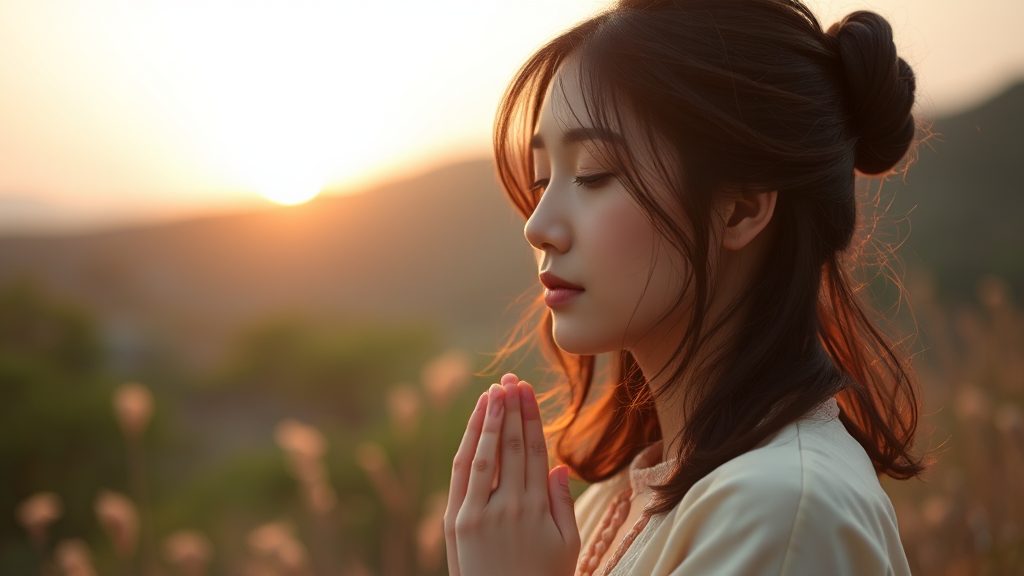
If you’ve ever witnessed the fervor and dedication of Korean believers gathered in early morning prayer, you know there’s something profoundly moving about their spiritual discipline. A Korean Christian prayer practice isn’t just about reciting words—it’s a holistic approach to communion with God that has shaped one of the world’s most vibrant Christian communities. Whether you have Korean heritage yourself or simply want to deepen your prayer life by learning from this rich tradition, developing a meaningful Korean-style prayer habit can transform your relationship with God in 2026 and beyond.
Korean Christianity has experienced remarkable growth over the past century, and at the heart of this movement lies a distinctive approach to prayer that emphasizes persistence, emotional authenticity, and communal worship. This isn’t about adopting cultural practices for their own sake—it’s about discovering time-tested methods that can revitalize any believer’s spiritual walk, regardless of background.
Understanding the Foundation of Korean Christian Prayer
Korean Christianity developed its unique character through a combination of indigenous spiritual earnestness and Western missionary influence beginning in the late 1800s. What emerged was a korean christian prayer practice that emphasizes several distinctive elements: early morning prayer meetings (새벽기도회, saebyeok gidohoe), extended periods of fervent intercession, and a willingness to pray aloud simultaneously in groups—a practice that can seem unusual to those from quieter prayer traditions.
The theological foundation remains firmly biblical, but the expression carries cultural DNA that values dedication, sacrifice, and emotional transparency before God. Korean believers often speak of “wrestling with God” in prayer, echoing Jacob’s all-night struggle in Genesis 32. This isn’t passive meditation or quiet contemplation alone—though those have their place—but an active, engaged dialogue with the Divine that mobilizes both heart and voice.
One of the most striking elements is the concept of “통성기도” (tongseong gido), or unified voiced prayer. In this practice, an entire congregation prays aloud simultaneously, each person addressing God with their own concerns and praises. To outsiders, it might sound chaotic, but participants describe experiencing a profound sense of corporate unity and spiritual intensity. The collective sound creates an atmosphere of urgency and sincerity that many find deeply moving.
If you’re interested in exploring how faith practices intersect with Korean culture, you’ll find that prayer serves as a cornerstone that connects daily life with spiritual devotion in uniquely powerful ways.
The Practice of Early Morning Prayer
Perhaps no single element defines the korean christian prayer practice more than the tradition of dawn prayer meetings. In Korea, it’s common for churches to hold daily prayer services at 5:00 or 5:30 AM, with faithful members gathering in the pre-dawn darkness to seek God before beginning their day. Some churches have maintained this practice every single day for decades, and attendance often swells to hundreds even on weekdays.
The biblical precedent comes from verses like Mark 1:35, where Jesus “rose very early in the morning, while it was still dark” to pray in a solitary place. Korean believers take this example seriously, viewing the early morning as the most precious time to offer God—a sacrifice of comfort and sleep that demonstrates genuine devotion. There’s also a practical element: morning prayer sets the spiritual tone for the entire day ahead.
To start your own early morning prayer habit in 2026, you don’t need to leap immediately to 5:00 AM daily commitments. Begin by designating two or three mornings per week for earlier-than-usual prayer. Set your alarm 30-45 minutes before your normal wake time. Keep your prayer space simple—a quiet corner, a Bible, perhaps a prayer journal. The key is consistency rather than perfection.
Structure your time with intentionality. Korean dawn prayers typically include worship songs or hymns, Scripture reading, confession, intercession for others, and personal petitions. The entire service might last 45 minutes to an hour. For individual practice, even 20-30 minutes of focused morning prayer can be transformative. Many practitioners report that this discipline, though difficult initially, becomes one of the most cherished parts of their day.
What Makes Korean Prayer Different from Western Prayer Traditions?
Korean prayer practices differ from many Western approaches primarily in their emotional intensity, vocal expression, and emphasis on perseverance through extended prayer times. While Western evangelical prayer often values articulate, well-composed prayers, Korean prayer culture embraces passionate, sometimes repetitive crying out to God with raw honesty.
The differences aren’t theological but stylistic and cultural. Korean believers are more comfortable with extended periods of intercession—prayer meetings lasting two, three, or even more hours aren’t unusual. There’s less concern about eloquence and more emphasis on sincerity and persistence.
Another distinctive element is prayer posture. While sitting or standing with bowed heads is common in the West, Korean Christians frequently kneel for extended periods, sometimes even prostrating themselves fully as a posture of humility and earnest petition. This physical dimension reinforces the spiritual reality that prayer is serious business, not casual conversation.
Developing Your Own Korean-Inspired Prayer Habits
You don’t need to be Korean or attend a Korean church to benefit from these spiritual disciplines. The principles underlying this faith practice can enrich any Christian’s prayer life. Here’s how to begin integrating these elements into your daily routine in ways that feel authentic rather than appropriative.
Start by extending your prayer times gradually. If you currently pray for five minutes daily, try expanding to fifteen or twenty. Korean prayer culture teaches that breakthrough often comes through persistence—not necessarily because God needs convincing, but because our hearts need aligning with His will. The extended time allows surface concerns to give way to deeper spiritual matters.
Incorporate vocal prayer into your practice. If you’re accustomed to silent prayer, speaking your prayers aloud (even when alone) can increase engagement and focus. There’s something about hearing your own voice address God that makes the conversation more tangible and less prone to wandering thoughts. You don’t need to shout—though Korean believers certainly do at times—but vocalization itself changes the prayer dynamic.
Create a prayer list focused on intercession for others. Korean Christians are legendary for their intercessory prayer, maintaining detailed lists of people, ministries, nations, and causes they regularly lift before God. This moves prayer beyond personal concerns to Kingdom priorities. Your list might include family members, neighbors, government leaders, missionaries, or social issues. Dedicate specific days to different categories.
Consider occasional extended prayer sessions. Once a month or quarter, set aside a Saturday morning or afternoon for a two or three-hour prayer retreat. This might feel impossibly long initially, but structure helps: alternate between worship music, Scripture meditation, written prayers, vocal intercession, and silent listening. These extended sessions often yield spiritual insights that rushed daily prayers cannot.
Those interested in deepening their understanding of Korean culture more broadly might also explore Korean learning resources to better appreciate the language and worldview that shapes these spiritual expressions.
Incorporating Traditional Elements into Modern Practice
As you develop your korean christian prayer practice, you’ll want to balance traditional elements with contemporary realities. Most people in 2026 can’t attend daily 5 AM church services, but you can capture the spirit of this tradition in adapted forms.
Consider establishing a prayer partnership or small group committed to regular prayer meetings. Korean Christianity thrives on communal prayer, and having others who share your commitment creates accountability and encouragement. Your group might meet weekly rather than daily, perhaps on Saturday mornings or Sunday evenings, dedicating the time specifically to intercession rather than Bible study or fellowship.
When praying together, experiment with the tongseong gido style of simultaneous vocal prayer. Agree on a prayer focus—a specific person, situation, or need—then spend five or ten minutes with everyone praying aloud at once. This takes getting used to, but many find it liberating to pray without self-consciousness about how they sound or what others think.
Fasting often accompanies serious prayer in Korean spiritual practice. While extended fasts require wisdom and sometimes medical guidance, incorporating occasional fasting—whether from food, social media, entertainment, or other comforts—can sharpen spiritual focus and demonstrate to yourself that your seeking God matters more than physical comfort. Always approach fasting sensibly, starting with shorter periods and staying hydrated.
Create a dedicated prayer space in your home. It need not be elaborate—a corner with a cushion for kneeling, a candle, your Bible, and a notebook suffices. Korean believers often establish “prayer closets” based on Matthew 6:6, physical spaces designated solely for communion with God. Having a specific location reinforces the habit and signals to your mind that this space means focused spiritual attention.
Sustaining Long-Term Spiritual Growth Through Prayer
The true test of any faith practice isn’t initial enthusiasm but sustainable transformation. Korean Christianity’s remarkable vitality stems not from temporary revival fervor but from generations maintaining these prayer disciplines through changing circumstances. As you establish your own prayer habits inspired by this tradition, think in terms of lifelong spiritual growth rather than short-term projects.
Track your prayer journey in a journal. Note what you prayed for, Scripture passages that spoke to you, insights received, and answers observed. Over months and years, this record becomes a testimony of God’s faithfulness and your own spiritual development. Korean believers often maintain prayer diaries spanning decades, creating powerful documentation of their walk with God.
Be patient with yourself during dry seasons. Even the most dedicated Korean prayer warriors experience times when prayer feels difficult or heaven seems silent. These wilderness periods are normal in any authentic spiritual life. The discipline developed through consistent practice carries you through when feelings fail. Continue showing up for prayer even when you don’t feel particularly inspired—this is where true spiritual maturity develops.
Adjust your practice as life circumstances change. New parents can’t maintain the same schedule as single adults. Career demands shift. Health issues arise. The goal isn’t rigid adherence to a specific formula but faithful maintenance of connection with God through whatever means your current season allows. Korean Christianity demonstrates this flexibility—churches offer dawn prayer for early risers and evening prayer for shift workers, ensuring everyone has access to corporate intercession.
Remember that authentic spiritual growth manifests not just in prayer closets but in daily life. Korean believers emphasize that genuine prayer produces transformed character—increased patience, deeper compassion, greater courage to witness, and stronger resistance to temptation. If your prayer practice doesn’t gradually reshape how you live, something needs recalibration. Prayer isn’t escapism but engagement with divine power that then flows into human relationships and responsibilities.
For those seeking additional inspiration for their faith journey, the blog archives offer various reflections on integrating spiritual practices into contemporary life.
Moving Forward with Your Prayer Practice
Starting a korean christian prayer practice in 2026 doesn’t require moving to Seoul or completely abandoning your current spiritual rhythms. It means thoughtfully incorporating proven elements from a vibrant prayer tradition into your own relationship with God. The early morning discipline teaches sacrifice and prioritization. Extended prayer times develop perseverance and depth. Vocal, passionate intercession engages your whole person in divine conversation. Communal prayer bonds you to other believers in shared spiritual purpose.
Begin this week with one concrete step: set your alarm thirty minutes earlier tomorrow and spend that time in focused prayer. Don’t worry about perfecting the practice immediately. Simply show up consistently, bringing your authentic self before God with increasing intentionality. The Korean prayer tradition reminds us that God honors persistent, heartfelt seeking above polished religiosity.
As you develop this discipline, you’ll likely discover what countless Korean believers have experienced: that prayer isn’t merely religious obligation but genuine encounter with the living God. When you invest time and energy into this relationship, you find that God meets you there with presence, guidance, comfort, and transformation. That’s the ultimate goal of any prayer practice—not mastering techniques but knowing the One to whom we pray. Start where you are, use what you can learn from this rich tradition, and trust that your faithful seeking will be honored and rewarded.