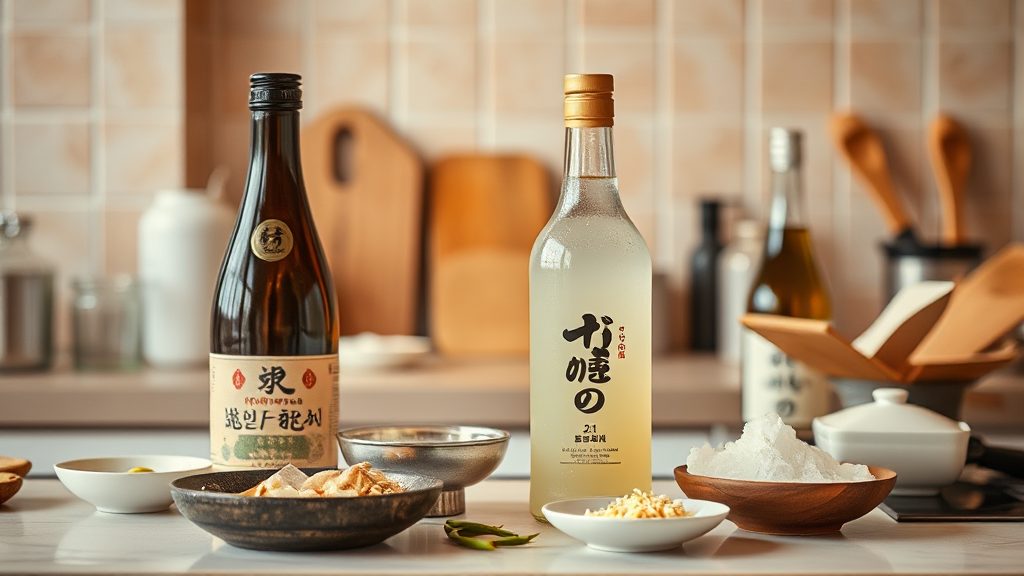
If you’ve ever been curious about the bottles lining the shelves of Korean markets or the drinks poured at Korean restaurants, you’re about to discover a world of flavor beyond the familiar green bottles. Korean soju brands have evolved dramatically in 2026, ranging from traditional distilled spirits to fruit-flavored innovations, while makgeolli continues its renaissance as Korea’s ancient rice wine finds new fans worldwide. Whether you’re planning to explore Korean drinking culture firsthand or simply want to understand what makes these spirits special, this guide will walk you through everything you need to know about the most important players in Korea’s alcohol scene.
Understanding Soju: Korea’s National Spirit
Soju holds a special place in Korean culture that goes far beyond simple alcoholic consumption. This clear distilled spirit, traditionally made from rice but now often produced from sweet potatoes, tapioca, or wheat, typically ranges between 16-25% alcohol by volume in 2026. The lower alcohol content compared to vodka or other hard liquors makes soju approachable for extended social drinking sessions, which form the backbone of Korean drinking culture.
The production methods distinguish different soju types significantly. Traditional soju, called “jeungryusoju,” undergoes a single distillation process that preserves more complex flavors and aromatics. These premium varieties can reach 40% ABV or higher and command prices that reflect their artisanal production. Modern diluted soju, the most common type you’ll encounter, is produced through continuous distillation and then diluted with water to achieve lower alcohol percentages. This newer style emerged in the 1960s when rice shortages led producers to experiment with alternative starches, fundamentally changing the soju landscape.
What makes soju truly fascinating in 2026 is the regional pride associated with different brands. Each major city in Korea has historically supported its own local soju brand, creating fierce loyalties and distinct flavor profiles that reflect local water sources and production traditions. When you taste soju from Andong versus soju from Jeju Island, you’re experiencing centuries of regional identity distilled into each bottle.
Major Korean Soju Brands You Should Know
The landscape of korean soju brands in 2026 offers remarkable diversity, from mass-market favorites to premium craft distilleries. Jinro remains the undisputed market leader, producing Chamisul (meaning “dew” in Korean), which consistently ranks as one of the world’s best-selling spirits. The Chamisul Fresh variety, with its characteristic green bottle and smooth finish at 17.8% ABV, has become synonymous with soju for many international consumers. Jinro has expanded its line to include Chamisul Original at 20.1% ABV for those preferring stronger flavors.
Lotte Liquor’s Chum Churum presents itself as a smoother alternative, filtered through bamboo charcoal to reduce harshness. At 17% ABV, it appeals to drinkers who find traditional soju too intense. The brand’s marketing emphasizes its gentler character, making it particularly popular among younger consumers and those new to soju. Meanwhile, Bohae Brewery’s Bohae commands loyalty in the Jeolla region, where locals insist its slightly sweeter profile perfectly complements the area’s rich cuisine.
For premium experiences, Andong Soju represents the pinnacle of traditional distillation. This 45% ABV spirit from the Gyeongsang region maintains production methods dating back centuries, using only rice and nuruk (traditional fermentation starter). The result delivers complex nutty and floral notes that bear little resemblance to diluted commercial soju. Similarly, Hwayo produces ultra-premium soju at 17%, 25%, and 41% ABV levels, using only domestically grown rice and alkaline water from 250 meters underground. Their 41% variety has won international spirits competitions, proving that soju can compete with the world’s finest distilled beverages.
The fruit-flavored soju category has exploded in popularity since 2020, and by 2026, every major producer offers multiple fruit varieties. Jinro’s plum, grapefruit, and strawberry flavors sit at around 13% ABV, creating lighter drinks that appeal to consumers who might otherwise avoid spirits. These flavored varieties have opened soju to entirely new demographics, though purists sometimes debate whether they should even carry the soju name. If you’re exploring Korean food culture, you’ll find these lighter soju options increasingly paired with meals rather than reserved exclusively for after-dinner drinking.
What Makes Makgeolli Different from Other Rice Wines?
Makgeolli stands apart from Japanese sake or Chinese rice wines through its unique unfiltered, cloudy appearance and slightly effervescent character. This traditional Korean rice wine undergoes only partial straining, leaving beneficial yeast and rice particles suspended in the liquid, creating its signature milky-white color and naturally sparkling texture. At 6-9% ABV, makgeolli rice wine offers a gentle alcoholic experience accompanied by slightly sweet, tangy, and sometimes nutty flavors.
The fermentation process involves steamed rice, water, and nuruk, which contains wild yeasts and enzymes that convert starches to sugars and then to alcohol. Traditional makgeolli production allows these microorganisms to work their magic over 7-10 days, creating complex flavor profiles that commercial varieties struggle to replicate. The living cultures in unpasteurized makgeolli continue fermenting even after bottling, which is why you’ll notice bottles with one-way valves to release carbon dioxide pressure in 2026.
Notable Makgeolli Brands and Styles
The makgeolli market has transformed dramatically as younger consumers rediscover this traditional beverage. Seoul Makgeolli (also called Seoul Jangsoo) dominates the commercial market with its consistent quality and nationwide distribution. This pasteurized version maintains a 6% ABV and gentle sweetness that appeals to first-time drinkers, though connoisseurs sometimes criticize its simplified flavor profile compared to craft alternatives.
Kooksoondang’s makgeolli line has earned respect for balancing accessibility with quality. Their classic variety delivers clean rice flavors with subtle sweetness, while their fruit-infused versions—particularly the banana and peach varieties—have attracted international attention. The company’s investment in modern production facilities while respecting traditional fermentation timelines has paid dividends in consistent quality across millions of bottles annually.
Craft makgeolli producers have flourished in 2026, with small breweries across Korea experimenting with heirloom rice varieties, extended fermentation periods, and creative additions like chestnuts, pine nuts, or flowers. Jipyeong Makgeolli from Yangpyeong uses local rice and mountain spring water to create an unpasteurized product that must be consumed within weeks of production. The living cultures produce a pronounced fizz and complex, earthy flavors that transport you to traditional Korean farming villages with each sip.
Busan’s Galmegi Brewing represents the new wave of makgeolli makers who approach the beverage with craft beer sensibilities. They release seasonal varieties, collaborate with local farms for specialty ingredients, and aren’t afraid to push boundaries—their chocolate makgeolli might sound unusual, but it demonstrates how traditional forms can evolve while respecting their roots. These innovative producers have made makgeolli rice wine trendy again among Seoul’s young professionals, who gather at specialized makgeolli bars serving dozens of varieties.
How Does Korean Drinking Culture Shape Consumption Rituals?
Korean drinking culture encompasses elaborate etiquette and social rituals that transform alcohol consumption into meaningful bonding experiences. The act of pouring drinks for others rather than yourself demonstrates respect and builds relationships, with specific rules governing how you pour and receive based on age and social hierarchy. When receiving a drink from someone older, you’ll turn slightly away and use both hands to hold your glass, showing deference through body language.
The concept of “cha” (rounds) structures Korean drinking sessions into distinct phases, each potentially at a different venue. A typical night might begin with dinner and soju at a restaurant, move to a second location for beer and fried chicken, then continue to a noraebang (singing room) for more drinks and entertainment. This progression encourages sustained social interaction rather than rapid intoxication, though the cumulative effect across multiple rounds certainly builds. Understanding these patterns helps you appreciate why soju’s moderate alcohol content makes practical sense—it allows participants to maintain conversation and connection throughout extended evenings.
The “one shot” culture, where participants empty their glasses simultaneously after a toast, creates moments of collective experience that strengthen group bonds. While this practice can escalate consumption quickly, it serves important social functions in a culture that values group harmony and shared experiences. The Korean concept of “jeong”—a deep emotional connection—often develops through these shared drinking experiences, which is why business relationships, friendships, and even romantic connections frequently develop around soju bottles.
Modern Korean drinking culture in 2026 has evolved to accommodate changing social attitudes, with less pressure for excessive consumption than in previous decades. Many younger Koreans now openly decline drinks without social penalty, and “all-stop” (calling an end to drinking rounds) has become more acceptable. These shifts reflect broader cultural changes while maintaining the core value of drinking as social glue rather than solitary activity. If you’re interested in understanding more about how traditions adapt, exploring Korean cultural experiences can provide valuable context.
Tasting Notes and Food Pairing Recommendations
When you first taste quality soju, expect clean, neutral flavors with subtle sweetness and a warming finish that shouldn’t burn harshly if the product is well-made. Premium traditional soju reveals complexity—you might detect grain flavors, slight fruitiness, or nutty undertones depending on the base ingredient and distillation method. The mouthfeel should be smooth and slightly viscous, coating your palate without overwhelming it.
Soju pairs brilliantly with Korean barbecue, as its clean profile cuts through fatty meats like samgyeopsal (pork belly) or galbi (short ribs). The spirit’s mild sweetness complements savory marinades and sauces, while its alcohol content helps digest rich foods—a practical consideration during multi-course Korean meals. Spicy dishes like kimchi jjigae or tteokbokki find balance with soju’s cooling effect, creating harmonious flavor interactions that explain why certain foods and drinks have paired together for generations.
Makgeolli offers entirely different tasting experiences, with its creamy texture, gentle carbonation, and complex flavor profile combining sweetness, acidity, and subtle bitterness. The rice particles create a satisfying body that makes makgeolli feel more like a liquid meal than a simple beverage. Quality makgeolli should taste fresh and lively, with the carbonation lifting flavors across your palate. Sour or overly yeasty notes might indicate the product has passed its prime, particularly with unpasteurized varieties.
Traditional makgeolli pairings include pajeon (savory pancakes), especially on rainy days when Koreans traditionally enjoy this combination. The wine’s slight sweetness and acidity complement the pancakes’ crispy exterior and soft interior, while cutting through any oiliness from frying. Makgeolli also pairs unexpectedly well with fried chicken, aged cheeses, and even spicy foods, as its low alcohol content and creamy texture soothe heat without overwhelming delicate flavors. These versatile pairing options have helped makgeolli find new audiences beyond its traditional agricultural roots.
Serving temperature significantly affects both soju and makgeolli’s characteristics. Most Koreans prefer soju well-chilled, which smooths its texture and minimizes any alcohol harshness. Some premium traditional soju can be enjoyed at room temperature or even slightly warmed, similar to sake, to reveal additional aromatic complexity. Makgeolli should be served cold and shaken or stirred before pouring to redistribute settled rice particles, ensuring you get the full textural experience with each glass. The effervescence peaks when properly chilled, making the drinking experience more refreshing and engaging.
Building Your Korean Alcohol Knowledge
Exploring korean soju brands and makgeolli varieties offers more than just trying new drinks—it opens windows into Korean history, regional pride, and evolving cultural values. Start your journey with accessible commercial brands like Jinro Chamisul or Kooksoondang makgeolli to establish baseline flavors, then gradually explore premium traditional varieties and craft products to understand the full spectrum of possibilities. Pay attention to how different brands taste alongside various foods, and don’t hesitate to ask questions at Korean restaurants or markets, where staff often possess deep knowledge about their products.
Remember that responsible consumption lies at the heart of truly appreciating these beverages. The rituals and cultural context surrounding Korean alcohol emphasize social connection and moderation over solitary excess. As you develop your palate and understanding, you’ll find that knowing when to stop drinking matters as much as knowing what to drink. The goal isn’t mastering every brand or variety but rather discovering which styles resonate with your preferences while respecting the cultural significance these beverages hold.
Whether you’re preparing for a trip to Korea, shopping at your local Korean market, or simply curious about expanding your alcohol knowledge, the world of Korean spirits and rice wines rewards exploration with diverse flavors and fascinating cultural insights. Each bottle tells stories of regional traditions, innovative producers pushing boundaries, and centuries of fermentation wisdom passed through generations. Pour yourself a glass, gather some friends, and discover why these Korean beverages have captivated drinkers for thousands of years and continue thriving in 2026’s global market. For more insights into Korean culture beyond drinking traditions, explore the full range of cultural topics that make Korea endlessly fascinating.